Introduction
Grid volatility is breaking industrial balance sheets. Between unpredictable demand charges and sudden voltage drops, factory managers face extreme operational risks. Securing a trusted BESS Supplier is no longer just an equipment purchase. It is a vital asset protection strategy. A reliable supplier does not just drop off generic battery boxes. They deliver an engineered system designed to safeguard your production capacity. We provide comprehensive systems that stabilize high-voltage loads and eliminate costly peak utility rates. Let us help you shift from grid dependency to absolute energy control.
What Is a BESS Supplier and What Services Should You Expect?
Navigating the modern power landscape requires more than hardware sourcing. You need an active engineering partner who understands complex grid dynamics.
More Than a Battery Manufacturer: Complete BESS Solution Provider
Many buyers confuse a basic battery energy storage system manufacturer with a true solution provider. A manufacturer simply makes cells. A complete supplier integrates those cells into a functional, turnkey industrial asset. Your supplier must provide fully synchronized components. This includes heavy-duty battery racks, advanced thermal management, and rapid fire protection. They must also deliver smart Power Conversion Systems (PCS) and intelligent energy management software. If a supplier only offers loose components, walk away. You will end up carrying all the integration risk yourself.
BESS Supplier Responsibilities Throughout the Project Lifecycle
An expert BESS system integrator stays with your project from initial design to final utility sign-off. The lifecycle starts with deep load profile modeling. We analyze your factory’s 15-minute interval data to prevent system oversizing. Next comes custom structural and electrical engineering. The supplier must manage precision factory testing, safe transit logistics, and onsite installation support. Finally, a dedicated energy storage solution provider handles grid synchronization. They also provide ongoing remote firmware tuning to keep performance high.
What Technical Advantages Does Your BESS System Provide?
Hardware architecture dictates your financial payback period. Our core technology focuses on safety, efficiency, and smart automation.
Advanced LFP Battery Technology for Long-Term Performance
We build our systems using a premium lithium battery energy storage system platform. Specifically, we utilize Lithium Iron Phosphate (LFP) chemistry. LFP is the global standard for industrial applications. It offers excellent thermal stability and eliminates the risk of explosive thermal runaway. These cells withstand harsh, continuous daily cycling. They routinely deliver over 6,000 to 8,000 cycles before dropping to 80% capacity. LFP contains zero toxic cobalt, making disposal simple and satisfying strict corporate ESG mandates.
Alternative technologies fall short for high-power industrial projects. For instance, flow batteries offer long discharge windows but require huge physical space. They also suffer from low round-trip efficiency. Lead-acid options have low upfront costs but degrade rapidly under heavy daily cycling. LFP remains the most compact, reliable, and financially viable technology available today.
Integrated PCS, BMS, and EMS for Intelligent Energy Management
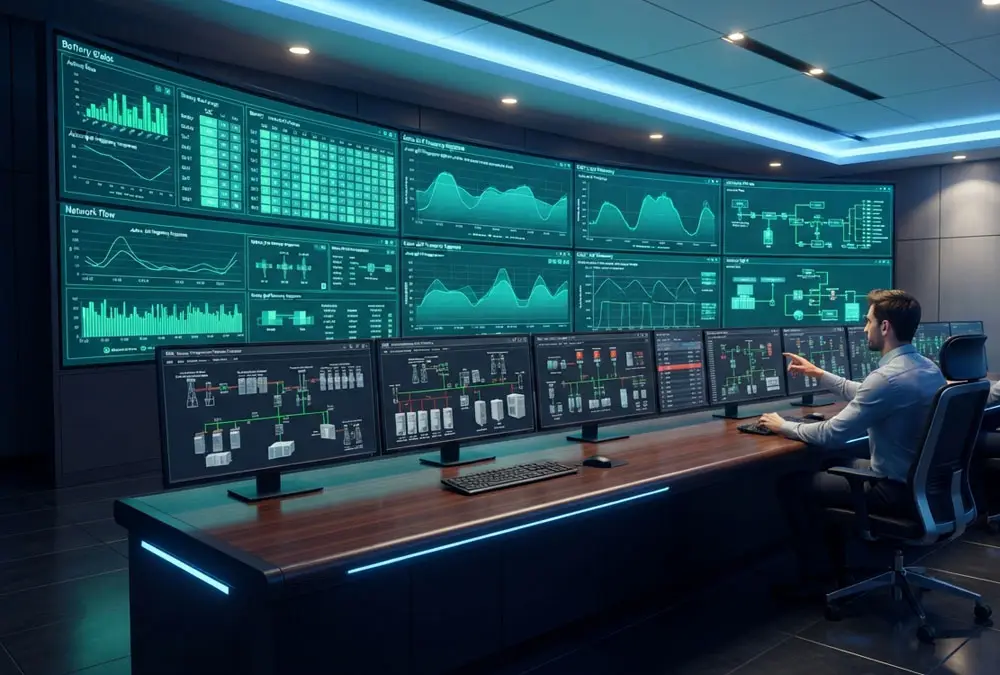
True financial savings happen at the software layer. We operate as a comprehensive BESS supplier with integrated PCS BMS EMS systems. The Power Conversion System (PCS) handles rapid, bidirectional AC-to-DC shifting. The Battery Management System (BMS) works at the cell level. It continuously tracks State of Charge (SoC) and balances cell voltages to prevent localized degradation. The Energy Management System (EMS) acts as the system brain. It automatically tracks utility tariffs and deploys power to maximize financial returns.
How Much Usable Energy Can Your BESS System Deliver?
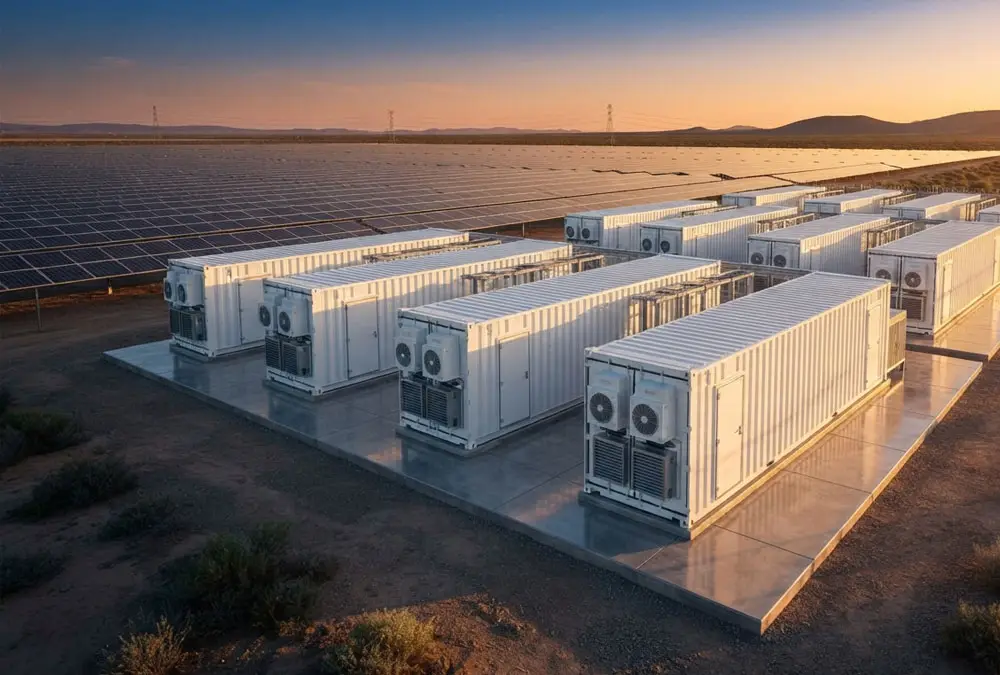
Industrial operations require scalable configurations to match specific demand profiles. We engineer modular, pre-configured outdoor cabinets designed for seamless scaling:
| System Model | Storage Capacity | Power Output | Target Applications | Direct Buyer Benefits |
|---|---|---|---|---|
| ESS-100K | 100 kWh | 50 kW | Small machine shops, precision tools, commercial offices. | Low initial investment. Squeezes into small spaces to quickly eliminate peak demand spikes. |
| ESS-261K | 261 kWh | 125 kW | Medium factories, assembly lines, cold storage hubs. | Excellent cost-per-kilowatt balance. Keeps critical conveyor lines live during short grid outages. |
| ESS-418K | 418 kWh | 200 kW | Heavy fabrication plants, large logistics yards. | Deep energy shifting capacity. Easily handles high-draw equipment and onsite EV fleet charging. |
| ESS-1000M | 1 MWh+ | 500 kW+ | Large industrial parks, chemical processors, mines. | Full industrial microgrid foundation. Delivers complete grid independence and maximizes large solar arrays. |
The Operational Advantage: Selecting the ESS-261K over the base 100K model gives you more than just extra storage. It delivers double the continuous power output. This allows your facility to run high-torque machinery simultaneously without pulling peak power from the utility grid.
How Safe Is Your BESS System?
Safety is the primary hurdle in heavy industrial energy storage procurement. A single failure can pause production for weeks.
Multi-Level Battery Safety Protection Design
We mitigate risks through an aggressive, multi-layered safety architecture. Protection starts at the individual cell level with internal pressure relief vents. At the rack level, smart fuses isolate localized electrical faults instantly. If a single rack exhibits abnormal voltage behavior, the central BMS disconnects it automatically. This prevents faults from spreading while keeping the rest of your system operational.
Thermal Management and Fire Protection System
Industrial operations generate significant thermal stress. We utilize advanced liquid cooling systems to maintain uniform internal temperatures. Keeping cell-to-cell variance below 3°C drastically reduces degradation rates. For fire safety, our outdoor enclosures feature dual-agent suppression systems. They use early aerosol gas detection paired with clean-agent flooding. This combination smothers anomalies long before thermal runaway can develop.
International Certifications and Compliance Standards
Never buy uncertified battery systems. Our complete product lineup holds rigorous international safety certifications. Every system complies with UL 9540A for fire safety and IEC 62619 for industrial LFP cell safety. We also maintain full CE and UN38.3 transit compliance. These certificates streamline local permitting and ensure fast approval from your commercial insurance provider.
How Does a BESS Supplier Execute an Energy Storage Project?
Smooth deployment requires strict engineering milestones. We use a transparent, three-step execution framework.
Step 1 – Site Assessment and Energy Analysis
We start by analyzing your facility’s historical energy data. We review your utility billing structures and physical space constraints. Our engineers also evaluate local grid interconnection rules and existing solar capacities. This upfront data analysis ensures your system is sized perfectly for your specific load demands.
Step 2 – Customized BESS System Design
Next, we build a tailored system configuration. We select the optimal PCS capacity and battery layout for your space. Our engineering team designs the concrete foundation layout and plans the high-voltage cable runs. We focus on creating a compact footprint that integrates seamlessly with your existing electrical room infrastructure.
Step 3 – Manufacturing, Installation and Commissioning
We build your system inside our controlled manufacturing facility. Every cabinet undergoes comprehensive factory testing before shipping. Once onsite, our field technicians oversee mechanical placement and secure the high-voltage connections. We handle the final utility testing and safety programming, handing over a fully operational asset.
How Long Does It Take From Design to Completion?
Typical industrial projects take 16 to 24 weeks from initial layout approval to final commercial operation. Lead times depend on your local utility’s grid connection approvals. Enclosure manufacturing runs parallel to your onsite civil works. This parallel processing minimizes production downtime during final commissioning.
Can a BESS System Meet Peak Energy Demand and Power Requirements?
High-capacity storage systems are specifically engineered to handle the toughest industrial electrical loads.
Peak Shaving and Load Shifting During High Electricity Demand
Many factories pay massive demand charges based on brief consumption spikes. Our systems use advanced peak shaving battery storage configurations to solve this. When high-torque machinery starts up, the battery discharges instantly. This offsets the power spike locally, keeping your grid demand curve flat and lowering your utility costs.
Backup Power for Critical Industrial Operations
Grid outages cost modern manufacturing facilities thousands of dollars per minute. Our systems deliver high-speed backup power during sudden blackouts. The automated transfer switches kick in within milliseconds. This rapid transition protects sensitive PLCs, prevents product loss, and keeps your critical processes running smoothly.
Grid Support and Renewable Energy Integration
Onsite solar is a great asset, but generation drops when clouds pass over. Combining your panels with an industrial battery storage supplier creates a stable microgrid. The battery absorbs excess daytime solar and discharges it smoothly later. This eliminates solar curtailment and ensures your clean energy is used efficiently.
Can the BESS System Be Easily Expanded in the Future?
Your energy strategy must be flexible enough to grow alongside your business.
Modular Design for Flexible Capacity Expansion
We design our systems using a scalable, modular architecture. The internal battery racks slide into place easily. This allows you to scale up capacity without replacing your existing inverters or structural footprints. You can deploy what you need today and expand later as your facility grows.
Scalable Solutions From Small C&I Projects to Utility Applications
We act as a versatile BESS supplier for commercial and industrial energy storage systems. Our hardware scales easily from compact 100kWh setups to multi-megawatt configurations. Whether you manage a single workshop or multiple industrial plants, our systems adapt to your changing energy needs.
What Is the Battery Lifespan and Maintenance Requirement?
Industrial storage units are long-term assets. Maximizing their lifespan requires smart software management and proactive service.
Battery Cycle Life and Performance Degradation
Every battery degrades over time, but proper management slows this process down. Our premium LFP cells maintain high capacity even after years of daily heavy cycling. Our advanced EMS prevents deep over-discharges and limits high-temperature exposure. This careful optimization extends your system’s operational life well past the 15-year mark.
How Many Cycles Can the Battery Complete Before End of Life?
Our industrial battery cells typically deliver 6,000 to 8,000 complete cycles under normal operating conditions. Lifespan depends heavily on charge rates, operating temperatures, and depth of discharge. We configure our software to balance cost savings with long-term cell health.
How Much Maintenance Does a BESS System Require?
Our systems require very little manual maintenance. The cloud-based EMS provides 24/7 remote monitoring and automated alerts. Field teams perform simple, semi-annual checkups. These involve checking coolant fluid levels, cleaning HVAC air intake filters, and inspecting high-voltage cable connections.
What Warranty and After-Sales Services Does a BESS Supplier Provide?
A long-term asset requires strong warranty support and reliable field service.
Battery and Electronic Component Warranty
We provide comprehensive warranty coverage for all our systems. The primary LFP battery modules include a standard 10-year performance warranty. Inverters and structural components are covered by a 5-year replacement warranty. We stand behind our equipment to ensure your investment remains protected over the long haul.
Technical Support and Long-Term Service
Our field support teams remain available long after system commissioning. We provide rapid diagnostic services through our remote monitoring platform. If an anomaly occurs, our team can troubleshoot the software immediately. We also maintain a local stock of spare parts to ensure minimal downtime if hardware needs replacing.
Value-Added Services Beyond Equipment Supply
We do more than just drop off hardware. We provide comprehensive training for your facility’s maintenance staff. Our team also offers regular software optimization updates as local utility rates shift. We focus on keeping your BESS running at peak financial performance year after year.
Why Choose Our BESS Supplier Compared With Other Providers?
We deliver fully integrated energy assets designed to maximize your long-term return on investment.
Complete Battery Energy Storage System Integration Capability
We manage the entire system architecture under one roof. We source, assemble, and test every component ourselves. This complete integration eliminates compatibility issues between third-party components. You get a reliable system managed by a single partner.
Proven Project Experience and Global Delivery Capability
Our hardware runs reliably in demanding industrial environments around the world. We build systems that perform under harsh conditions, from high-temperature manufacturing plants to freezing remote sites. We possess the engineering expertise to execute complex grid-tied energy projects successfully.
Customized Solutions Based on Your Energy Requirements
We do not sell generic, one-size-fits-all battery products. We design systems around your specific load profiles, solar capacities, and business goals. This tailored engineering approach ensures you pay only for the capacity your business actually needs.
Frequently Asked Questions About Choosing a BESS Supplier
What should I ask a BESS supplier before purchasing?
Always ask for verified cell-level fire test data under UL 9540A. Inquire if they handle the complete system integration or rely on third-party software. Make sure they provide clear performance guarantees for their standard warranty period.
How do I choose the right BESS supplier?
Look for a supplier with deep, proven project engineering experience. Avoid vendors who only supply batteries without integrated PCS and EMS controls. A reliable partner should handle the entire lifecycle, from data modeling to grid connection.
What is the difference between a BESS supplier and a battery manufacturer?
A battery manufacturer only builds individual cells or basic modules. A BESS supplier integrates those components into a complete, functioning system. They add the necessary inverters, safety systems, thermal controls, and management software.
How long does a BESS installation project take?
Most commercial and industrial installation projects take 16 to 24 weeks to complete. This timeline includes system engineering, factory manufacturing, transit logistics, and final grid commissioning.
What certifications should a BESS supplier provide?
Your supplier must provide full compliance documentation for UL 9540A fire safety standards and IEC 62619 industrial cell rules. They should also hold standard CE and UN38.3 shipping compliance marks.
Can a BESS system be expanded in the future?
Yes, provided your supplier uses a modular hardware design. Our systems allow you to add extra battery racks into existing enclosures to scale up capacity easily.
How long do lithium battery storage systems last?
High-quality LFP battery systems typically provide 15 to 20 years of reliable daily service. Total lifespan depends on how well the internal climate control and management software protect the cells.
How much maintenance does a BESS require?
The systems run automatically and require minimal manual maintenance. Operations teams simply need to check HVAC air filters and look over coolant loop levels twice a year.
Contact Our BESS Supplier for a Customized Energy Storage Solution
Ready to lower your facility’s peak demand charges and secure reliable backup power? Share your project details with us today. Our application engineering team will design a high-performance BESS layout tailored to your site’s specific load demands.
Request a Free BESS Consultation
Realted Article
- BESS Sizing Calculation Guide: Optimize Industrial Storage ROI
- Top 10 Energy Storage Companies: Global Leaders in Battery Energy Storage Solutions
- Battery Energy Storage for EV Charging: Reduce Costs & Grid Limits
- Battery Storage Cost per kWh: 2026 Pricing & ROI Guide
- Advantages of Battery Energy Storage System (BESS) for Business
- How to Choose: 1MW vs 2MW Battery Storage Cost Comparison & ROI in 2026