Introduction
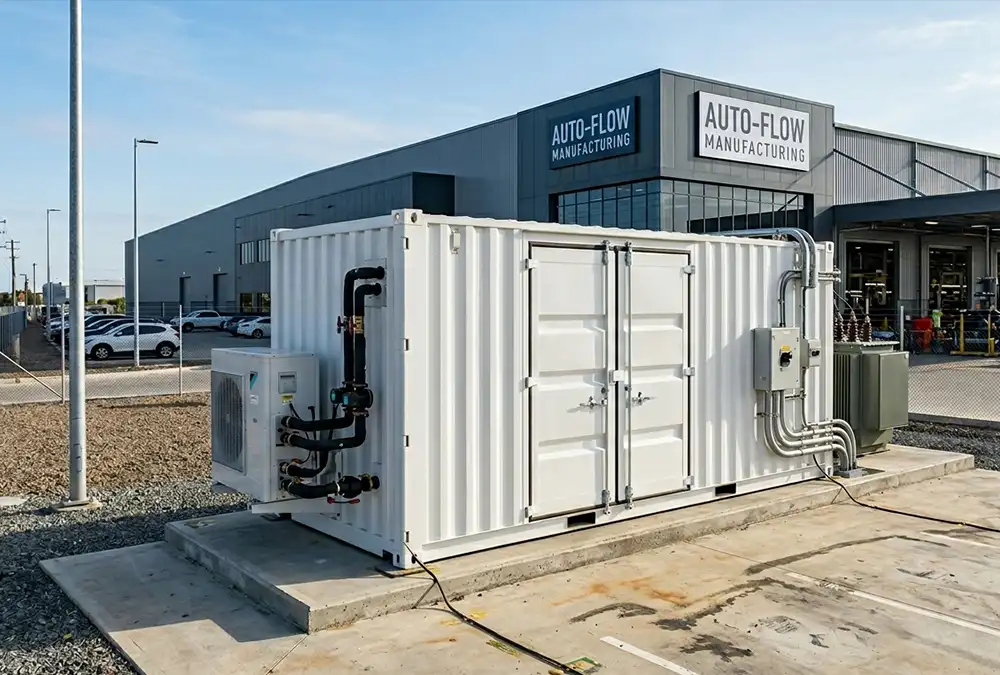
Modern heavy manufacturing demands extreme electrical stability, deep thermal resilience, and highly optimized peak load management. As operations scale up high-power production blocks and run complex automated assembly lines, integrating a dedicated 1MW Battery Storage for Industrial Manufacturing has transformed from an optional sustainability upgrade into a critical cost-control mechanism. Heavy industrial complexes face volatile power markets and steep capacity charges that can decimate thin operational margins. Deploying a factory-ready, containerized energy asset allows facility operators to buffer large equipment startup currents, lower monthly peak demand penalties, and secure continuous power backup without expensive electrical substation overhauls. Achieving these operational improvements requires evaluating how modular power configurations align with factory load profiles, upfront capital outlays, and long-term financial payback metrics.
What Is a 1MW Battery Storage System for Industrial Manufacturing?
Definition of a 1MW Industrial Battery Storage System
A 1MW industrial battery storage system is a specialized, stationary utility-scale power platform engineered to deliver up to 1 Megawatt (1,000 kilowatts) of instantaneous electricity. Functioning as a high-capacity buffer between the localized plant distribution network and the primary high-voltage utility grid, these systems stabilize factory power flows and optimize electricity costs. The power rating measures the speed of energy delivery, while the total runtime depends on the system’s megawatt-hour energy density configuration.
How Battery Energy Storage Supports Manufacturing Operations
During standard factory shifts, heavy-duty machinery—such as large industrial stamping presses, high-temperature induction furnaces, and heavy air compressors—generates sudden power spikes. A stationary battery setup absorbs these severe load fluctuations. By discharging stored power within milliseconds when internal factory demand climbs, the hardware prevents voltage sags, protects automated Programmable Logic Controllers (PLCs) from resetting, and supplies critical current without exceeding utility power allocations.
Typical 1MW Battery Storage Configurations
Industrial storage configurations are engineered around specific duration parameters to match different production shifts:
- 1MW/2MWh: A 2-hour discharge system optimized for handling short, intense equipment startup surges and executing high-speed peak shaving during brief high-tariff windows.
- 1MW/4MWh: A 4-hour energy system that serves as the commercial benchmark for managing prolonged production peaks, supporting deep solar self-consumption, and providing multi-hour facility backup power.
- 1MW/6MWh: A 6-hour long-duration layout designed for continuous microgrid setups, heavy round-the-clock process manufacturing, and complex off-peak energy time-shifting across consecutive shifts.
Why Manufacturing Facilities Are Investing in Energy Storage
Industrial power bills do not just measure total energy consumed; they are heavily influenced by the peak rate of consumption. In addition, global energy reports note that grid reliability issues are rising due to extreme weather and aging transmission networks. Manufacturing plants install decentralized storage to take back control of their electricity supply, insulate operations from grid instability, and protect sophisticated automated production tools from expensive electrical tripouts.
Featured Snippet: What Is a 1MW Battery Storage System for Industrial Manufacturing?
A 1MW battery storage system for industrial manufacturing is a fully integrated, high-capacity energy storage solution that stores electricity during low-cost off-peak hours and discharges it during peak operational times. It helps factories reduce demand charges, insulate heavy machinery from voltage sags, integrate solar arrays, and avoid expensive grid substation upgrades.
Battery Energy Storage System (BESS) Components for Industrial Manufacturing
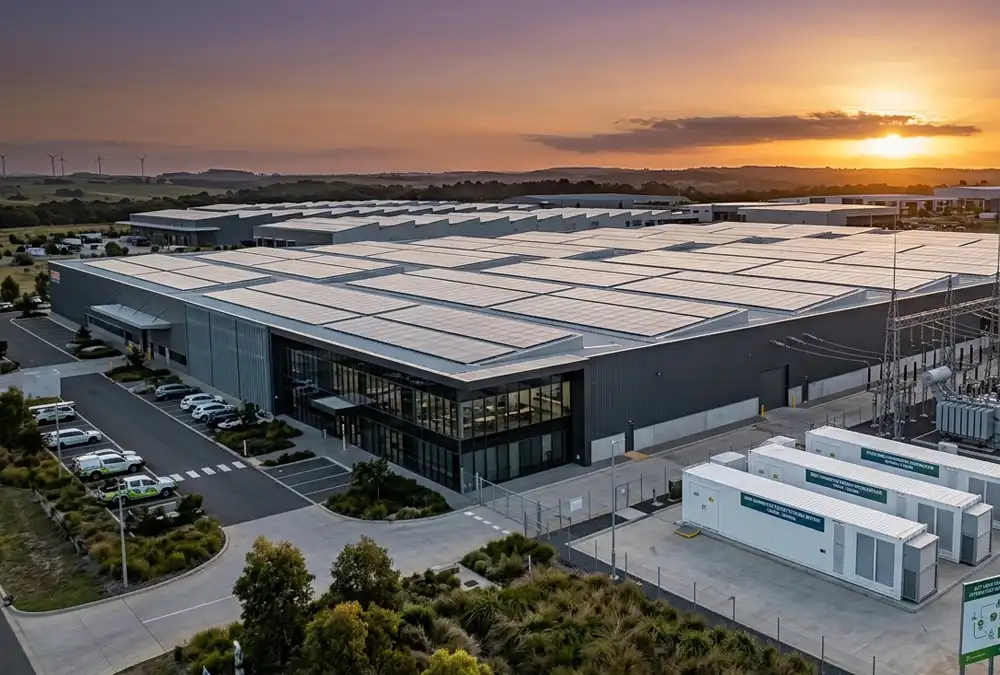
An industrial-grade 1MW Battery Storage for Industrial Manufacturing solution relies on several tightly coordinated subsystems housed within a weatherized enclosure:
Lithium-Ion Battery System
The core storage block utilizes advanced Lithium Iron Phosphate (LFP) chemistry rather than older lead-acid or nickel-cadmium technologies.
LFP represents the industrial benchmark because it offers high thermal stability, zero regular maintenance, and up to 6,000 to 8,000 full charge cycles at deep discharge depths. Alternative technologies, like lead-acid, carry lower upfront equipment costs but degrade rapidly under daily cycling (lasting only 1,500 cycles) and require complex ventilation to handle explosive off-gassing. Advanced alternative chemistries like sodium-ion are entering the market with excellent temperature resilience, but LFP remains the preferred choice due to its proven track record and high energy density.
Battery Management System (BMS)
The BMS is the internal safety controller. Operating down to the individual cell level, it tracks real-time operating temperatures, cell voltages, and states of health, actively balancing internal currents to prevent cell degradation or unsafe operation.
Power Conversion System (PCS)
The PCS houses heavy-duty, bi-directional power inverters that manage power translation. It converts incoming AC grid electricity into high-voltage DC power to charge the battery banks, and instantly inverts DC back into clean AC power when the factory floor demands support.
Energy Management System (EMS)
The EMS is the intelligent software controller that acts as the brain of the project. It monitors plant consumption patterns, analyzes utility tariff structures, and runs real-time automation algorithms to execute the most profitable energy dispatch strategies.
Thermal Management and HVAC Systems
Frequent high-power cycling generates significant heat within the enclosure. Modern systems use closed-loop liquid-cooling plates directly integrated into the battery racks, maintaining cell operating temperatures within a narrow 2°C window to maximize system lifespan.
Fire Protection and Safety Systems
Built to comply with strict international industrial codes, containers feature multi-point gas detection, mechanical deflagration venting panels, and clean-agent gaseous fire suppression systems to manage thermal runaway risks.
Monitoring and SCADA Integration
External communication modules connect the battery system directly to the factory’s primary Supervisory Control and Data Acquisition (SCADA) platform, allowing plant engineering teams to view system health and change operating modes from a central control room.
Commercial and Industrial Energy Storage Applications in Manufacturing Plants
Integrating a modern 1MW Battery Storage for Industrial Manufacturing asset resolves unique operational and power quality challenges across diverse manufacturing lines:
- Automotive Manufacturing: Buffers the intense, localized power surges caused by large robotic spot-welding lines and heavy structural stamping presses, preventing local voltage sags.
- Food and Beverage Processing: Provides reliable power backup to continuous baking ovens, automated bottling lines, and cold-storage refrigeration units, preventing expensive batch spoilage during grid dropouts.
- Electronics Manufacturing: Protects cleanroom air-handling filtration units and ultra-precise semiconductor pick-and-place lines from tiny micro-second power fluctuations that can destroy delicate work-in-progress components.
- Chemical Production Facilities: Ensures critical mixing pumps, cooling loops, and safety exhaust systems stay online, preventing dangerous chemical runaways or costly production line cleanouts.
- Textile Manufacturing: Maintains stable power lines for high-speed automated spinning and weaving machinery, preventing filament breakages that require complex manual thread interventions.
- Metal Processing Plants: Balances the massive grid disruptions caused by high-power electric arc furnaces and rolling mills, keeping the factory floor within utility-approved power quality limits.
Peak Shaving for Industrial Manufacturing Using Battery Storage
What Is Peak Shaving?
Peak shaving is an active operational strategy where a facility deliberately flattens its highest short-term electricity spikes by discharging on-site power reserves, reducing the total load drawn from the primary utility provider.
Why Peak Demand Charges Impact Factories
Utilities charge commercial operations heavily based on their single highest 15-minute consumption spike during the month. These steep demand penalties can represent over 40% of a plant’s total utility bill, even if the plant only draws that high power level once or twice during a busy production shift.
How a 1MW Battery Storage System Reduces Peak Loads
By connecting a 1MW Battery Storage System to the main plant panel, engineers set a clear consumption ceiling (e.g., 600kW). When the factory starts heavy equipment and load demands push toward 1,500kW, the battery instantly discharges the remaining 900kW, preventing the utility meter from registering a new consumption peak.
Peak Shaving Savings Example
If an industrial facility successfully reduces its recorded monthly peak by 800kW in a region with a $20/kW demand tariff, it saves **$16,000 on its utility bill in a single month**, leading to massive annual cost reductions.
Best Manufacturing Processes for Peak Shaving
Facilities with predictable, cyclic energy profiles—such as batch processing operations, scheduled shifts, and high-volume packaging plants—achieve the highest returns from automated peak shaving strategies.
Demand Charge Reduction with Industrial Battery Storage
Achieving consistent Demand Charge Reduction requires matching smart battery discharge controls with the facility’s billing cycle. The EMS software monitors building energy use in real time, saving battery capacity for high-tariff afternoon hours or periods when multiple production lines run simultaneously. This automated load mitigation lowers structural utility expenses without requiring changes to factory production schedules or machine operations.
Load Shifting and Energy Cost Optimization in Manufacturing Facilities
What Is Load Shifting?
Load shifting involves moving energy consumption from high-tariff peak hours to low-tariff off-peak hours, taking advantage of daily pricing variations without changing total energy use.
Off-Peak Energy Storage Strategies
During quiet overnight shifts or weekend lulls, the EMS directs electricity to refill the lithium cells at the lowest possible base utility rates, preparing the system for the next day’s production push.
Time-of-Use (TOU) Tariff Optimization
Industrial utilities apply complex Time-of-Use (TOU) pricing, where peak afternoon electricity can cost up to four times more than overnight power. The storage asset discharges completely during these expensive afternoon hours, shifting the plant’s net consumption to low-cost periods.
EMS-Controlled Energy Dispatch
The control software manages these daily energy shifts automatically, tracking seasonal tariff adjustments and production calendars to ensure the battery operates at maximum financial efficiency.
Maximizing Electricity Cost Savings
Combining peak shaving and daily load shifting allows manufacturing plants to lower both their fixed demand fees and variable energy usage costs, maximizing total utility savings.
Industrial Microgrid Integration with 1MW Battery Storage
For advanced facilities, combining a containerized storage unit with an Industrial Microgrid provides complete energy independence. An industrial microgrid is an independent, localized power network that can decouple from the main utility grid during storms or localized brownouts. Acting as the central coordinator within an independent microgrid, the 1MW system provides the reference voltage to keep solar arrays running safely, stabilizes high-power equipment, and switches the facility to standalone power within milliseconds to keep critical production lines fully operational.
Renewable Energy Integration with Battery Storage for Manufacturing Facilities
Deploying an integrated Commercial Energy Storage System allows factories to unlock the true potential of on-site clean energy installations:
- Solar + Storage for Factories: Storing clean midday solar energy allows plants to run sustainable operations after dark or during high-cost morning startup shifts.
- Wind Energy Integration: Buffers the natural power variations of on-site wind generation, turning fluctuating wind currents into a smooth, stable, and highly predictable electricity supply.
- Self-Consumption Optimization: Prevents selling clean energy back to the utility at low wholesale export rates, keeping the generated power on-site to cover high internal manufacturing loads.
- Reducing Renewable Energy Curtailment: Captures generated solar power that would otherwise be lost when local utilities restrict solar export to protect grid stability.
- Achieving Sustainability Goals: Lowers the facility’s carbon footprint and meets strict corporate ESG mandates by directly substituting fossil-fuel grid electricity with stored on-site clean energy.
1MW Battery Storage Capacity Selection for Manufacturing Plants
Sizing your storage asset requires analyzing your production shifts alongside local utility rate models. The matrix below outlines how these typical configurations align with different manufacturing facilities:
| Technical Layout | Power Rating | Energy Capacity | Continuous Duration | Best Industrial Use Case |
|---|---|---|---|---|
| 1MW/2MWh | 1,000 kW | 2,000 kWh | 2 Hours | Plants with short, sharp machinery spikes needing rapid peak shaving. |
| 1MW/4MWh | 1,000 kW | 4,000 kWh | 4 Hours | Multi-shift factories requiring extended peak shaving and solar shifting. |
| 1MW/6MWh | 1,000 kW | 6,000 kWh | 6 Hours | 24/7 process manufacturing plants needing extended backup power security. |
Industrial Battery Storage System Cost Breakdown
An accurate 1MW Battery Storage for Industrial Manufacturing financial assessment shows that overall capital requirements depend heavily on duration configurations, thermal system choices, and grid connection parameters.
Based on global clean energy infrastructure indices, a standard integrated 1MW/2MWh containerized LFP project averages between **$640,000 and $900,000** for hardware and engineering. Moving to a longer-duration 1MW/4MWh system increases the equipment cost to a range of **$1,180,000 to $1,520,000**.
The total investment includes the core LFP battery cells, bi-directional PCS inverters, pre-installed EMS software, liquid thermal chillers, civil foundations, site wiring, and utility connection approvals. While the initial capital cost is significant, it is often more economical than paying for major substation upgrades or enduring frequent production losses from grid instability.
ROI and Payback Period of Battery Storage for Industrial Manufacturing
Reviewing the ROI of Battery Storage for Industrial Manufacturing shows that payback windows are highly dependent on regional utility rates, specific machine load profiles, and available regional tax incentives:
| Facility Profile Type | Primary Operational Savings Driver | Average Investment Payback Window |
|---|---|---|
| Automotive Stamping Factory | Heavy peak demand charge mitigation & equipment surge protection | 3 to 5 Years |
| High-Precision Electronics Plant | Eliminating micro-second voltage sags & production scrap reduction | 3 to 6 Years |
| 24/7 Food Processing Plant | Preventing batch spoilage & shifting energy to off-peak night rates | 2 to 5 Years |
| Shared Industrial Park Grid | Aggregated tenant load shaving & solar energy integration | 3 to 7 Years |
Grid-Connected Battery Storage Benefits for Manufacturing Facilities
Deploying a certified Grid-Connected Battery Storage container provides direct technical benefits to the facility’s power quality and the wider utility area:
- Improving Grid Stability: Absorbs high-power reactive surges, keeping the local plant network in perfect balance with the main utility lines.
- Power Quality Enhancement: Filters out electrical harmonics, frequency noise, and transient voltage spikes caused by nearby heavy industrial machinery.
- Voltage Regulation Support: Dynamically injects or absorbs reactive power to maintain stable voltage levels across all plant sub-panels.
- Frequency Response Capability: Allows the facility to participate in automated grid frequency support programs, generating extra utility credits.
- Backup Power for Critical Equipment: Instantly transitions to standalone backup mode during full grid blackouts, keeping safety systems and critical assembly lines online.
Product Recommendation: Premium 1MW/2MWh Liquid-Cooled Smart Industrial Energy Storage Container
For heavy manufacturing environments, we recommend our factory-integrated, liquid-cooled 1MW/2MWh LFP container system. Featuring Tier-1 battery cells, a pre-configured smart EMS, multi-stage safety monitoring, and full industrial communication protocols, this turnkey unit provides high safety margins and seamless integration with existing plant SCADA networks.
How to Choose the Right 1MW Battery Storage System for Industrial Manufacturing
Project engineering teams should follow a structured review process when selecting a final system configuration:
- Assess Facility Load Profiles: Run a detailed evaluation of your facility’s 15-minute utility meter data to accurately map your highest operational surges.
- Analyze Electricity Tariffs: Review local utility structure documents to quantify your true peak demand charges and Time-of-Use pricing differences.
- Determine Battery Duration Requirements: Decide whether your plant requires a 2-hour power injection layout or a 4-hour+ duration setup based on daily production shift lengths.
- Evaluate EMS Capabilities: Confirm the system software integrates smoothly with your existing factory automation tools, SCADA systems, or on-site solar controls.
- Consider Future Capacity Expansion: Choose a system with modular structural foundations so you can easily add storage racks as your plant grows.
- Select a Reliable Battery Storage Supplier: Partner with an experienced manufacturer that uses certified Tier-1 cells, carries full international safety listings, and provides comprehensive maintenance agreements.
Industrial Battery Storage Safety Standards and Compliance
Securing local building approvals and insurance policies requires full compliance with international safety and fire codes:
- UL9540 and UL9540A: The primary safety certifications for energy storage systems. UL9540A involves rigorous destructive fire testing to prove that a thermal runaway event will remain safely contained within an individual module chassis.
- IEC 62933 Standards: International technical guidelines defining core operational safety parameters, environmental testing, and basic grid integration rules for all large battery installations.
- NFPA 855 Compliance: The National Fire Protection Association standard regulating minimum clearance spacing around container walls, fire department access paths, and dedicated onsite water supplies.
- Thermal Runaway Protection: Utilizing direct-to-plate liquid cooling blocks and insulated fire-barrier panels prevents heat from spreading between adjacent cells or racks.
- Fire Detection and Suppression Systems: Integrated enclosures include early-stage gas detection to spot cell off-gassing, automated breaker isolation, and clean-agent gas suppression to contain fire risks.
Frequently Asked Questions About 1MW Battery Storage for Industrial Manufacturing
How Much Energy Can a 1MW Battery Storage System Store?
The total energy volume depends on the system duration. A 1MW/2MWh system stores 2,000 kilowatt-hours (kWh) of electricity, while a larger 1MW/4MWh system holds 4,000 kWh of total energy capacity.
What Is the Best Battery Capacity for a Manufacturing Plant?
The ideal size matches your plant’s peak load patterns. High-power facilities with short machinery spikes typically use a 1MW/2MWh system for peak shaving. Multi-shift factories with large solar arrays usually select a 1MW/4MWh layout for extended support.
How Much Does a 1MW Industrial Battery Storage System Cost?
A full turnkey installation generally ranges from $640,000 to over $1.5 million. The final price varies based on the energy capacity (2MWh vs 4MWh), site civil engineering needs, and localized utility connection requirements.
How Long Does Installation Take?
Because these systems are factory-assembled and pre-tested inside standard container structures, on-site installation, structural anchoring, wiring, and utility commissioning are typically completed within 2 to 4 weeks.
What Is the Typical Lifespan of a BESS?
High-quality LFP industrial battery containers provide an operational lifespan of 15 to 20 years, typically rated for 6,000 to 8,000 full daily cycles before cell capacity naturally drops to 70% of its original rating.
Can a Battery Storage System Power an Entire Factory?
A 1MW battery can run critical assembly lines, automation servers, and safety systems during a blackout. However, powering an entire heavy manufacturing facility typically requires combining storage with active grid lines or on-site solar arrays.
What Is the Average Payback Period?
Most industrial manufacturing projects achieve full capital payback within 3 to 6 years, driven by monthly demand fee reductions, TOU energy cost savings, and improved power quality protection.
Future Trends in Commercial and Industrial Energy Storage
Looking toward 2030, several technology shifts are reshaping the industrial energy landscape:
- AI-Powered Energy Management Systems: Software controllers increasingly utilize advanced neural networks to predict factory load changes and regional weather patterns, automating battery trading for maximum cost savings.
- Long-Duration Energy Storage Technologies: Next-generation flow battery designs and iron-air configurations are emerging, offering extended multi-day discharge windows for long-term facility backup power.
- Virtual Power Plant (VPP) Participation: Networked industrial containers can combine forces via cloud platforms, allowing groups of independent factory batteries to operate together to support the regional grid and earn lucrative capacity payouts.
- Smart Manufacturing and Energy Storage Integration: Modern factory execution software connects directly with battery EMS platforms, adjusting machine schedules in real time based on battery state-of-charge and utility pricing.
- Carbon Neutral Factory Initiatives: Large manufacturing corporations utilize containerized storage to transition away from backup diesel generators, moving closer to true net-zero manufacturing status.
Conclusion: Why 1MW Battery Storage Is a Strategic Investment for Industrial Manufacturing
Key Cost-Saving Benefits
Deploying a 1MW Battery Storage for Industrial Manufacturing system provides immediate financial advantages. It lowers expensive utility demand fees, optimizes daily Time-of-Use pricing shifts, and cuts operational energy expenses without requiring changes to plant production schedules.
Operational Efficiency Improvements
Beyond simple utility savings, these container systems improve facility power quality, eliminate micro-second voltage sags that reset sensitive machinery, and provide reliable backup power to protect continuous production lines from unexpected blackouts.
Sustainability and ESG Advantages
Integrating large-scale storage allows manufacturing hubs to maximize on-site solar utilization, eliminate corporate reliance on fossil-fuel backup systems, and meet strict global environmental sustainability targets.
Next Steps for Manufacturing Facility Owners
For operations looking to manage rising utility costs and improve power reliability, the next step is conducting a detailed site electricity load review. Partnering with an experienced system manufacturer ensures your containerized asset is correctly certified, sized, and optimized to protect your plant’s long-term operational future.