Introduction DC Fast Charging
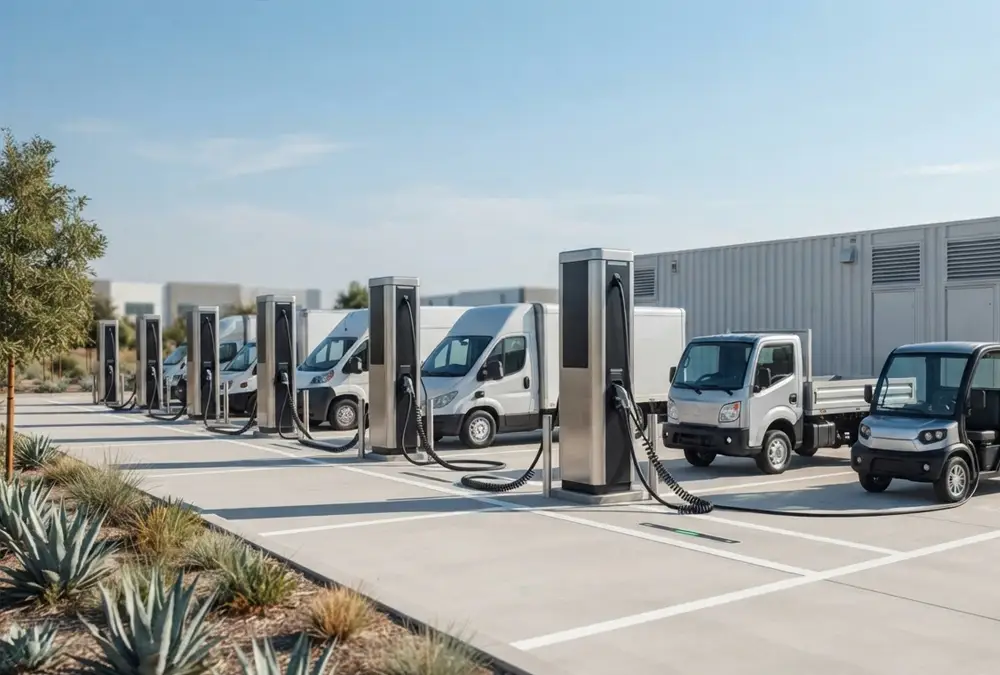
Let’s cut through the marketing noise surrounding electric vehicle infrastructure deployment. If your enterprise is currently evaluating a massive capital expenditure on high-power hardware, understanding how dc fast charging actually interfaces with both the local utility grid and vehicle battery packs is non-negotiable. This high-capacity technology bypasses the typical constraints of lower-tier alternating current infrastructure, sending massive amounts of raw power straight into an electric vehicle. Whether you operate a public highway plaza or manage a heavy-duty commercial logistics hub, deploying a proper dc fast charging network dictates the uptime, ultimate profitability, and overall operational scale of your entire transport ecosystem.
What Is DC Fast Charging?
Definition of DC Fast Charging
At its core, this method represents the apex of current electric vehicle supply equipment design. Often classified by operators as Level 3 charging, it stands out because it delivers high-voltage direct current power directly to the energy storage cells. While standard installations rely on the vehicle’s modest internal components to convert power, a commercial dc fast charger handles that heavy conversion work externally before the current ever reaches the vehicle plug. That shift in execution explains why this specific class of hardware operates at massive scales, drastically reducing long fleet dwell times compared to common alternative installations.
How Is DC Fast Charging Different from AC Charging?
The core difference comes down to the physical location of the power conversion process. In a typical AC configuration, the station merely supplies raw power from the local grid to the car, leaving the small, heat-constrained onboard device to turn it into direct current. A dedicated commercial EV charger built for fast operation does all the massive heavy lifting inside its own standalone industrial cabinet instead. By taking that conversion stress off the vehicle, these stations can easily scale up from 60kW past 400kW, pouring intense power directly into the battery pack without risking vehicle hardware failure.
| Feature | AC Charging | DC Fast Charging | Real-World Advantage for Operators |
|---|---|---|---|
| Power Conversion Location | Inside the Vehicle (Onboard) | Inside the External Charger Cabinet | Eliminates vehicle space limits, allowing massive industrial power scaling. |
| Charging Speed Profile | Slow, steady trickle delivery | High-velocity initial power injection | Drastically improves vehicle turnover rates at busy public locations. |
| Typical Operational Power | 3.7 kW to 22 kW max | 30 kW to over 900 kW split | Supports heavy commercial fleets that cannot afford hours of down-time. |
| Best Business Applications | Home & Workplace | Highway hubs and fleet depots | Generates maximum short-turnover retail revenue per parking stall. |
How Does DC Fast Charging Work?
Step 1 – AC Power Enters the DC Fast Charger
The process begins right at the dedicated medium-voltage distribution transformer box. High-voltage alternating current flows from the local utility grid straight into the specialized cabinet housing your EV charging infrastructure elements. This step requires robust switchgear protection arrays along with deep surge suppression filtering to shield the highly sensitive internal electrical components from unpredictable grid spikes or harmonic distortions.
Step 2 – AC Is Converted into DC Power
Once inside the main cabinet, the alternating current encounters dense stacks of modular power units. These sub-assemblies utilize high-frequency power factor correction systems combined with advanced rectifiers to convert incoming grid power into clean, highly stable direct current. Running modular groups instead of single monolithic setups ensures the station stays online; if one module drops offline under load, the others step up to keep the session running smoothly.
Step 3 – Communication Between the Charger and the EV Battery
Before any major current flows through the heavy cable, the station initiates a tight digital handshake with the vehicle’s onboard battery management system. Using standardized protocols like the CAN bus interface or Power Line Communication via CCS fast charging standards, the station checks parameters like system temperature, current insulation resistance, and the exact state of charge. Power only moves once the vehicle sends an explicit, verified command for current.
Step 4 – Constant Current (CC) Charging Phase
During this initial operating phase, the station pushes a steady, high-volume stream of current while the overall pack voltage steadily climbs. This phase is where your high-capacity EV fast charging system earns its keep, supplying maximum raw wattage to fill an empty battery pack as quickly as possible. The station deliberately holds this aggressive pace until the battery cell voltages approach their safe maximum limits.
Step 5 – Constant Voltage (CV) Charging Phase
When the battery reaches roughly 80% capacity, the system automatically transitions into constant voltage mode. The internal controller locks the delivery voltage right at the maximum limit while steadily tapering the incoming current down to a trickle. This deliberate drop prevents localized overheating and avoids plating the internal lithium anodes, safeguarding long-term pack longevity at the cost of overall speed.
Step 6 – Charging Completion & Safety Shutdown
Once the car signals it is full, or the target session limits are met, the station stops the current flow entirely. The internal isolation contactors click open, liquid-cooling loops cycle down, and a final session summary logs via the cloud interface. The high-voltage cable safely de-energizes completely before the operator can even pull the plug from the port.
Main Components of a DC Fast Charging System
Power Modules
These sub-units serve as the primary workhorses of the station, turning raw utility grid power into usable battery current. High-performance systems rely heavily on Silicon Carbide semiconductor topologies, which deliver conversion efficiencies well past 95%. This high efficiency reduces internal thermal losses and keeps operating costs low over years of heavy daily use.
Charging Controller
Think of this component as the main brain running the whole operation. It handles real-time calculations, checks isolation safety parameters, coordinates user access control, and modulates energy delivery based on direct inputs from the vehicle. It bridges the physical hardware layer with the overarching back-end management software via open industry standards.
Cooling System
Managing thermal loads dictates how long a station can run at full throttle. Basic 30kW to 60kW stations use reliable forced-air cooling fans, but ultra-fast systems over 180kW require active liquid-cooling loops running straight through the internal copper busbars and out into the dispensing cable. Liquid cooling prevents thermal throttling, letting the station deliver maximum power even during hot summer months.
Charging Cable & Connector
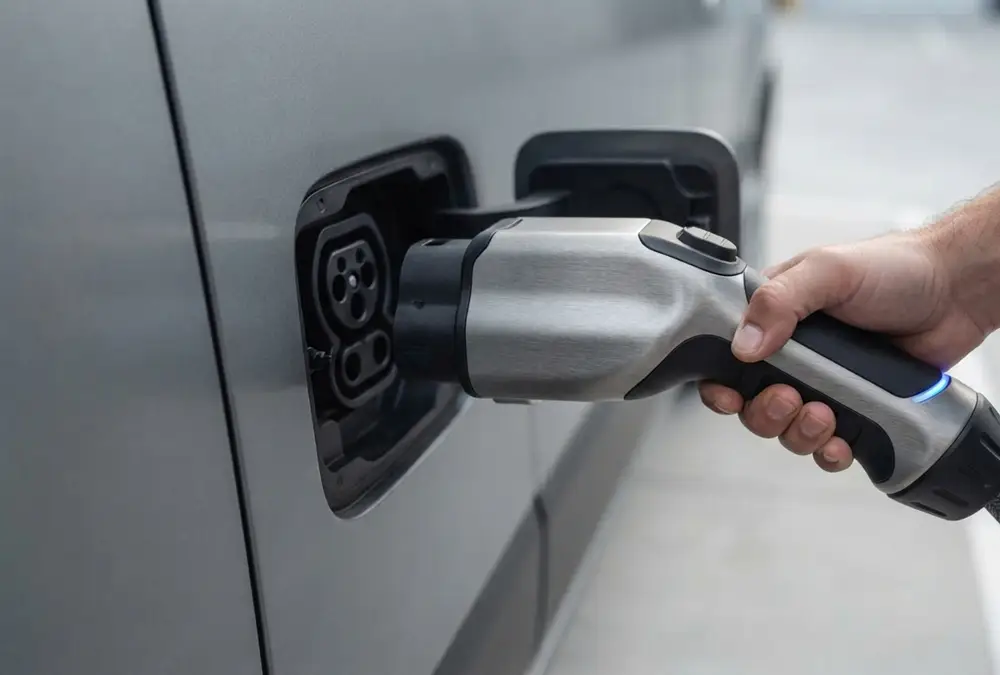
This is the rugged physical link that hooks up the station to the vehicle’s charge port. Commercial sites must choose their connector layouts carefully to match local demand, balancing options like North American NACS plugs, European CCS2 ports, and regional GB/T standards. Heavy-use setups require liquid-cooled cables to keep handling weights manageable for the average driver.
HMI Display & Payment System
The human-machine interface must be built to withstand harsh outdoor weather while remaining intuitive for everyday drivers. Industrial stations use bright, anti-glare touchscreens alongside secure, encrypted payment terminals. These systems support everything from simple credit card taps and RFID fleet badges to modern Plug & Charge automated authorization.
OCPP Communication Module
To run a profitable commercial network, your hardware must talk seamlessly with third-party billing software. Operating an OCPP charging station ensures you are never locked into a single software provider. This open standard lets you shift network management, tweak dynamic session pricing, and run remote diagnostics across your entire hardware footprint without replacing components.
Protection System
Industrial electrical installations require multi-layered safety features. Premium hardware integrates Type 2 surge protection devices, highly sensitive residual current monitoring, emergency stop circuits, and fast-acting overcurrent fuses. These components protect expensive vehicles, the charging station itself, and the local utility grid from damage.
DC Fast Charging Speed Explained
How Fast Is DC Fast Charging?
Delivery speeds depend heavily on the station’s total kW output rating. A compact 30kW or 60kW station serves well for longer urban stopovers or last-mile delivery fleets. Moving up to 120kW or 240kW configurations provides the fast turnaround times needed for public commercial locations, while specialized 360kW to 900kW systems deliver ultra-fast turnarounds for heavy-duty long-haul transport.
Typical Charging Time by Battery Size
To make sense of these performance tiers, look at how different power capacities fill typical battery packs. The numbers below assume standard operating temperatures and reflect the time required to run from a 10% state of charge up to 80% capacity.
| Battery Capacity | 60 kW Station | 120 kW Station | 180 kW Station | 240 kW Station | Real-World Operator Benefit |
|---|---|---|---|---|---|
| 50 kWh (Compact Delivery Vans) | ~45 mins | ~22 mins | ~15 mins* | ~15 mins* | Speeds up local delivery van turnarounds during driver lunch breaks. |
| 75 kWh (Standard Fleet Sedans) | ~65 mins | ~33 mins | ~22 mins | ~18 mins* | Minimizes down-time for high-mileage ride-share vehicle fleets. |
| 100 kWh (Premium SUVs / Light Trucks) | ~90 mins | ~45 mins | ~30 mins | ~22 mins | Keeps heavy passenger models moving along busy highway transit corridors. |
| 200 kWh (Heavy-Duty Class 8 Logistics Trucks) | ~180 mins | ~90 mins | ~60 mins | ~45 mins | Allows sequential terminal charging for short-haul logistics operations. |
*Note: Charging speeds may be limited by the vehicle’s maximum internal acceptance rate rather than the station’s total output capacity.
Factors That Affect Charging Speed
A station’s nameplate rating does not guarantee that exact speed all day long. Incoming speeds change constantly based on the battery’s real-time state of charge, internal cell temperatures, and the vehicle’s operating voltage architecture. A car built on a modern 800-volt system pulls maximum power far longer than older 400-volt models, which face thermal limits much sooner.
Advantages and Disadvantages of DC Fast Charging
Advantages
The primary benefit for operators is faster vehicle turnover. Cutting down driver wait times improves vehicle utilization for commercial fleets and increases total session revenue for public charging stations. Offering faster charging speeds draws high-value EV drivers to retail centers, helping business owners monetize standard parking stalls.
Disadvantages
On the flip side, installing high-power systems requires significant upfront capital. Hardware costs run higher than AC setups, and sites often face steep utility upgrade fees to support the intense grid loads. Additionally, frequent fast charging can accelerate battery degradation if the vehicle lacks an advanced liquid thermal management system.
Where Is DC Fast Charging Used?
Choosing where to deploy high-capacity hardware requires matching station power outputs with typical driver dwell times. Installing a massive 480kW unit at a hotel where guests sleep for eight hours wastes capital, while putting a slow AC charger at a highway rest stop frustrates drivers. The breakdown below details the ideal hardware choices for common commercial layouts.
| Application Environment | Charging Demand Profile | Recommended Power Tier | Operator Business Value |
|---|---|---|---|
| Highway Service Hubs | Ultra-fast turnover focus | 240 kW – 480 kW | Maximizes daily session revenue along busy travel routes. |
| Public Charging Plazas | High-volume retail traffic | 120 kW – 240 kW | Balances equipment installation costs with steady customer turnover. |
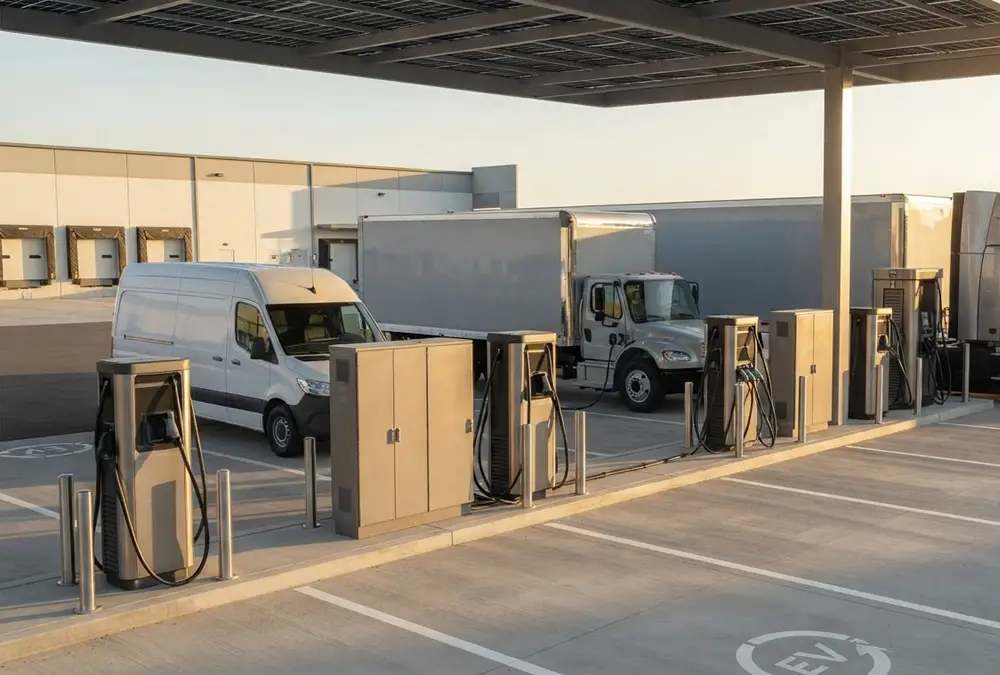
| Fleet Logistics Depots | Strict operational timelines | 180 kW – 360 kW | Ensures heavy commercial delivery vehicles stay on schedule. |
| Municipal Bus Depots | Scheduled heavy charging | 240 kW – 480 kW | Provides high-reliability charging for large public transit fleets. |
| Commercial Office Parks | Mid-day visitor parking | 60 kW – 180 kW | Provides a premium, convenient amenity for corporate clients and guests. |
| Retail Shopping Centers | 1-2 hour customer dwell times | 60 kW – 120 kW | Extends shopper dwell time and increases in-store sales. |
How to Reduce DC Fast Charging Operating Costs
Dynamic Load Balancing
Smart energy management prevents costly site upgrades. Dynamic load balancing software monitors real-time building electrical loads and shifts power between connected dispensers automatically. This approach lets you install more charging stalls without exceeding your local site’s physical grid capacity limits.
Battery Energy Storage System (BESS) Integration
Connecting dedicated energy storage hardware is one of the most effective ways to lower high utility demand charges. By drawing power into localized batteries during low-tariff off-peak periods, you can discharge that stored energy directly to chargers when multiple vehicles plug in simultaneously. This strategy flattens sharp utility load spikes and protects your monthly operating margins.
Featured Industrial Energy Storage Solutions
To mitigate demand spikes and optimize high-power infrastructure investments, combining smart chargers with dedicated energy storage is highly effective. The following turnkey battery options match distinct operational profiles:
- 100kWh BESS Cabinet: Best suited for retail sites running dual 60kW or 120kW stations; provides basic demand charge mitigation without requiring a large physical footprint.
- 261kWh / 418kWh Modular Systems: Ideal for mid-sized commercial fleets and busy public charging plazas; offers the high energy capacity needed to manage prolonged peak utilization windows.
- 1MWh Utility-Scale Container: Engineered for heavy-duty logistics hubs and multi-port ultra-fast highway plazas; delivers high-volume peak shaving and full integration support for microgrids.
Core Value Proposition: Integrating these battery storage assets protects sites from expensive demand charges, ensures stable power delivery during grid fluctuations, and avoids costly utility transformer upgrades.
Solar + Storage + DC Fast Charging
Combining onsite solar arrays with battery storage and fast chargers creates an independent, resilient microgrid system. Generating clean electricity right on your roof lowers your dependence on utility power and guarantees the station can keep running during local grid blackouts.
Smart Energy Management System (EMS)
An advanced energy management system acts as the central software running your microgrid. It tracks real-time spot electricity prices, forecasts weather patterns for solar generation, and schedules vehicle charging times to maximize your return on investment automatically.
How to Choose the Right DC Fast Charging Solution
Avoid the common trap of simply buying the highest-wattage station listed in the catalog. You need to assess your site’s physical space, look at actual daily vehicle driving distances, and check available grid capacity with your local utility provider. Focus on modular designs that let you swap in extra power modules later as charging demands grow, keeping your upfront installation costs manageable.
Why Choose AnengJI DC Fast Charging Solutions?
Factory-Direct Manufacturing
AnengJI operates as a dedicated, vertically integrated original equipment manufacturer. We manage the entire lifecycle from initial circuit design and software development up to final assembly line validation. Skipping third-party distributors lets us offer competitive pricing and deliver custom configurations tailored to your specific project needs.
Complete DC Fast Charging Product Portfolio
We build a versatile range of hardware options designed for different commercial environments. Our lineup includes everything from compact 30kW and 60kW destination units to high-volume 120kW, 180kW, and 240kW stations, all the way up to liquid-cooled 480kW and 900kW systems built for demanding highway corridors.
Integrated Energy Solutions
We look beyond standalone chargers. AnengJI provides complete, integrated energy solutions that pair our smart chargers with custom power conversion systems, advanced energy management software, and modular battery storage cabinets. This comprehensive approach helps you build an optimized, low-TCO system from a single partner.
Global Certifications & Technical Support
Our hardware is engineered to perform reliably under harsh operational conditions worldwide. AnengJI systems carry full CE, TÜV, and UL certifications, comply with OCPP 1.6J and OCPP 2.0.1 protocols, and come backed by a comprehensive two-year warranty alongside around-the-clock technical support teams.
Frequently Asked Questions About DC Fast Charging
What is DC fast charging?
It is a high-power charging method that delivers high-voltage direct current directly to an electric vehicle’s battery cells. By bypassing the car’s slow internal conversion hardware, it provides significantly faster charging speeds than standard AC systems.
How does DC fast charging work?
The station draws alternating current from the utility grid, converts it to high-voltage direct current using internal power modules, and monitors the session via continuous communication with the car’s battery management system to deliver safe, rapid energy.
Is DC fast charging bad for EV batteries?
Modern electric vehicles manage high-power sessions safely using advanced liquid cooling loops. While frequent fast charging can create minor cell stress over time, modern battery management software minimizes long-term degradation risk.
How fast is a DC fast charger?
Speeds depend on the station’s kW rating and the vehicle’s design. A 120kW station can add around 200-300 kilometers of driving range in 20 to 30 minutes, whereas a high-power 360kW unit can charge compatible models in under 15 minutes.
What is the difference between AC and DC charging?
AC systems rely on the vehicle’s small onboard converter to turn alternating current into direct current. DC stations convert the power inside their own large external cabinets first, allowing them to deliver energy much faster.
What vehicles support DC fast charging?
Nearly all modern battery-electric passenger cars and commercial vehicles support high-power DC charging. You simply need to match the station’s physical plug standard with the vehicle’s built-in inlet port.
What connector types are available?
Main standards include CCS1 for North America, CCS2 for Europe, the NACS standard worldwide, and GB/T ports for Chinese infrastructure networks. Most stations can be configured with dual connector options to support multiple vehicle types.
How much does a DC fast charging station cost?
Total investment costs vary based on station power output, required grid upgrades, and site installation needs. While initial equipment costs run higher than AC hardware, the faster vehicle turnover helps generate higher long-term revenue.
Can battery storage reduce charging costs?
Yes. Integrating a battery energy storage system lets you store cheaper electricity during off-peak hours and use it when multiple cars plug in at once, helping you avoid expensive utility peak demand charges.
What power level should I choose for my business?
Match the station’s power with your customers’ typical parking times. Retail locations with 1-2 hour stays do well with 60kW to 120kW units, while highway hubs and fleet depots require 240kW to 480kW systems to keep vehicles moving.
Ready to Optimize Your Commercial EV Infrastructure?
Work directly with AnengJI’s engineering team to build a high-performance system customized for your site. From modular chargers to integrated solar and battery storage solutions, we help you deploy the right technology for your business.