Investing in a residential energy storage system helps homeowners store solar energy, reduce electricity costs, improve energy independence, and maintain reliable backup power during grid outages. Modern grid tariffs are rising fast. Power outages happen more frequently during extreme weather events. Deploying a home battery storage system secures your family’s power around the clock.
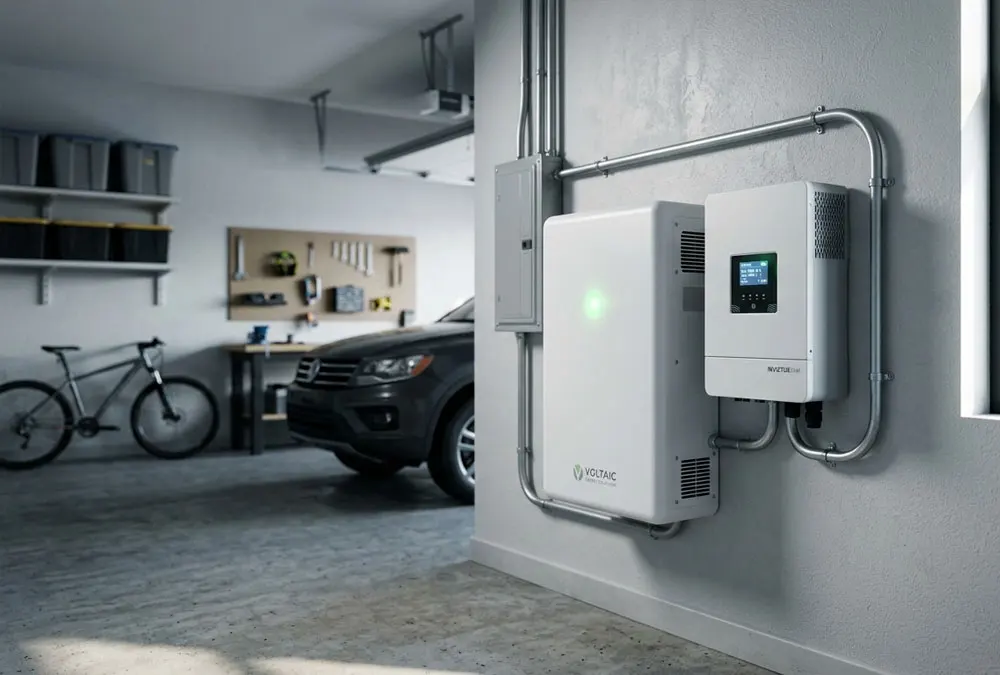
Battery backup
Smart energy management
What Is a Residential Energy Storage System?
Understanding Residential Energy Storage Systems
I talk to homeowners every week who are frustrated by their utility bills.
Electricity rates keep climbing rapidly each year across major markets.
Meanwhile, regional transmission grids face worsening stability challenges.
What is a residential energy storage system exactly in technical terms?
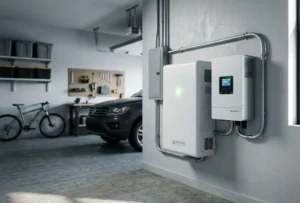
It is an intelligent energy asset installed inside or outside your residence.
It captures electrical power when energy costs remain low or entirely free.
Then it releases that energy when grid prices surge or blackout events strike.
During daytime, rooftop solar panels generate abundant green electricity.
Your home battery energy storage system captures all surplus energy automatically.
At night, the stored power runs your lighting, air conditioning, and household loads smoothly.
How Residential Battery Storage Works With Solar Energy
A solar battery storage system pairs directly with your photovoltaic arrays.
During sunny morning hours, solar arrays generate direct current (DC) power.
Power flows directly into a high-efficiency hybrid solar inverter.
The inverter directs current to power household circuits first.
Excess energy immediately charges your residential lithium battery energy storage solution.
When evening arrives, solar generation drops down to zero.
The battery instantly takes over the primary household power supply.
It prevents you from buying expensive peak-hour electricity from utility companies.
Buyer Concern: “Can residential battery storage work without solar panels?”
Yes, absolutely! You can charge a home battery energy storage system supplier’s unit directly from the grid during off-peak hours (like midnight). When utility rates jump during daytime peak hours, you discharge the stored battery power. This energy arbitrage strategy cuts your monthly electric bill significantly, even without rooftop solar.
DC Coupling vs AC Coupling System Architecture Decoded
Homeowners often ask whether DC-coupled or AC-coupled topologies suit their homes better.
DC-coupled systems connect solar panels and battery banks directly to one shared hybrid inverter.
This design reduces conversion steps, keeping round-trip efficiency above 95%.
It cuts installation costs by 8% to 12% on brand-new solar-plus-storage projects.
AC-coupled setups fit retrofits better where existing solar microinverters are already installed.
An AC battery connects to your main distribution panel independently.
It adds seamless battery backup without rewiring your existing roof arrays.
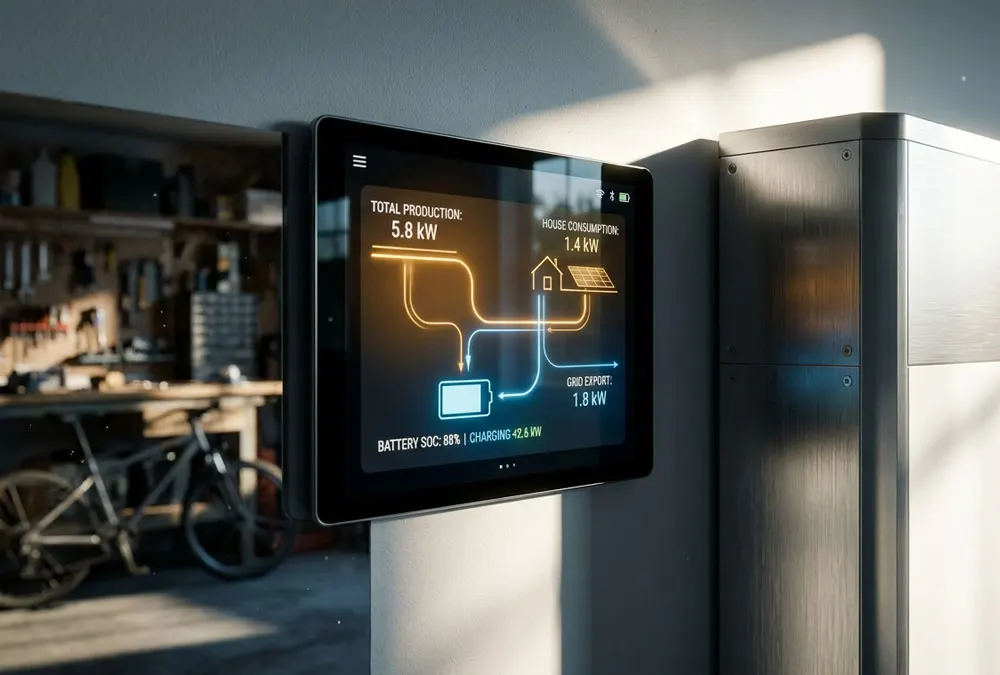
Residential Energy Storage System Components and Smart Energy Architecture
A reliable home battery storage system relies on several core engineering sub-systems working in tandem.
Battery Modules: The Core Energy Storage Unit
The lithium ion battery storage modules serve as the core reservoir of your home power setup.
We heavily recommend Lithium Iron Phosphate (LiFePO4) chemistry for home energy storage solution setups.
Technical Concept: What makes LiFePO4 chemistry safer?
LiFePO4 chemistry uses strong covalent P-O chemical bonds within its olivine crystal structure. Unlike traditional cobalt-based batteries, these phosphorus-oxygen bonds resist thermal decomposition up to 270°C. They do not release free oxygen during internal faults, rendering thermal runaway and fire events virtually impossible under normal residential operating conditions.
LiFePO4 cells withstand over 6,000 to 8,000 full charge cycles easily.
That translates to over 15 years of daily operation without severe capacity degradation.
Hybrid Inverter: Managing Solar and Battery Power Conversion
The hybrid inverter serves as the central brain for energy conversion.
It manages two-way electricity flows seamless between DC batteries, AC home circuits, solar arrays, and grid lines.
Look for inverters with fast transfer times under 10 milliseconds.
Fast transfer keeps sensitive electronics and computers running during sudden grid failures without rebooting.
Battery Management System (BMS): Ensuring Battery Safety
Never compromise on your battery management system (BMS) specs.
The BMS continuously monitors individual cell voltages, operating temperatures, and current flows.
It prevents overcharging, deep discharging, and over-current faults automatically.
A high-grade BMS extends battery life while keeping your home completely safe.
Smart Distribution Panel: Intelligent Household Energy Control
Smart home energy management system panels let you prioritize critical electrical circuits.
During a prolonged power outage, you can keep essential circuits active easily.
Power your refrigerator, medical devices, Wi-Fi router, and kitchen lights while turning off heavy hot tubs or unused rooms.
| Battery Chemistry | Cycle Life (80% DOD) | Thermal Runaway Temp | Round-Trip Efficiency | Direct Benefit to Homeowners & Buyers |
|---|---|---|---|---|
| LiFePO4 (LFP) | 6,000 – 8,000 cycles | > 270°C (Highly Stable) | 92% – 95% | Lowest long-term cost. Zero fire risk inside residential garages. Lasts 15+ years under daily cycling. |
| NMC (Nickel Manganese Cobalt) | 2,000 – 3,000 cycles | ~ 210°C (Moderate) | 88% – 90% | Compact wall footprint. However, requires replacement much sooner and incurs higher warranty risks. |
| Lead-Acid (AGM / Gel) | 500 – 1,200 cycles | Low (Gassing risks) | 70% – 75% | Cheapest upfront cost. Wastes 25% of solar power during charging and fails within 3 to 5 years. |
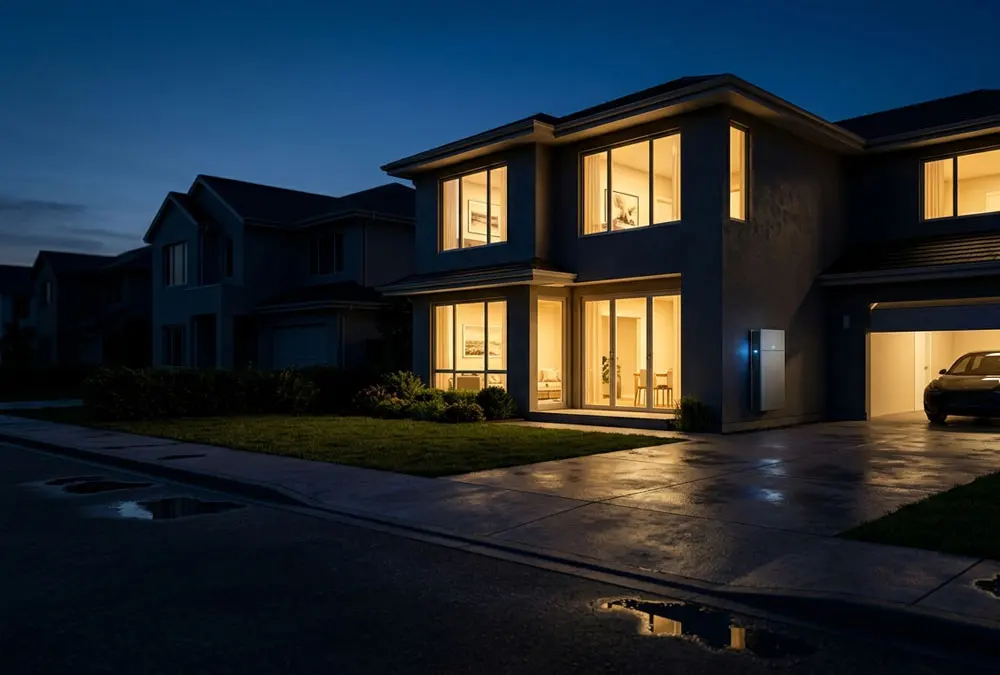
Benefits of Residential Energy Storage Systems for Modern Homes
Maximize Solar Energy Self-Consumption
Without a backup power battery system, home solar panels send extra midday energy straight to grid utilities.
In many regions, utilities buy that power back at miserable wholesale rates.
Adding a solar plus storage system shifts self-consumption from 30% to over 80%.
You keep your energy where it belongs: inside your house.
Achieve True Residential Energy Independence
Gaining real energy independence means taking control away from volatile power suppliers.
A residential solar battery storage installation protects your family budget against time-of-use (TOU) rate hikes.
You run off battery power during peak evening pricing brackets automatically.
Provide Continuous Backup Power During Grid Outages
Extreme heat, winter storms, and aging transformers trigger unexpected power cuts constantly.
A solar battery storage system for home backup power kicks in instantly during blackouts.
Your lights stay on, food stays frozen, and medical equipment keeps running smoothly without missing a beat.
According to clean energy integration studies from the U.S. Department of Energy, combining solar generation with battery storage creates a resilient microgrid. This integration stabilizes local feeder networks while delivering uninterruptible power directly to homeowners.
Buyer Concern: “How fast does a home battery switch during a sudden blackout?”
Premium home batteries integrated with fast hybrid inverters switch in less than 10 milliseconds. This transfer is so fast that home desktop computers, gaming consoles, and smart Wi-Fi routers will not turn off or lose data.
Reduce Household Carbon Footprint
Peaker power plants burn heavy fossil fuels during high demand periods.
Using a renewable energy storage solution reduces grid electricity reliance during peak demand hours.
It directly reduces local carbon emissions while supporting a clean environment.
Increase Property Value With Smart Energy Solutions
Homebuyers actively look for energy-efficient properties with modern solar and battery installations.
Installing a residential energy storage system adds tangible equity to your home valuation immediately.
Expanding Storage Beyond Residential Properties? Commercial Solutions
If you manage commercial real estate, industrial workshops, or multi-family housing projects alongside residential builds, standard home batteries may not provide enough energy capacity. Consider our high-efficiency industrial outdoor energy storage cabinets:
- 100kWh / 261kWh Industrial Battery Cabinets: Fully integrated liquid-cooled cabinets engineered for commercial peak shaving, EV charging buffer stations, and manufacturing backup power.
- 418kWh / 1MWh Containerized Storage Systems: Modular block designs for large commercial facilities, microgrids, and utility distribution upgrades requiring mega-watt level energy capacity.
How to Choose the Right Residential Energy Storage System Size?
Evaluate Household Energy Consumption Patterns
Check your monthly electric bills for average daily kilowatt-hour (kWh) consumption.
A standard single-family home consumes between 15 kWh and 30 kWh per day.
Analyzing your hourly energy usage helps determine ideal battery capacity sizing precisely.
Understand Continuous Power and Peak Surge Requirements
Do not confuse battery capacity (kWh) with inverter output power (kW).
Capacity defines how long your battery runs.
Inverter power defines how many appliances you can switch on simultaneously.
Check the peak surge requirements of heavy motor loads like central air conditioners or well pumps carefully.
| Battery System Size | Inverter Rating (kW) | Target Household Load Coverage | Direct Benefit to Homeowners & Buyers |
|---|---|---|---|
| 5 kWh – 10 kWh | 3 kW – 5 kW | Essential loads (Lights, Wi-Fi, Fridge) | Most budget-friendly choice. Keeps essential food cold and communication active during short power outages. |
| 12 kWh – 20 kWh | 6 kW – 10 kW | Partial home loads (+ TV, Kitchen appliances, HVAC) | Sweet spot for average family homes. Covers entire evening energy needs and eliminates daily peak tariff charges. |
| 25 kWh – 40 kWh+ | 12 kW – 20 kW | Whole-home backup (+ EV charging, Pool pump, Central AC) | Complete off-grid lifestyle confidence. Powers high-draw luxury loads and electric vehicle chargers without grid aid. |
Select a Whole-Home Backup Energy Storage Solution
If you want complete off grid home battery system capabilities, select modular battery stacks.
Modular designs allow you to start with 10 kWh today.
You can easily add extra battery modules next year as your power demands grow.
Ensure Safe and Professional Installation
Hire certified electrical installers experienced with high-voltage DC storage equipment.
Verify local permitting compliance, rapid shutdown protection, and proper physical clearance around wall units.
Future Trends of Residential Energy Storage Systems
Smart Load Management for Optimized Energy Usage
Artificial intelligence algorithms now integrate into modern home energy management system controllers directly.
The system predicts solar weather forecasts, tracks electricity spot prices, and automatically calculates optimal battery dispatch schedules.
Advanced Battery Technologies Improve Home Storage Performance
According to 2025/2026 industry insights from BloombergNEF (BNEF), lithium iron phosphate cell manufacturing costs dropped further.
LCOS ($/kWh) = [Total System CAPEX + Lifetime Maintenance OPEX] / [Total Lifetime kWh Delivered]
Lower hardware costs shorten payback periods down to 4 – 6 years in high-tariff energy regions.
LCOS economics now beat utility electricity pricing across most European and North American markets.
Automatic Grid Response and Virtual Power Plant Integration
Modern home batteries participate in Virtual Power Plant (VPP) networks.
When regional grids face emergency shortages, VPP software aggregates thousands of home batteries together.
You receive financial cash incentives from grid operators for sharing tiny amounts of battery capacity automatically.
Why Choose Our Residential Energy Storage Solutions?
Reliable Lithium Battery Technology for Residential Applications
We supply premium grade LiFePO4 cells manufactured under stringent tier-one quality controls.
Our battery systems carry international certifications including UL 1973, UL 9540, and CE safety standards.
Flexible Capacity Options for Different Homes
Whether you need a compact 5 kWh apartment unit or a 30 kWh luxury villa energy system, our modular stacking designs deliver perfect sizing flexibility.
Complete Energy Storage System Integration
As an established home battery energy storage system supplier, we deliver pre-wired, factory-tested packages containing battery modules, BMS units, hybrid inverters, and mobile app monitoring.
Get a Free Residential Energy Storage Consultation
Ready to secure your home power, lower your electricity bills, and achieve real energy freedom? Talk with our application engineering team today to receive a customized residential energy storage solution tailored to your exact household needs.
Frequently Asked Questions About Residential Energy Storage Systems
How does a residential energy storage system work?
A residential energy storage system stores DC electricity from solar panels or grid lines inside lithium battery modules. An intelligent hybrid inverter converts that DC energy into usable AC power for household appliances whenever utility rates jump or power cuts occur.
How much energy can a home battery store?
Residential battery capacities typically range from 5 kWh up to 30 kWh per installation stack. Modular systems allow homeowners to combine multiple battery units to match larger power consumption requirements.
How long does a residential battery storage system last?
Tier-one LiFePO4 battery energy storage solutions last for 6,000 to 8,000 charge cycles. Under daily cycling conditions, these systems operate reliably for 15 years or longer while maintaining over 70% residual capacity.
Is LiFePO4 battery safe for home energy storage?
Yes, LiFePO4 (Lithium Iron Phosphate) is widely recognized as the safest lithium battery chemistry for residential indoor or garage installations. It exhibits exceptional thermal resistance and will not catch fire even under harsh short-circuit or physical damage conditions.
Can residential battery storage work without solar panels?
Yes. The battery system charges from the electrical grid during night time off-peak hours when power rates are lowest. It then discharges to power your house during expensive peak daytime hours, reducing your monthly bill automatically.
How long can a home battery provide backup power?
Backup duration depends on your battery capacity size and load power draw. A standard 10 kWh battery system powers essential household loads (refrigerator, lights, Wi-Fi, routers) for 12 to 24 hours continuously during an outage.