
As electric vehicle (EV) adoption continues to grow, the demand for fast and reliable charging infrastructure also increases. While Level 1 and Level 2 chargers are common for home and business use, Level 3 EV charging stations are critical for long-distance travel, public charging networks, and commercial fleets. Also known as DC fast charging, Level 3 chargers provide rapid recharging capabilities, making them essential in high-traffic areas, highways, and commercial hubs.
This article explores the advantages of Level 3 EV charging stations, the operations and maintenance requirements, potential challenges, ideal locations for deployment, and solutions for regions facing power grid challenges. Additionally, we highlight the benefits of Anengjienergy’s Level 3 charging solutions, demonstrating why the company is a leading provider in the EV charging infrastructure market.
1. Key Advantages of Level 3 EV Charging Stations
1.1 Rapid Charging Speed
Level 3 charging stations are known for their fast charging capabilities, providing 80% charge in 20–30 minutes. This makes them a vital part of the EV ecosystem, particularly for drivers on long trips or in need of a quick turnaround.
Power Output: Typically ranges from 50 kW to 350 kW, with some ultra-fast chargers capable of reaching 1,000 kW.
Charging Speed: 20–30 minutes for an 80% charge, making it ideal for long-distance travel and fleet operations.
Suitable Locations: Highway service stations, commercial hubs, high-density urban areas.
1.2 Ideal Locations for Level 3 EV Charging Stations
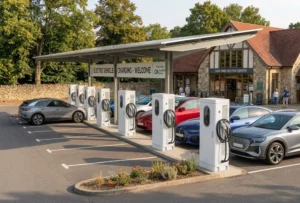
Level 3 EV charging stations locations are strategically placed in high-traffic areas to maximize usage and accessibility. These locations include:
Highways & Toll Roads: For long-distance EV travel, drivers need quick recharges at service stations or rest stops.
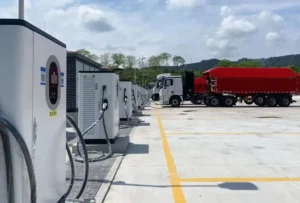
Commercial Charging Stations: In commercial zones and fleet charging centers.
Shopping Centers & Malls: To attract shoppers who need fast recharges while shopping.
Urban Charging Hubs: For city dwellers who need to charge during daily commutes.
Fleet Charging: For businesses with large electric vehicle fleets, such as delivery services or taxi companies.
2. Operations of Level 3 Charging Stations
2.1 Charging Station Infrastructure
Operating a Level 3 EV charging station requires robust infrastructure due to the high power demand. Essential infrastructure includes:
Dedicated Power Connections: High-voltage connections (typically 240V or higher) to handle the electricity load.
Cooling Systems: To ensure that the charger remains within safe operating temperatures.
Payment Systems: Various billing methods, such as pay-per-use, subscriptions, or membership models.
2.2 Business Models for Level 3 Charging Stations
The business models for commercial EV charging stations level 3 can vary based on the customer base and location:
Public Charging Networks: These are operated by third parties, such as private companies or government entities, where users pay to use the chargers.
Private Charging Stations: Typically installed by businesses or property owners for their fleet of vehicles or their employees.
Revenue-Share Agreements: Partnerships between commercial property owners (e.g., hotels, shopping malls) and charging operators to provide public access to level 3 EV charging stations.
3. Maintenance of Level 3 EV Charging Stations
3.1 Regular Maintenance Needs
The maintenance of Level 3 EV charging stations involves routine checks to ensure that the station is operating efficiently and reliably:
Hardware Inspections: Regular checks of the power modules, connectors, and other charging components.
Software Updates: Updating firmware and software to ensure the chargers stay compatible with new EV models and maintain optimal performance.
Cooling System Maintenance: Keeping the cooling systems in proper working order, as DC fast chargers generate significant heat.
3.2 Maintenance Challenges
Power Grid Reliability: In areas with weak grids, Level 3 chargers may experience overload or intermittent service. This may require additional storage solutions, such as energy storage systems (ESS).
High Frequency of Use: Because Level 3 chargers are used frequently, they may experience faster wear and tear than lower-level chargers.
Compatibility Issues: As EV technology evolves, charger compatibility with new car models can become a challenge.
4. Addressing Power Deficiency in Areas with Weak Grids
One of the main issues in deploying Level 3 EV charging stations in certain regions is the availability of grid power. Power-deficient regions may struggle to support the high energy requirements of Level 3 chargers. However, there are effective solutions available:
4.1 Solutions for Power Deficiency
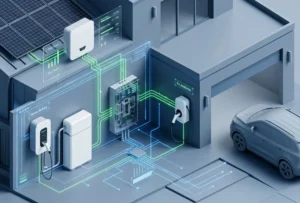
Hybrid Solar + Energy Storage Systems (ESS): By integrating solar panels with energy storage systems (ESS), EV charging stations in remote locations can reduce reliance on the local grid. This approach ensures continuous charging availability during peak demand times, even in regions with unstable power supplies.
Battery Energy Storage (BESS): Energy storage systems store electricity during off-peak hours and can discharge during high-demand times to prevent grid overload. This helps to smooth out fluctuations in power supply and ensures that charging stations are always available, especially in off-grid areas.
Local Energy Management Systems (EMS): Advanced EMS software allows for dynamic load balancing, ensuring that charging stations don’t exceed the grid’s capacity. EMS can also optimize charging times based on real-time energy prices and demand.
Microgrids: In certain remote or isolated areas, microgrids can be established to provide a self-sustaining energy solution for Level 3 chargers. These microgrids can operate autonomously, allowing charging stations to function even when the main grid is down.
5. Anengjienergy’s Advantages in Level 3 EV Charging Stations
Anengjienergy has positioned itself as a leader in Level 3 EV charging station solutions. The company’s DC fast charging stations offer key advantages, particularly in power-deficient regions.
5.1 High-Speed Charging Solutions
Anengjienergy’s DC fast chargers provide rapid charging capabilities, offering 80% charge in under 30 minutes. This rapid turnaround is ideal for both highway charging stations and public charging networks.
Power Output Options: From 50 kW to 1440 kW, allowing scalability based on user needs and energy availability.
Ultra-Fast Charging: Anengjienergy’s ultra-fast chargers are designed to support multiple vehicles simultaneously, making them suitable for commercial EV fleets and high-traffic areas.
5.2 Hybrid Solutions for Power-Deficient Areas
Anengjienergy’s solar + storage hybrid solutions are designed specifically for regions with unstable or weak electrical grids. These systems are ideal for remote locations, highway charging stations, and commercial applications where grid power reliability is an issue.
Energy Storage: Anengjienergy offers scalable battery storage systems that ensure continuous energy supply during high-demand periods.
Solar Power Integration: By integrating solar panels into the system, Anengjienergy allows for sustainable, off-grid charging solutions, reducing operational costs and reliance on the grid.
5.3 Scalable and Flexible Charging Solutions
Anengjienergy’s DC fast chargers are designed with scalability in mind, allowing businesses to expand their network as demand grows. The chargers are also compatible with various EV models, providing flexibility and future-proofing for charging infrastructure.
5.4 Global Compliance and Certifications
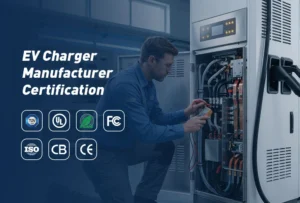
Anengjienergy’s chargers meet international standards such as CE, TUV, CB, CQC, and EAC. This ensures that Level 3 charging stations meet strict regulatory requirements for safety, efficiency, and performance across global markets.
6. FAQ
Q1: How long does it take to charge an EV with a Level 3 charger?
A: Level 3 chargers can provide 80% charge in 20–30 minutes depending on the vehicle’s battery size and the charger’s output.
Q2: Can Level 3 chargers be used in rural areas?
A: Yes, but in rural locations, additional solar + storage hybrid systems may be required to handle power shortages or grid reliability issues.
Q3: What are the maintenance requirements for Level 3 charging stations?
A: Maintenance includes regular inspections, software updates, and cooling system checks to ensure reliable operation.
Q4: How much does it cost to install a Level 3 EV charging station?
A: Installation costs for a Level 3 charger range between $50,000 to $200,000 depending on location, infrastructure needs, and installation complexity.
Q5: What makes Anengjienergy’s Level 3 chargers unique?
A: Anengjienergy’s DC fast chargers offer rapid charging, scalability, and solar + energy storage solutions, making them ideal for power-deficient regions.
Conclusion
Level 3 EV charging stations are revolutionizing the EV infrastructure landscape by enabling rapid, efficient charging for long-distance drivers, commercial fleets, and high-traffic public locations. While challenges such as power deficiencies exist in certain regions, Anengjienergy’s hybrid charging solutions and DC fast chargers provide reliable, scalable, and sustainable solutions to ensure fast and accessible EV charging. With the company’s commitment to innovation, global compliance, and efficient energy management, Anengjienergy is positioned to lead the charge in the EV charging infrastructure market.
Next Steps:
For businesses or municipalities considering Level 3 EV charging stations, contact Anengjienergy today for a personalized consultation and quote. Let us help you create the future of sustainable charging for your EV network.