Introduction
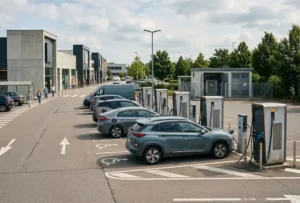
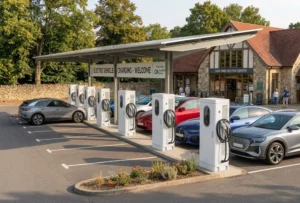
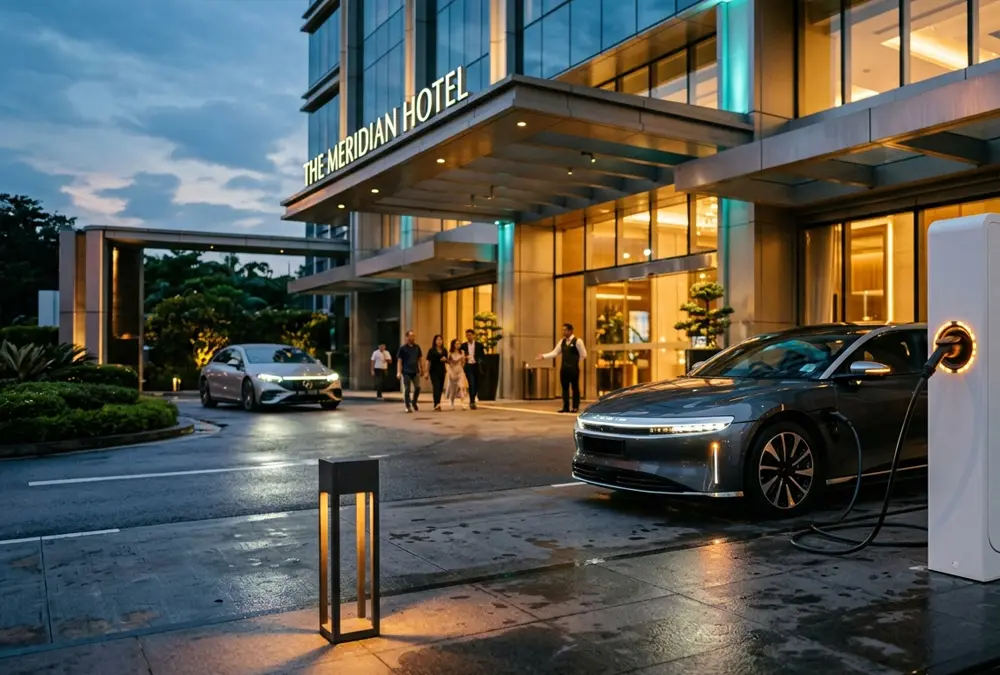
As EV adoption continues to grow, hotels are becoming an important destination for EV charging. Deploying tailored ev charging solutions for hotels is no longer just a trendy environmental statement—it’s becoming a baseline core utility. Choosing the right commercial setup helps hotel owners capture long-distance travelers, boost direct room bookings, and generate steady auxiliary revenue. In this complete guide, we will break down everything hospitality managers need to know about charging hardware, dynamic load management, installation traps, and payback periods.
What this comprehensive guide covers:
- Why destination charging drives measurable hotel occupancy and higher ADR (Average Daily Rate).
- Technical differences between Level 2 AC chargers and DC fast charging stations.
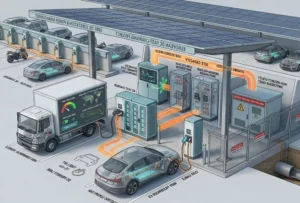
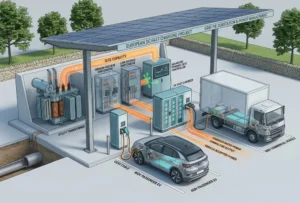
- How to solve local transformer capacity issues using dynamic load balancing and BESS energy storage.
- Step-by-step engineering design: From site power audits to scalable modular deployment.
- Realistic cost breakdowns, monetization strategies, and ROI timelines for hoteliers.
Why Hotels Need EV Charging Stations for Guests
Hotels sit at a unique sweet spot in the transport ecosystem known as destination EV charging. Drivers don’t want to sit in a gloomy parking lot along a highway for 40 minutes if they can simply plug in overnight where they sleep.
Why EV Drivers Need Charging at Hotels
When electric vehicle drivers travel, range anxiety turns into charging anxiety. They actively filter search engines for hotels with charging stations. Guests typically stay parked for several hours, overnight, during long business trips, or throughout family vacations. This long dwell time matches EV charging speeds perfectly, allowing guests to wake up with a fully replenished battery every morning.
Why EV Charging Is Becoming a Hotel Amenity
Think back to twenty years ago when Wi-Fi was an expensive add-on. Today, guests leave bad reviews if the internet connection drops for ten minutes. The exact same shift is happening with EV charging amenities. What used to be a luxury perk is now treated like parking, breakfast, or a fitness center. If your hotel lacks reliable plugs, drivers will simply choose the competing resort down the street.
Why Hotels Can Benefit From Destination EV Charging
Deploying a robust destination EV charging solution connects your property directly into global navigation systems like Tesla Navigation, PlugShare, Google Maps, and Apple Maps. This brings organic, highly motivated traffic to your site—including road-trip travelers, corporate executives, regional sales reps, and premium eco-conscious tourists who spend more on dining and amenities.
Benefits of EV Charging Solutions for Hotels
Integrating ev charging for hotels yields immediate commercial dividends and long-term brand equity.
Improve Guest Convenience and Satisfaction
Nobody likes hunting down a public fast charger in an unfamiliar city late at night. Providing seamless guest EV charging on-site eliminates that stress completely. The guest experience becomes simple: Park → Check in → Charge → Enjoy Stay → Depart with 100% battery.
Attract More EV Travelers
According to the BloombergNEF Electric Vehicle Outlook 2026, global EV sales are crossing 23 million units annually, pushing millions of new EV drivers onto highway corridors. Meanwhile, recent J.D. Power Public Charging Studies highlight that charger availability and safety at destination sites drive the highest overall driver satisfaction scores. Hotels offering reliable charging instantly unlock access to this high-spending demographic.
Create an Additional Revenue Stream
Commercial charging isn’t just an expense line. Hoteliers can monetize hotel parking EV chargers through multiple pricing schemes: pay-per-kWh, hourly rates, session fees, or a hybrid model that blends free charging for VIP members with paid access for non-staying retail visitors.
Support Sustainability and ESG Goals
Installing commercial hardware lowers scope 3 emissions associated with guest transport, helping hotel chains meet corporate ESG benchmarks, achieve green hospitality certifications (such as LEED or Green Key), and secure lucrative corporate booking contracts that require green facilities.
Increase Hotel Property Competitiveness
For commercial real estate developers, adding robust EV charging infrastructure increases land value and future-proofs the building’s electrical architecture against impending municipal zero-emission mandates.
What Are the Best EV Charging Solutions for Hotels?
Selecting the right hardware depends entirely on guest turnover rates and available electrical supply.
Level 2 AC EV Chargers for Hotels
StandardAC EV chargers (7kW to 22kW) are the backbone of overnight hotel charging. They are affordable to buy, cheap to install, and gentle on the hotel’s main circuit breaker, making them perfect for extended stays.
DC Fast Charging Stations for Hotels
High-power DC fast chargers (60kW to 180kW+) supply 100+ miles of range in under 30 minutes. These are ideal for highway-adjacent hotels, valet parking hubs, boutique luxury resorts, and high-turnover guest parking lots.
OCPP-Based Cloud EV Charging Management Platform
Never buy proprietary “walled garden” hardware. An EV charging management system built on Open Charge Point Protocol (OCPP 1.6J or 2.0.1) lets you control multiple charger brands from one cloud dashboard, manage tariffs, track kWh usage, and push over-the-air firmware updates.
Multi-Port Commercial EV Charging Stations
Dual-port or multi-dispenser systems optimize space in tight parking garages, letting two vehicles charge simultaneously from a single pedestal while sharing an internal power module.
Key Features of a Smart EV Charging Solution for Hotels
A bare-bones charger without software will quickly cause operational headaches. A true hotel EV charging station supplier delivers hardware integrated with intelligent management capabilities.
Smart Charging and Dynamic Load Balancing
The single biggest fear for any hotel engineer is flipping the main breaker during peak hours when the kitchen, air conditioning, and 10 EV chargers all pull power at once. Smart EV charging management solves this by constantly monitoring building power consumption in real time and automatically throttling charger output when hotel electricity usage spikes.
Guest Authentication and Access Control
Control who plugs in using RFID keycards issued at check-in, mobile app QR codes, or direct PMS (Property Management System) room-charging integration.
Cloud-Based EV Charging Monitoring
Hotel facility managers can monitor equipment health remotely, view real-time session logs, handle automated credit card billing, and receive instant alert notifications if a station trips.
Flexible EV Charging Billing Options
Set custom tariffs based on guest tiers. Offer free overnight charging as a perk for loyalty program members, while charging market rates for outside visitors parking in your garage.
Level 2 vs. DC Fast Charging for Hotel EV Charging
To help you select the optimal hardware mix for your property, the table below compares core technical and commercial parameters alongside the direct practical benefit for hotel owners:
| Feature | Level 2 AC Charging | DC Fast Charging | Direct Benefit to Hotel Owners |
|---|---|---|---|
| Charging Speed | 7kW – 22kW (6–8 hours full) | 60kW – 180kW+ (20–45 mins full) | Level 2 suits overnight guests; DC fast charging captures high-turnover day visitors and highway traffic. |
| Equipment Cost | Lower ($600 – $2,500 per port) | Higher ($15,000 – $50,000+ per unit) | Enables flexible capEx allocation depending on property budget and projected ROI. |
| Electrical Grid Impact | Low to moderate (Single/3-Phase AC) | High (Requires heavy 480V 3-Phase DC) | Level 2 avoids costly utility grid upgrades; DC fast chargers drive premium per-kWh retail margins. |
| Best Property Use Case | Overnight stays, boutique hotels, long-term parking | Highway hotels, luxury resorts, valet stations, fleet hubs | Allows precise matching of charging speed with actual guest dwelling duration. |
When Should a Hotel Choose Level 2 EV Chargers?
Choose commercial EV chargers for hotels operating on Level 2 AC when most guests stay longer than 6 hours. It keeps capital expenditures low while easily servicing 80% of typical hotel charging scenarios.
When Should a Hotel Choose DC Fast Chargers?
Select a commercial EV charging station running on DC power if your hotel sits directly off an interstate, operates busy airport shuttles, or features high-turnover valet parking where visitors spend less than two hours on-site.
When Should Hotels Deploy Both AC and DC Chargers?
Large convention hotels and full-service resorts benefit most from a hybrid setup—for example, installing eight Level 2 AC chargers in the main garage for overnight guests, paired with two 120kW DC fast chargers near the main entrance for quick top-ups.
Buyer’s FAQ Note: “What if our utility transformer is already running near full capacity?”
This is the most common roadblock hoteliers face. Upgrading a utility transformer can take 12 months and cost upwards of $100,000. Instead of waiting on the power company, hotels can deploy dynamic load balancing software combined with battery energy storage (BESS) to buffer power demand locally without blowing your building’s master electrical panel.
How to Choose EV Charging Connectors for Hotels
Ensuring complete vehicle compatibility prevents frustrated guests at your front desk.
NACS EV Chargers for Hotels
The North American Charging Standard (NACS) is now standard across major automakers in North America. Installing native NACS pedestals or universal dual-cable dispensers ensures seamless plug-and-charge convenience for Tesla and newer non-Tesla EVs alike.
J1772 EV Chargers for Hotels
J1772 remains the universal AC standard for traditional North American electric vehicles. Modern commercial chargers frequently pair J1772 and NACS holsters on the same unit to cover all bases.
Should a Hotel Offer Multiple Charging Connectors?
Yes. Aim for maximum vehicle coverage. In North America, offer a mix of NACS and J1772/CCS1. In Europe and major Asian markets, standardizing on Type 2 (AC) and CCS2 (DC) ensures every visiting guest can charge without needing external adapters.
Key Considerations for Hotel EV Charging Station Installation
Navigating a hotel EV charger installation requires thorough site engineering before purchasing hardware.
Assess Available Electrical Capacity
Have a certified electrician review your main switchgear, spare breaker slots, continuous transformer capacity, and peak historical load data (HVAC + elevators + commercial kitchen lighting) before specifying charger quantities.
Plan Hotel Parking Spaces for EV Charging
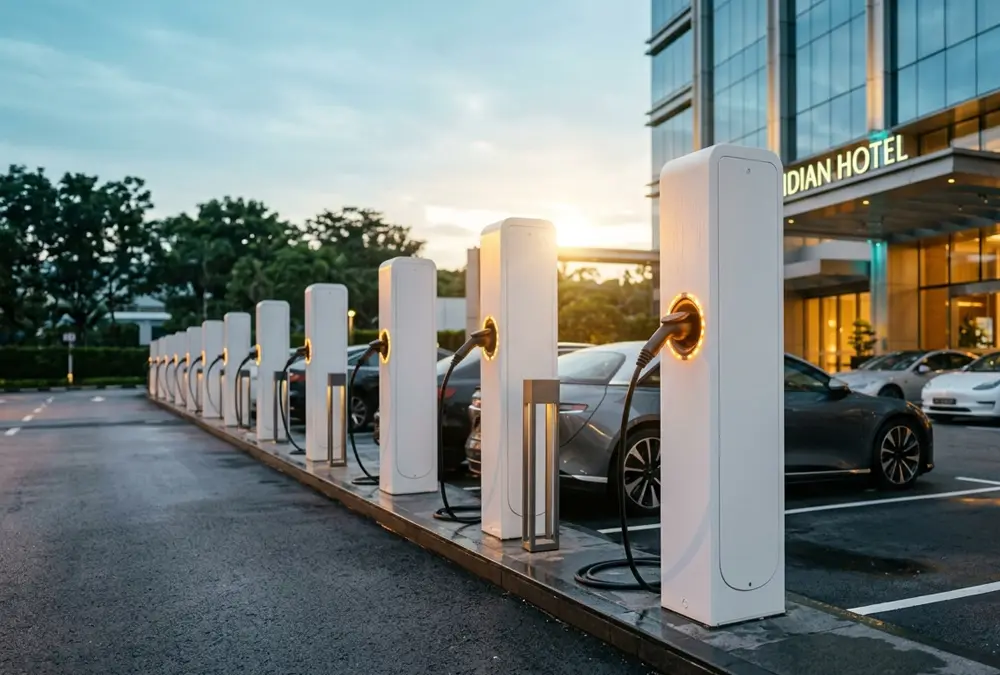
Position hotel parking charging station stalls near electrical rooms to shorten trenching and conduit runs. Ensure spaces feature visible directional signage, protective bollards, and bright night lighting for guest safety.
Plan for Future EV Charging Expansion
Avoid laying single-conduit runs. Always lay extra underground conduit during initial civil works so you can add more charging pedestals seamlessly as guest demand grows over the next 3 to 5 years.
Ensure Network Connectivity
Cloud management platforms require steady signals. Ensure your parking lot or underground parking garage has solid Wi-Fi coverage, hardwired Ethernet lines, or strong 4G/5G cellular connectivity.
Consider Safety and Accessibility Requirements
Install cable management retractor systems to prevent trip hazards on walkways. Ensure at least one EV charging bay complies with local ADA accessibility guidelines, featuring wider access aisles and lower screen heights.
How to Design an EV Charging Plan for a Hotel
Step 1: Analyze Hotel Guest and Parking Patterns
Audit total parking bay count, average daily occupancy percentages, peak guest check-in hours, and current EV driver inquiries to establish your baseline charging load profile.
Step 2: Determine the Number of EV Chargers
A good rule of thumb for modern hotels is converting 5% to 10% of total parking spaces into EV-ready charging bays, starting with 4 to 8 Level 2 plugs for medium-sized properties.
Step 3: Select AC, DC or a Hybrid Charging Network
Match charger speed to guest dwell time: AC Level 2 for overnight guest bays, and DC Fast Charging for short-stay retail, restaurant, or valet zones.
Step 4: Design Charging Load Management
Implement smart load-sharing software to cap maximum kilowatt output during peak hotel operating hours, protecting your building from costly demand spikes.
How Smart EV Charging Helps Hotels Reduce Energy Costs
Installing high-power chargers without smart controls can trigger severe utility penalties known as demand charges. Here is how smart infrastructure keeps operational costs flat.
Dynamic Load Balancing for Hotel EV Chargers
Dynamic load management software monitors overall building power draw in real time. When hotel electricity consumption drops late at night, the system safely directs available power capacity to connected EVs.
Smart Charging Schedules
Automate charging sessions to prioritize low-cost, off-peak utility hours (typically between 11 PM and 6 AM), reducing peak demand charges while still guaranteeing guests wake up to fully charged batteries.
Solar + BESS + EV Charging Solutions for Hotels
To achieve total energy independence, leading commercial properties pair solar PV arrays with an industrial Battery Energy Storage System (BESS) and EV chargers. This microgrid architecture stores clean solar energy generated during the day and dispatches it directly into electric vehicles at night, completely bypassing high peak utility tariffs.
Recommended Industrial BESS Products for Hotel Microgrids
Integrating battery storage allows hotels to install high-power DC fast chargers even on constrained local electrical grids. Depending on property size, consider these tailored battery energy storage options:
- 100kWh / 261kWh Commercial BESS Cabinet: Compact footprint ideal for mid-sized hotels looking to eliminate peak demand charges and power 2 to 4 Level 2 dual-port chargers. User Benefit: Smooths afternoon demand spikes, protecting your monthly electricity bill from costly peak penalties.
- 418kWh / 1MWh Utility-Scale Storage System: Heavy-duty liquid-cooled storage containers engineered for large resorts, highway hotel plazas, and sites running high-power DC fast chargers. User Benefit: Provides substantial emergency backup power for critical hotel operations during grid outages while maximizing solar self-consumption.
Battery Technology and Storage Alternatives Explained
Understanding the core energy technology inside modern BESS units empowers hotel buyers to evaluate equipment lifespan and safety profiles accurately.
Lithium Iron Phosphate (LFP / LiFePO4) Battery Chemistry
LFP is the preferred chemistry for commercial stationary storage. Unlike standard nickel-manganese-cobalt (NMC) batteries found in older electronics, LFP cells offer exceptional thermal stability, virtually zero thermal runaway risk, and an extended operational lifespan exceeding 6,000 deep charge-discharge cycles.
Alternative Storage Technologies vs. Battery Energy Storage Systems (BESS)
When evaluating peak shaving, hotels sometimes consider alternative solutions. Here is how BESS compares against traditional options:
| Technology / Alternative | Working Principle | Key Limitations for Hotels | Direct Advantage of Choosing LFP BESS |
|---|---|---|---|
| LFP BESS (Battery Energy Storage) | Electro-chemical storage using durable Lithium Iron Phosphate cells. | Requires dedicated outdoor footprint and initial CapEx investment. | Instantaneous power response (milliseconds), high round-trip efficiency (>90%), zero site emissions, and minimal maintenance requirements. |
| Diesel Generators | Internal combustion engine running on fossil fuel. | High noise, unpleasant fumes near guest rooms, slow ramp-up time, heavy maintenance, and fuel logistics. | BESS provides silent, instant power buffering without disrupting guest comfort or violating local noise ordinances. |
| Thermal Energy Storage (Ice Storage) | Freezes water at night to offset daytime air-conditioning cooling loads. | Only addresses HVAC cooling; cannot power EV chargers, lighting, or electronic systems. | BESS supplies versatile electrical energy that directly powers EV charging pedestals, kitchen equipment, and main building switchgear. |
How Much Does Hotel EV Charging Infrastructure Cost?
Budgeting a project requires looking beyond the price tag of the charger hardware itself.
EV Charger Equipment Cost
Commercial Level 2 dual-port chargers range from $1,500 to $4,500 per pedestal. DC fast chargers (50kW to 180kW) range from $18,000 to $55,000 depending on power output and screen options.
Electrical Installation Cost
Civil works, trenching, copper wiring, conduit runs, switchboard upgrades, and concrete pad casting typically add $2,000 to $10,000 per Level 2 port, and higher for DC fast charging stations.
Software and Network Costs
Cloud management platforms charge annual software subscription fees ranging from $100 to $300 per port per year for cellular data, billing gateway processing, and automated reporting.
Maintenance and Operating Costs
Budget roughly 3% to 5% of initial hardware costs annually for preventive maintenance, cable inspection, surface cleaning, and emergency repair dispatch services.
How Hotels Can Generate Revenue From EV Charging Stations
A modern hotel fleet EV charging solution can easily operate as a self-sustaining profit center.
Paid EV Charging
Charge guests directly via credit card or app based on active kilowatt-hours consumed ($/kWh) or total plug-in duration ($/hour), setting rates slightly above local utility electricity prices.
Complimentary Charging for Hotel Guests
Offer free charging vouchers at check-in as a premium perk for executive suite guests or direct-website booking promotions, offsetting equipment costs through higher overall room rates.
Charging + Parking Revenue Model
Bundle billing by charging standard hourly parking fees alongside electricity consumption, encouraging guests to move their cars once fully charged to keep stalls open.
Third-Party Public Charging
List your chargers on public charging networks during low-occupancy daytime hours, driving outside drivers into your hotel lobby, cafe, or restaurant while they top up.
Hotel EV Charging Solutions for Different Hospitality Properties
- Luxury Hotels & Resorts: High-power DC fast chargers combined with sleek Level 2 pedestals offer seamless valet integration and premium guest convenience.
- Business & Airport Hotels: Fast-turnover charging stations cater to busy corporate executives, rental car fleets, and short-stay business travelers.
- Highway & Roadside Hotels: Visible 120kW+ DC fast charging hubs attract long-distance EV road-trippers seeking a secure place to rest, eat, and recharge.
- Boutique & Urban Hotels: Compact wall-mounted Level 2 chargers maximize tight garage spaces while providing steady overnight charging.
Why Hotels Need a Future-Ready EV Charging Solution
EV technology moves fast. Building a flexible, future-ready EV charging infrastructure prevents expensive rip-and-replace retrofits down the road.
Build a Scalable Charging Network
Start with 4 smart chargers today, but engineer your electrical sub-panel and underground conduit to easily scale to 20+ plugs as vehicle adoption accelerates.
Integrate EV Charging With Hotel Energy Management
Connect your charging platform directly into your Building Management System (BMS), solar PV arrays, and battery energy storage to optimize total building energy consumption.
Prepare for Growing EV Adoption
As vehicle battery sizes expand, guest expectations for faster charging will increase. Modular hardware allows easy power module upgrades without replacing entire charging pedestals.
Why Choose AnengJi for Hotel EV Charging Solutions?
At AnengJi, we don’t just sell standalone charging boxes. We design, manufacture, and integrate complete, turnkey energy solutions engineered specifically for commercial hospitality environments.
Complete AC and DC EV Charging Portfolio
From sleek 7kW/22kW commercial AC wallboxes to high-power 180kW DC fast charging systems, AnengJi delivers reliable hardware built to withstand harsh outdoor conditions.
Smart Charging With Dynamic Load Balancing
Our proprietary OCPP cloud software and dynamic load management controllers protect your hotel’s main electrical grid, ensuring maximum charging speeds without expensive utility transformer upgrades.
Integrated EV Charging and Battery Energy Storage
As a true single-source provider of EV supply equipment and battery energy storage systems (BESS), AnengJi seamlessly combines solar PV, battery storage, and smart charging into one unified microgrid platform.
Customized Hotel EV Charging Projects
Our expert engineering team handles site audits, electrical load analysis, custom layout design, hardware supply, and commissioning support for hotel chains, resorts, and commercial parking operators globally.
Frequently Asked Questions About EV Charging Solutions for Hotels
Why should hotels install EV charging stations?
Installing EV chargers attracts high-spending EV drivers, boosts occupancy rates, increases direct bookings, creates new revenue streams, and helps satisfy corporate ESG sustainability goals.
What is the best EV charger for a hotel?
For overnight guests, 7kW to 22kW Level 2 AC chargers offer the best value. For highway hotels or high-turnover valet parking, 60kW to 120kW DC fast chargers are optimal.
Should hotels use Level 2 or DC fast chargers?
Most full-service hotels benefit from a hybrid model: Level 2 AC chargers in main overnight parking garages, paired with 1 or 2 DC fast chargers for quick guest top-ups near the lobby.
How many EV chargers does a hotel need?
A solid starting benchmark is converting 5% to 10% of total parking spaces into EV charging stalls, ensuring your panel design allows modular expansion in the future.
How much does it cost to install EV chargers at a hotel?
Level 2 commercial chargers generally cost $1,500 to $4,500 per port, plus installation. DC fast chargers range from $18,000 to $50,000+ per unit depending on power capacity.
Can hotels make money from EV charging stations?
Yes. Hotels generate revenue by setting billing tariffs based on energy consumed ($/kWh), charging duration ($/hour), or offering paid public charging access to non-staying visitors.
Can hotel EV chargers use NACS and J1772 connectors?
Yes. Modern commercial charging stations offer dual-cable options or integrated holsters featuring both NACS and J1772/CCS connectors to ensure full vehicle compatibility.
Can battery storage reduce the cost of hotel EV charging?
Absolutely. Installing a Battery Energy Storage System (BESS) stores low-cost energy during off-peak hours and buffers high-power EV charging spikes, preventing costly utility peak demand charges.
Upgrade Your Hotel With a Smarter EV Charging Solution
Ready to turn your hotel parking lot into a reliable profit center and magnet for EV travelers? Our engineering team is here to help you conduct a site electrical capacity audit, choose the ideal hardware mix, and design a scalable charging network customized for your property.