


battery energy storage system manufacturers in china
Battery Energy Storage Solutions
Covering Energy Storage Needs from 25kVA Home Systems to 5MW+ Modular Commercial & Industrial Solutions
Plug-and-Play Modular Energy Storage Systems
100kW–5MW. One platform. Every use case.
Our modular battery energy storage systems are built for commercial and industrial sites, off-grid microgrids, and hybrid energy projects.
They arrive ready to install. Ready to run. And ready to deliver real results.
Use them to shave peak demand.Keep critical loads online during outages.Store solar and other renewables instead of wasting excess power.
We do more than manufacture reliable energy storage equipment.We engineer complete BESS solutions.
From system design and equipment selection to on-site deployment and long-term optimization, our team supports your project at every stage—so your storage system performs the way it should, from day one.
Modular Design: Scale power and capacity as your project grows. Deploy faster. Expand without redesign.
Built-In Cost Savings: Automated demand charge management and energy price arbitrage reduce operating costs every day.
Ready for Any Scenario: Grid-connected, off-grid, or hybrid systems combining solar, storage, and diesel generation.
High Safety Standards: Certified to GB/T 36276、IEC62619、IEC63056、IEC 62933、IEC 62477-1、IEC61000-2/3/4、UL 1973、UL9540、UL9540A、UN 38.3.Built with long-life LiFePO₄ (LFP) battery cells for thermal stability and safety.
→ Explore Energy Storage Solutions for Your Industry
Our Battery Energy Storage Solutions

what is a battery energy storage system(BESS)?
A Battery Energy Storage System (BESS) is a critical asset for power system control and flexibility.
It connects to the AC grid through a voltage-source power conversion system (PCS), enabling bidirectional flow of both active and reactive power.
This allows the system to charge, discharge, and support grid operation as needed.
A typical BESS consists of batteries, a power conversion system (PCS), a battery management system (BMS), and an energy management system (EMS).
Most systems follow a multi-level integration structure, moving from individual cells to modules, racks, and full battery strings.
This architecture improves safety, scalability, and long-term system stability.
During operation, the system charges when electricity supply is abundant—such as during peak solar generation or strong nighttime wind output.
It discharges during periods of high demand or elevated electricity prices, helping reduce peak loads and optimize energy costs.
AnengJi’s difference: Complete solutions for battery storage
We bring batteries, PCS, EMS, backup generators, and control logic together into one tightly integrated system. Each solution is designed around your specific power use case, so it arrives ready to run. No need to coordinate multiple suppliers. No concerns about system compatibility. One complete system, delivered end to end, with long-term support built in.
Full Scenario Coverage
From 25kVA residential systems to 1MW+ commercial and industrial energy storage, our solutions scale easily. They support microgrids, peak shaving, load shifting, and backup power across different use cases.
Full-Stack Delivery
Each system combines LFP batteries, high-efficiency PCS, an intelligent EMS, and a remote monitoring platform. We provide one-stop delivery, from system design to long-term operation.
Fast Response and Deployment
Supported by a global service network, we move fast. Custom solutions are ready within 48 hours, and standard products ship in as little as two weeks, helping shorten project timelines.
Enabling Low-Carbon Growth
High cycle efficiency and intelligent energy control improve renewable energy use while reducing energy costs and carbon emissions, supporting ESG and carbon-reduction goals.
Battery Energy Storage Project
We operate with an annual production capacity of 4 GWh and have delivered over 800 MWh of battery energy storage systems worldwide. Our teams are based across Europe—including the Netherlands, Germany, Poland, and Italy—as well as the Middle East and Southeast Asia, allowing us to provide fast, local technical support when it matters most.
Our projects span commercial and industrial energy storage, renewable energy integration, microgrids, and grid-side BESS applications. Each system is designed to lower energy costs, improve operational efficiency, and support a practical path to decarbonization. Below are selected examples from our global battery energy storage projects.
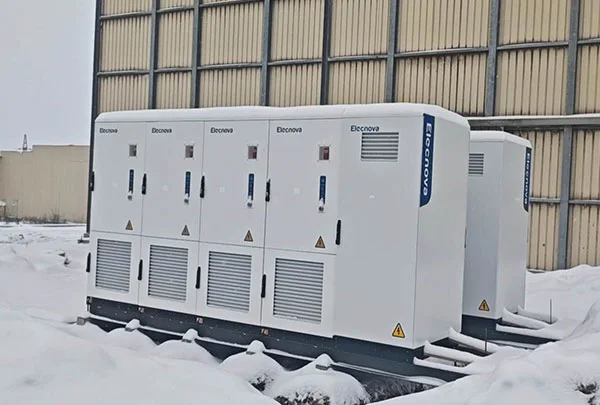
1MW2MWh Commercial and Industrial Energy Storage Cabinet for Ukrainian Farm Project
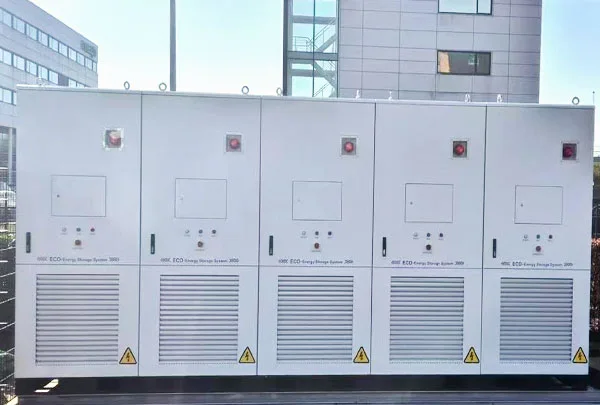
500KW 1165KWh Commercial and Industrial Energy Storage Solution for New Zealand Project
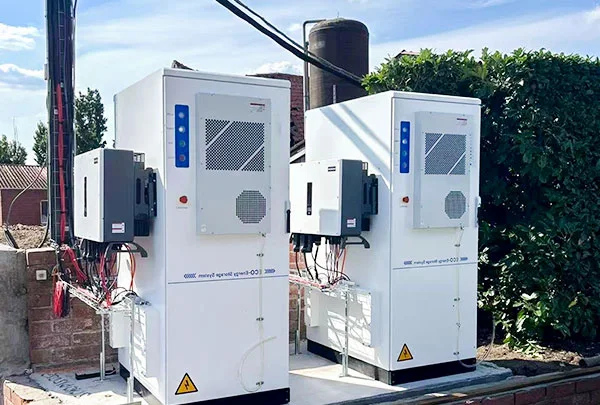
100KW214KWh Photovoltaic Storage DC-Coupled Backup Power System Belgium Project
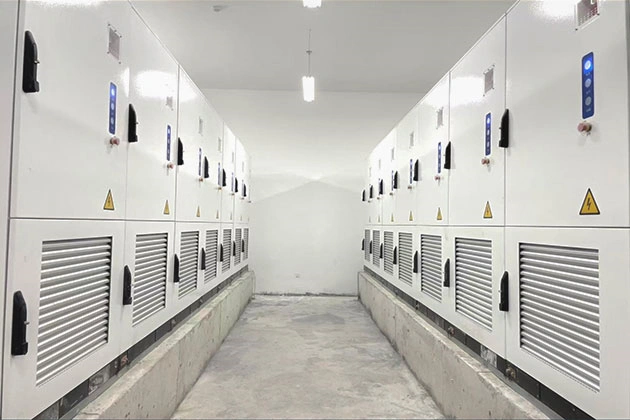
Build a Smarter Energy System with Us
Our battery energy storage systems (BESS) help you use power more efficiently and stay in control.
With modular, configurable designs, each system is tailored to the needs of your site and can support a wide range of on-site applications, including:
- Temporary power supply
- Power distribution
- HVAC systems
- Cooling and refrigeration
- Compressed air systems
Whether your goal is to increase renewable energy usage, reduce peak demand, or secure reliable backup power, our experienced team works closely with you to deliver a complete energy storage solution that supports your day-to-day operations and long-term performance goals.
What Is Battery Energy Storage?
Battery energy storage is a way to store electricity in rechargeable batteries and use it later when power is needed. It helps balance supply and demand, keeps the grid stable, and makes renewable energy more reliable. Today, battery energy storage systems (BESS) are a core part of modern power infrastructure—from commercial facilities to utility-scale projects.
What Are the Benefits of Battery Energy Storage Systems?
Battery energy storage systems offer clear, real-world advantages:
Grid stability:BESS responds instantly to frequency changes, helping stabilize the power grid and reduce outages.
Peak shaving and cost savings:Electricity is stored when prices are low and discharged during peak hours. This helps cut demand charges and lower overall energy bills.
Backup power:During outages, battery storage provides reliable power for critical loads, keeping operations running.
Better use of renewable energy:Excess solar and wind power can be stored instead of wasted. This reduces curtailment and increases renewable energy utilization.
What Types of Batteries Are Used in Energy Storage Systems?
Different applications use different battery technologies:
Lithium-ion batteries:The most widely used option. High energy density, long cycle life, and high efficiency make lithium-ion ideal for commercial and utility-scale storage.
Lead-acid batteries:Lower upfront cost but shorter lifespan and lower energy density. Often used for small off-grid systems or basic backup power.
Flow batteries:Designed for long-duration energy storage. They support deep charge and discharge cycles and are well suited for large-scale, long-hour applications.
Can Battery Energy Storage Be Integrated with Renewable Energy?
Absolutely.
Battery storage is essential for connecting solar and wind power to the grid. It stores excess energy when generation is high and releases it when demand rises or renewable output drops.
This improves energy efficiency, smooths power fluctuations, and makes renewable systems more stable and dependable.
What Is a Hybrid Energy Solution?
A hybrid energy solution combines multiple power sources with battery storage to create a more efficient and resilient energy system.
Typical configurations include:
- Multi-fuel generators supporting diesel, natural gas, or both
- Battery energy storage systems to store excess power and smooth output
- Supporting systems such as remote monitoring, control software, and HVAC
Most hybrid systems are delivered in containerized designs. They are easy to transport, quick to install, and ready to operate with minimal on-site work.
How Does a Battery Energy Storage System Work?
A battery energy storage system operates in three main steps:
Energy charging
Electricity is drawn from the grid or on-site generation. It is converted to DC power through an inverter and stored in the batteries.
Energy discharging
When power is needed, stored DC energy is converted back to AC power and supplied to loads or fed into the grid.
Smart energy management
An Energy Management System (EMS) continuously monitors load demand, electricity prices, and system status. It automatically controls charging and discharging to maximize savings and performance.