
Introduction
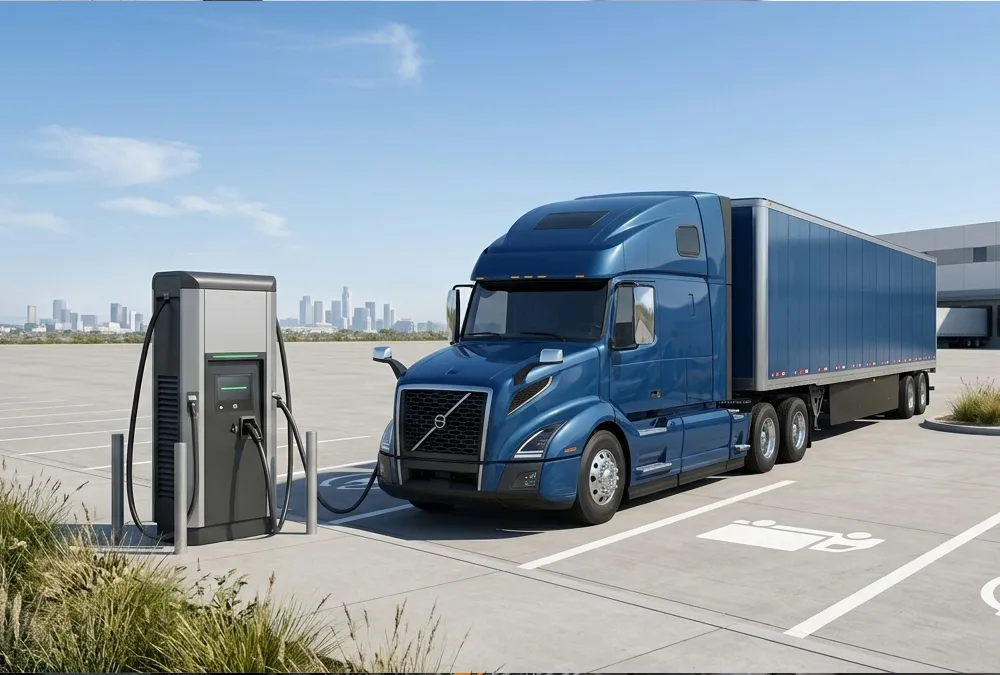
The Megawatt Charging System is revolutionizing heavy-duty vehicle electrification across modern transport networks. Fleet operators face strict zero-emission mandates and rising diesel costs. Transitioning heavy trucks to electric power requires unprecedented charging speed and grid infrastructure. Standard chargers simply take too long to recharge commercial vehicle battery packs. This high-power charging platform solves the core operational bottleneck for long-haul transport.
Adopting megawatt-level charging requires careful power system planning. Many logistics managers ask: Will this technology overload my regional utility transformer? Can integrated energy storage eliminate expensive local grid upgrades? This comprehensive engineering guide explores technical standards, battery integration, and practical fleet deployment strategies.
What Is a Megawatt Charging System (MCS)?
Navigating commercial vehicle charging standards can feel overwhelming. Understanding the fundamental architecture of megawatt charging clarifies your long-term equipment selection.
Megawatt Charging System Definition and Purpose
The Megawatt Charging System (MCS) is an ultra-fast charging standard. The Charging Interface Initiative (CharIN) engineered this global protocol. It delivers up to 3.75 MW of direct current power. That equates to a maximum current of 3,000 Amps at 1,250 Volts DC.
It specifically serves heavy-duty transport assets:
- Electric trucks: Class 6, 7, and 8 commercial haulers.
- Heavy-duty vehicles: Mining haulers, construction rigs, and terminal tractors.
- Commercial fleets: Regional logistics vehicles and long-distance coaches.
The core goal is delivering megawatt-level charging power safely. It drastically reduces charging time while boosting daily fleet productivity.
Why Was the Megawatt Charging System Developed?
Traditional electric vehicle charging technology was designed for passenger cars. Standard CCS charging systems top out near 350 kW to 400 kW.
Commercial trucks carry massive batteries ranging from 400 kWh to over 1,000 kWh. Charging a 600 kWh battery using CCS2 requires over ninety minutes. That causes unacceptable fleet downtime.
The MCS charging standard eliminates this operational barrier. It fulfills the needs of long-haul electric trucks and heavy transport electrification. Fleet operators can now charge vehicles during mandatory driver rest breaks.
Why Is Megawatt Charging System Important for Heavy-Duty Electric Vehicles?
Heavy transport relies on continuous vehicle availability. High-power infrastructure unlocks profitability for zero-emission logistics fleets.
Meeting the Charging Needs of Electric Trucks
Heavy trucks carry huge battery packs to maintain long driving range. Their daily energy demand regularly exceeds 800 kWh.
Standard DC fast charging infrastructure creates lengthy bottlenecks. Slow charging stops keep vehicles parked when they should be hauling freight. MCS delivers an effective electric truck charging solution that meets intense transport schedules.
Reducing Downtime and Improving Fleet Productivity
In commercial transport, vehicle downtime equals lost revenue. Long resting periods at depot chargers hurt operational yield.
MCS chargers deliver 1MW EV charging station power directly into truck batteries. Drivers replenish 80% battery capacity in under thirty minutes. Shorter charging windows enable more daily trips, lower total cost of ownership, and better fleet utilization.
Supporting the Future of Electric Commercial Transportation
Legislation is accelerating zero-emission transport transition. The European Union AFIR Regulation 2023/1804 mandates high-power charging corridors every 60 km by 2030. MCS provides the foundation for electric trucks, electric buses, and heavy industrial vehicles worldwide.
How Does a Megawatt Charging System Work?
Delivering thousands of amperes safely requires advanced electrical engineering. The system coordinates power conversion, thermal control, and digital software seamlessly.
MCS Charging Architecture and Main Components
A complete Megawatt Charging System infrastructure relies on four core subsystems:
Engineering Answer: Not necessarily. Modular power cabinets allow gradual power scaling without replacing main site distribution boards.
Power Conversion System
High-efficiency Power Conversion Systems (PCS) turn grid AC power into stable DC output. Advanced silicon carbide (SiC) power modules achieve over 97% energy conversion efficiency. They dynamically balance output voltage and current to match battery pack requirements.
Charging Connector and Cable System
Conducting 3,000 Amps generates massive electrical heat. High-current MCS connectors utilize active liquid cooling throughout the cable and contact pins. Closed-loop liquid cooling keeps cable diameter small and lightweight for easy manual handling by drivers.
Energy Management System (EMS)
The Energy Management System acts as the intelligent brain. It monitors site power consumption, manages load distribution, and coordinates grid interaction. Smart EMS software prevents sudden demand spikes from tripping site circuit breakers.
How Fast Is Megawatt Charging Compared with Traditional EV Charging?
Comparing power levels highlights the dramatic jump in high power EV charging capability.
How Much Power Can a Megawatt Charging System Deliver?
MCS scales charging capability far beyond legacy standard equipment. See the comparison table below for operational differences:
| Charging Standard | Max Power Output | Max Current | Primary Target Vehicles | Direct Value & Advantage to Buyer |
|---|---|---|---|---|
| AC Commercial Charging | 7 kW – 22 kW | 32 A – 80 A | Passenger cars, light vans | Lowest hardware cost. Perfect for overnight parking at office depots. |
| CCS2 DC Fast Charger | 150 kW – 400 kW | 350 A – 500 A | Electric buses, regional delivery vans | Proven reliability. Ideal for short fleet top-ups during loading cycles. |
| Megawatt Charging System (MCS) | 1,000 kW – 3,750 kW | 1,000 A – 3,000 A | Heavy-duty trucks, coaches, mining rigs | Maximum vehicle turnaround speed. Matches diesel refueling habits completely. |
How Long Does MCS Charging Take?
Actual charging speed depends on four primary parameters:
- Overall battery pack capacity (kWh).
- Maximum vehicle acceptance power rate.
- Real-time battery temperature state.
- Available charging station output power.
An electric truck megawatt charger replenishes a 600 kWh battery pack from 10% to 80% in just 15 to 20 minutes. It closely mirrors traditional diesel fuel pump turnaround times.
Why Charging Speed Matters for Commercial Fleets
Commercial transport operators focus strictly on vehicle uptime, route efficiency, and operating costs. Fast turnaround keeps drivers on schedule without exceeding regulatory driving hours.
What Vehicles Use Megawatt Charging Systems?
MCS technology serves heavy industrial transport applications across land, water, and air.
Electric Long-Haul Trucks
Class 8 heavy trucks hauling freight across highway corridors require fast turnaround. MCS enables true zero-emission intercity logistics networks.
Heavy-Duty Commercial Vehicles
Mining haul trucks, port terminal tractors, and heavy construction equipment operate under demanding duty cycles. High-power Megawatt EV charging infrastructure solution units keep these industrial assets working continuously.
Electric Buses and Large Battery Vehicles
Municipal bus transit networks and long-distance passenger coaches rely on high-capacity charging. MCS supports rapid depot charging and route terminal top-ups.
MCS vs CCS: Will Megawatt Charging Replace CCS2?
A common fleet management question: Will MCS render CCS2 equipment obsolete?
MCS and CCS2 Serve Different Charging Applications
MCS is not designed to replace CCS2. CCS2 remains the cost-effective standard for passenger cars and light commercial vans. MCS targets high power demand vehicles requiring massive current throughput.
Can MCS Work Together with CCS Charging Infrastructure?
Future fleet depots will deploy hybrid infrastructure layouts. Operators can install CCS chargers for overnight parking alongside MCS stations for rapid daytime vehicle turnaround.
Is the MCS Connector Compatible with CCS Connectors?
The MCS charging connector uses a specialized physical inlet geometry. It handles up to 1,250V DC safely. While physically distinct from CCS, both standards utilize ISO 15118 communication protocols for automated digital handshakes and smart charging system software.
What Are the Key Technologies Behind Megawatt Charging Connectors?
High current throughput demands specialized thermal safety engineering inside every cable assembly.
Liquid-Cooled MCS Charging Connectors
Pushing 3,000 Amps generates extreme thermal stress. Liquid-cooled MCS connectors circulate specialized coolant through inner copper cables and terminal pins. Active thermal management guarantees stable power transfer without overheating risks.

High Current Charging Safety Features
Safety systems include continuous temperature monitoring sensors, automated isolation interlocks, and emergency shutdown circuits. The handle includes a hardware override switch for safe manual disconnects.
How Can Fleets Integrate Megawatt Charging Systems?
Successful commercial vehicle charging deployment requires aligning charging hardware with fleet operating schedules.
Depot Charging for Electric Truck Fleets
Logistics depots provide controlled environments for overnight and shift-change charging. Depot charging infrastructure optimizes power distribution across parked vehicles.
Route-Based Charging Infrastructure
Public highway charging hubs require ultra fast EV charger stations. Strategic corridor chargers enable long-distance heavy transport between major distribution centers.
Smart Fleet Charging Management
Combining hardware with automated scheduling software prevents operational disruptions. Software organizes charging slots based on vehicle route priority and battery state.
What Software Supports Megawatt Charging Systems?
Intelligent software orchestration is critical when managing megawatt-scale power demands.
Charging Point Management System (CPMS)
CPMS software manages live hardware diagnostics, user access authorization, and payment processing across commercial vehicle charging assets.
Fleet Charging Management Platform
Fleet platforms tie vehicle telemetry to charging schedules. Logistics managers track state-of-charge, driver behavior, and real-time energy usage across all vehicles.
Energy Management and Load Balancing Software
EMS software performs active dynamic load management. It caps total facility electricity draw below utility grid thresholds, protecting site infrastructure from expensive demand charges.
What Grid Infrastructure Does Megawatt Charging Require?
Installing megawatt charging hubs places intense local demand on electrical grid infrastructure.
High-Capacity Grid Connection
A multi-bay MCS site can draw upwards of 5 MW to 10 MW. Obtaining medium-voltage grid connections requires careful coordination with local electric utility companies.
Transformers and Electrical Equipment Upgrades
Depot sites frequently require medium-voltage transformers, specialized switchgear, and dedicated power distribution panels to support high-power DC fast charging system installations.
Battery Energy Storage Systems for MCS Charging
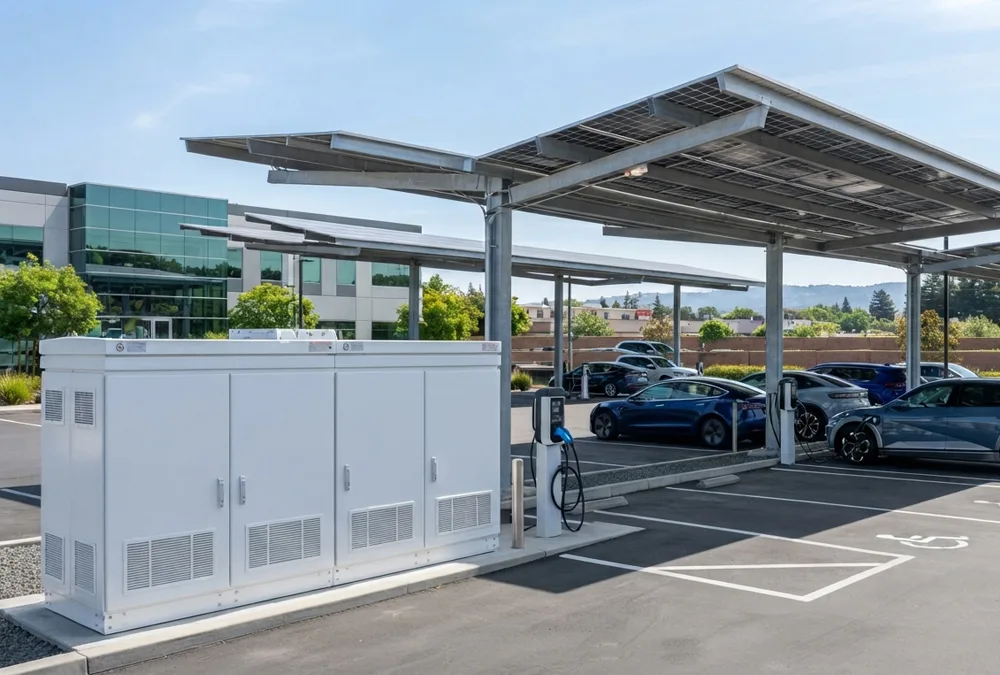
Grid expansion delays can stall commercial vehicle projects for over eighteen months. Integrating industrial Battery Energy Storage Systems (BESS) solves grid capacity bottlenecks immediately.
BESS units act as power buffers. They charge slowly during off-peak hours and discharge rapidly to support MCS fast-charging surges. This strategy eliminates utility demand penalty charges and cuts peak electricity costs.
Recommended Industrial Energy Storage Solutions
Deploying energy storage alongside MCS chargers requires selecting the right battery capacity:
- 100kWh Industrial BESS: Compact outdoor storage cabinet. Perfect for small fleet depots smoothing out peak demand charges. Uses air-cooled LFP cells for low maintenance.
- 261kWh Liquid-Cooled BESS: High-density energy storage unit. Ideal for commercial charging locations. Liquid cooling extends cell cycle life and ensures high thermal stability under heavy fast-charging loads.
- 418kWh Commercial BESS: Heavy-duty modular storage unit. Provides high power output for continuous multi-truck charging sessions while supplying backup facility power.
- 1MWh Containerized BESS: Utility-scale containerized energy storage system. Perfect for major highway charging hubs, logistics ports, and large electric truck depots needing megawatt-level buffer capacity.
| BESS Model | Target Application | Core Technology | Direct Value & Advantage to Buyer |
|---|---|---|---|
| 100kWh Outdoor BESS | Light commercial fleets, local delivery hubs | LFP Chemistry, Air-Cooled, Integrated BMS | Low entry cost. Eliminates local peak demand penalties on standard commercial tariffs. |
| 261kWh Liquid-Cooled BESS | Medium truck depots, retail fleet hubs | LFP Chemistry, Liquid-Cooled Enclosure | Doubles cell lifespan under high ambient temperatures. Supports rapid power discharge cycles. |
| 418kWh Heavy BESS | Large logistics parks, regional distribution centers | Modular Architecture, Active Fire Protection | Scalable energy capacity. Ensures continuous truck charging during local grid outages. |
| 1MWh Utility Container | Highway MCS hubs, mining sites, heavy truck ports | 20ft Containerized LFP, Integrated PCS/EMS | Bypasses 18-month utility grid upgrade delays. Unlocks grid arbitrage and demand response revenue. |
Understanding Battery Technology Options
Lithium Iron Phosphate (LFP) chemistry is the industry gold standard for stationary commercial storage. LFP offers exceptional fire safety, non-toxic materials, and long service life exceeding 6,000 thermal cycles.
Unlike traditional Nickel Manganese Cobalt (NMC) cells used in older cars, LFP handles daily deep discharge cycles without thermal degradation. Emerging Sodium-Ion (Na-Ion) batteries offer alternatives for extreme cold climates down to -20°C, though LFP remains the undisputed ROI leader for industrial installations.
Where Will Megawatt Charging Stations Be Installed?
High-power commercial vehicle infrastructure deployment targets key transit corridors and heavy industrial hubs.
Highway Charging Hubs
Strategic locations along major highway corridors provide fast energy replenishment for long-haul interstate electric trucks.
Fleet Depots and Logistics Centers
Distribution centers provide predictable vehicle schedules. Installing MCS charging infrastructure optimizes fleet operations in a controlled environment.
Ports, Mining Sites and Industrial Facilities
Ports and mines run continuous heavy machinery. MCS stations provide rapid power delivery for electric haul trucks and heavy equipment.
Challenges of Deploying Megawatt Charging Systems
Deploying megawatt charging infrastructure involves technical hurdles that require experienced consulting partners.
High Power Demand and Grid Constraints
Adding megawatt loads stresses local grid connections. Pairing MCS hardware with intelligent EMS and BESS energy storage buffers heavy power spikes smoothly.
High Initial Investment
Capital expenses include chargers, civil works, power transformers, and storage hardware. However, lower electricity rates and diesel fuel savings yield rapid project paybacks.
Standardization and Vehicle Compatibility
Transitioning to unified global standards requires verified interoperability between charger suppliers and vehicle manufacturers.
Megawatt Charging System and the Future of Electric Transportation
The transition toward zero-emission commercial transport is moving faster than ever.
Accelerating Heavy-Duty Vehicle Electrification
MCS technology enables fleet electrification across sectors once deemed impossible for battery power.
Integration with Renewable Energy and Energy Storage
Combining Solar PV arrays with industrial BESS and MCS chargers creates self-sustaining green energy microgrids. Fleet operators generate clean solar power during the day and dispense it directly into electric trucks.
Building the Next Generation of High-Power Charging Networks
Connected, intelligent charging hubs will power the future of commercial logistics, lowering transportation carbon footprints globally.
Why Choose AnengJI for High-Power EV Charging Solutions?
AnengJI supplies fully integrated EV charging and industrial battery energy storage solutions engineered for commercial fleets.
Complete EV Charging and Energy Storage Solutions
AnengJI manufactures certified DC fast chargers, modular power cabinets, and turnkey BESS enclosures built for heavy industrial usage.
Integrated MCS-Ready Energy Management Solutions
Our solutions integrate PCS power electronics, intelligent BMS controllers, and smart EMS software. We help fleet operators minimize grid upgrade costs and optimize energy efficiency.
Customized Solutions for Commercial Fleets
We deliver tailored hardware and microgrid layouts for logistics depots, retail plazas, and highway charging corridors.
Frequently Asked Questions About Megawatt Charging System
What is a Megawatt Charging System?
The Megawatt Charging System (MCS) is an ultra-fast DC charging standard designed to deliver up to 3.75 MW of power for heavy-duty electric commercial vehicles.
How powerful is an MCS charger?
An MCS charger delivers between 1,000 kW (1 MW) and 3,750 kW (3.75 MW) of continuous power at currents up to 3,000 Amps.
How fast can MCS charge an electric truck?
MCS charges a heavy-duty electric truck battery (400 kWh – 600 kWh) from 10% to 80% in approximately 15 to 20 minutes.
Will MCS replace CCS2?
No. CCS2 remains the standard for passenger cars and light commercial vehicles. MCS serves heavy trucks, buses, and industrial transport.
Are MCS connectors liquid cooled?
Yes. MCS charging connectors and cable assemblies feature active internal liquid cooling to safely manage heat generated by high current throughput.
What vehicles use MCS charging?
Class 6-8 heavy trucks, municipal electric buses, mining haulers, port tractors, and specialized electric marine or aviation vessels use MCS.
Does MCS require battery storage?
While not mandatory, pairing MCS with a Battery Energy Storage System (BESS) prevents high utility grid upgrade fees and mitigates peak demand charges.
How much does a Megawatt Charging System cost?
Costs vary depending on total site megawatt output, power modules, liquid cooling systems, and integrated BESS energy storage capacities.
Deploy Your Megawatt Charging Solution with AnengJI
Ready to electrify your commercial fleet or deploy high-power charging infrastructure? The AnengJI engineering team provides complete site evaluation, equipment selection, and customized solar-storage-charging designs.