Electric Vehicle (EV) adoption is growing rapidly, and with this surge, the demand for convenient and reliable charging solutions is increasing. Charging stations for electric vehicles generally come in three different levels: Level 1, Level 2, and Level 3 (DC Fast Charging). While all of these charging stations have their place in the charging ecosystem, Level 1 and Level 2 chargers are the most commonly used for home and public installations.
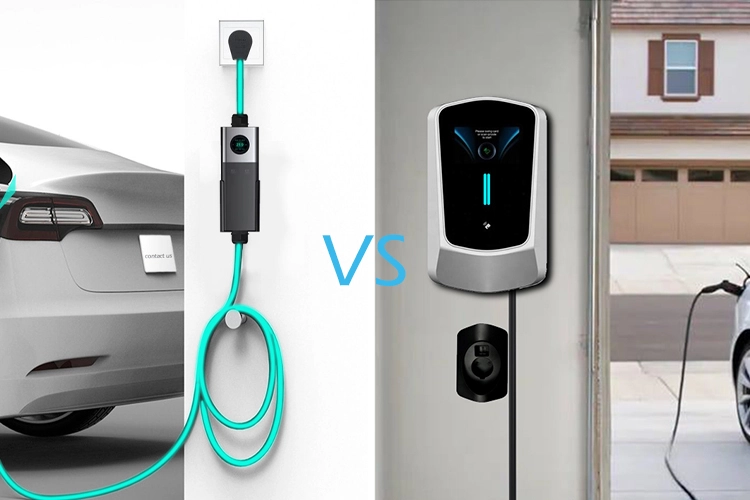
In this article, we’ll compare Level 1 and Level 2 EV chargers to help you understand the differences in terms of charging speed, installation requirements, cost, and practical applications. Whether you’re a home EV owner or a business considering EV charging infrastructure, this comparison will provide valuable insights into choosing the right charging solution for your needs.
1. What is Level 1 Charging?
Definition:
Level 1 charging is the slowest form of charging for electric vehicles. It uses a standard 120V AC (alternating current) outlet, similar to the ones used for everyday household appliances. This level is primarily intended for home use and is the most accessible and low-cost option for EV owners.
Charging Speed:
Power Output: 1.4–1.9 kW
Charging Rate: Adds about 2 to 5 miles of range per hour of charging.
Time to Fully Charge: For an average EV, it can take 20 to 40 hours to fully charge, depending on the vehicle’s battery capacity.
Installation Requirements:
No specialized equipment required. Simply plug the EV into a regular household 120V outlet.
It requires no upgrades to the electrical system for most homes, which makes it the easiest and most affordable charging solution to implement for casual users.
Cost:
Hardware Cost: $300 to $600 for a Level 1 EVSE (Electric Vehicle Supply Equipment) unit, though the standard wall outlet is often included.
Installation Cost: Typically no installation cost if using a standard home outlet, making it the most affordable option in terms of upfront investment.
Electricity Costs: Charging at home with Level 1 generally results in low electricity bills, as the power consumption is minimal.
Ideal Use Case:
Level 1 charging is best suited for overnight charging for EV owners who drive fewer miles on a daily basis or do not need to top off their battery during the day.
It’s ideal for those who have ample time to charge (overnight or over multiple days).
2. What is Level 2 Charging?
Definition:
Level 2 charging utilizes a 240V AC outlet, which is commonly found for large appliances like electric dryers or ovens. These chargers are faster and more efficient than Level 1 chargers and are widely used in public charging stations, homes, and workplaces.
Charging Speed:
Power Output: 3.3–19.2 kW (depending on the charger and the vehicle’s compatibility)
Charging Rate: Adds about 10 to 60 miles of range per hour, depending on the charger’s output.
Time to Fully Charge: A typical full charge can take anywhere between 4 to 8 hours, with some high-output chargers providing a quicker recharge time.
Installation Requirements:
Specialized Equipment: Level 2 chargers require a 240V outlet or dedicated circuit, which often requires an electrical system upgrade.
An electrician is usually required to install the charging station, which involves running a new circuit or upgrading an existing one.
Cost:
Hardware Cost: $500 to $2,000 for a Level 2 charging unit (depending on the model and features such as smart connectivity).
Installation Cost: Installation costs can range from $300 to $1,500, depending on the complexity of the installation and the need for circuit upgrades.
Electricity Costs: Charging with Level 2 uses more electricity compared to Level 1, leading to slightly higher electricity bills, but the cost is still relatively low compared to gas-powered vehicles.
Ideal Use Case:
Level 2 charging is perfect for daily charging at home for EV owners with longer commutes or higher daily mileage.
It’s also a great solution for businesses that want to provide employees or customers with fast and efficient charging options during work hours or while shopping.
Public charging stations typically use Level 2 chargers due to their balance of speed and cost.
3. Key Differences Between Level 1 and Level 2 Charging
Charging Speed:
Level 1: Adds only 2 to 5 miles of range per hour, making it suitable for EV owners with low daily mileage or those who can afford long charging periods (overnight).
Level 2: Adds 10 to 60 miles of range per hour, significantly faster than Level 1 and ideal for regular, faster recharging.
Cost of Installation:
Level 1: Has no installation cost if you already have a 120V outlet. It’s a plug-and-play solution.
Level 2: Requires installation by an electrician and possibly an electrical system upgrade, making it a more expensive option.
Power Requirements:
Level 1: Uses a standard 120V household outlet, making it the most accessible and simple.
Level 2: Requires a 240V outlet or dedicated circuit, which may need electrical system upgrades.
Charging Time:
Level 1: 20 to 40 hours for a full charge, depending on battery size.
Level 2: 4 to 8 hours for a full charge, depending on the vehicle and charger capacity.
Portability:
Level 1: Highly portable. Can be used anywhere with a standard outlet, including in most homes and RVs.
Level 2: Less portable due to the need for a dedicated outlet or electrical upgrades.
4. Which Charging Level is Right for You?
Level 1 is Best for:
Casual Drivers: If your daily commute is short (less than 20–30 miles), Level 1 charging at home will meet your needs. It’s the most cost-effective and easiest solution if you have access to a regular outlet.
Limited Space: If your home does not have space for a dedicated 240V outlet, or you are renting and cannot modify the electrical system, Level 1 is your best bet.
Low Power Demand: If you don’t need to charge quickly and your battery size is manageable (e.g., short-range EVs), Level 1 will suffice.
Level 2 is Best for:
High Mileage Drivers: If you have a longer commute or often take road trips, Level 2 charging allows you to quickly recharge and ensures you never have to worry about running out of charge during the day.
Home Charging Stations: If you own your home and want a faster charging solution, a Level 2 charger is an excellent investment.
Public Charging: If you need to charge your vehicle quickly while at work, a shopping center, or while traveling, Level 2 chargers are the most common and efficient public charging stations.
5. Conclusion
When considering which EV charging solution to use, it’s essential to weigh the pros and cons of both Level 1 and Level 2 charging. For those with limited daily driving needs or a tight budget, Level 1 charging is a straightforward, cost-effective solution. However, if you require faster charging and have a higher daily mileage or frequently use your EV, Level 2 charging offers a far more efficient and convenient option.
Both options have a crucial place in the EV charging ecosystem, and the right choice depends on your unique needs and circumstances. Whether you’re looking to install a Level 2 charger at home, set up public charging stations, or choose the best option for your business, understanding the core differences between Level 1 and Level 2 charging will ensure that you’re making the best investment for your situation.

CTA (Call to Action)
If you’re considering setting up a Level 2 charging station for your home or business, Anengjienergy provides custom EV charging solutions designed for efficiency, reliability, and scalability. Contact us today to discuss your EV charging needs and get a personalized quote!