1. The Rise of Commercial EV Charging Stations
As electric vehicle (EV) adoption accelerates globally, the demand for commercial EV charging stations is growing exponentially. Governments, businesses, and fleet operators are rapidly investing in infrastructure to meet the needs of a cleaner, electrified transportation future.
A commercial EV charging station is no longer just a convenience — it’s a strategic asset that attracts EV drivers, enhances brand image, and contributes to sustainability goals. By 2030, global deployment of commercial EV charging infrastructure is expected to surpass 60 million units, driven by public–private partnerships and renewable energy integration.
2. What Is a Commercial EV Charging Station?
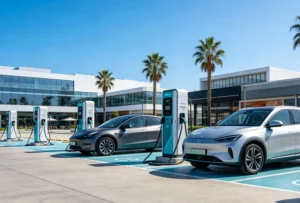
A commercial EV charging station is designed for higher power output and multi-user access, unlike residential units built for private use. These stations support cars, buses, and delivery fleets in commercial areas such as:
Shopping centers
Office complexes
Fleet depots
Parking lots
Hotels and service stations
A standard commercial EV charger can be either:
Level 2 AC Charger (7 kW – 22 kW) – Common in workplaces and public parking areas.
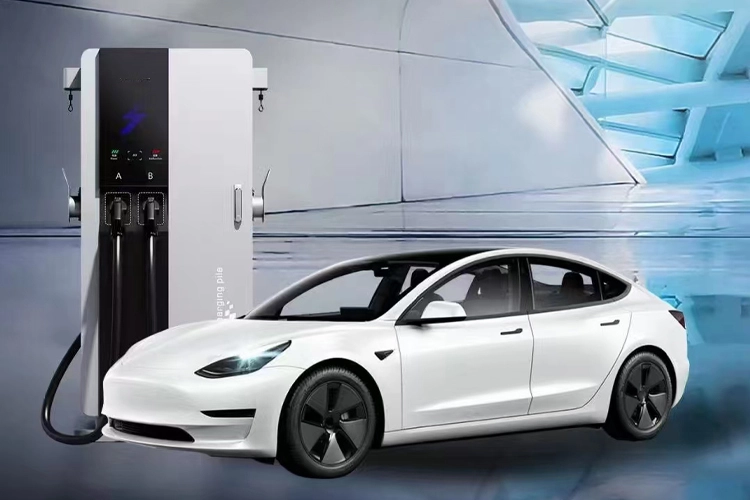
DC Fast Charger (60 kW – 360 kW +) – Enables ultra-fast charging, ideal for highways and logistics fleets.
These commercial charging stations often include smart billing systems, cloud monitoring, and energy-management capabilities for seamless operation.
3. How Much Does a Commercial EV Charging Station Cost?
Many businesses ask: “How much does a commercial EV charging station cost?”(View this article)
The total investment depends on power rating, features, installation complexity, and energy supply. On average:
Level 2 commercial EV charger: USD 2,000 – 7,000 per unit (plus installation).
DC fast commercial EV charging station: USD 25,000 – 100,000 + per site.
Other cost factors include:
Electrical upgrades and trenching
Networking software and cloud access
Payment terminals (RFID, app, credit card)
Permits and safety compliance
Despite higher upfront costs, the long-term returns from commercial EV charging can be significant. Businesses earn revenue per kWh or session, attract premium customers, and strengthen their ESG performance.
4. Commercial EV Charging Stations for Sale: Market Availability
With rising global demand, many suppliers now offer commercial EV charging stations for sale. Buyers should evaluate:
Power output and charging speed
Compatibility with CCS, CHAdeMO, and GB/T standards
Durability and safety certifications (UL, CE, RoHS)
Network connectivity (OCPP 1.6/2.0.1)
Smart features such as dynamic load balancing
Manufacturers are developing scalable solutions where multiple commercial EV chargers can operate within one centralized system — ideal for business campuses, fleet operators, and municipalities.
5. Why Invest in a Commercial EV Charger?
Installing a commercial EV charger offers numerous benefits:
Revenue Stream: Businesses can charge per use or offer subscription-based charging.
Customer Attraction: EV drivers prefer destinations offering convenient EV charging commercial services.
Sustainability: Supports environmental goals and corporate responsibility initiatives.
Future Readiness: Prepares infrastructure for the ongoing electrification of transport.
Whether you manage a retail chain, industrial park, or fleet, deploying commercial EV charging stations increases value and market competitiveness.
6. Case Studies and Global Development
Europe – Governments incentivize commercial EV charging through tax rebates and green-mobility funds. Networks such as Ionity and BP Pulse are expanding 350 kW ultra-fast corridors.
United States – The NEVI program allocates billions in grants for public and commercial charging stations along interstate highways. Retail chains integrate commercial EV chargers to attract eco-conscious shoppers.
Asia – China and India lead in commercial EV charging station deployment, supported by government policies and smart-grid integration. Fleet electrification is the fastest-growing sector.
7. Technical Insights: Inside a Commercial EV Charging Station
Modern commercial EV chargers incorporate advanced technologies for performance and safety:
Smart Load Balancing: Optimizes power across multiple charging ports.
Energy Management Systems: Integrate with solar and storage to lower operating costs.
Remote Monitoring: Cloud dashboards and mobile apps for real-time data.
OCPP Compliance: Ensures interoperability with third-party networks.
High-Power DC Modules: Up to 500 kW for the latest electric trucks and buses.
Such features make commercial EV charging stations not only faster but smarter, paving the way for energy-efficient mobility hubs.
8. Choosing the Right Manufacturer – Anengjienergy
When sourcing commercial EV charging stations for sale, selecting a reliable manufacturer is critical.
Anengjienergy is a global EV charger manufacturer specializing in OEM/ODM commercial EV charging solutions. The company designs, produces, and customizes high-performance chargers for commercial and industrial clients worldwide.
Key capabilities of Anengjienergy:
Full range of AC & DC commercial EV chargers (7 kW – 350 kW +).
Smart connectivity with OCPP and remote diagnostics.
Custom branding, UI, and enclosure design for OEM/ODM partners.
Compliance with international standards (TUV,CB,CQC,CE, IEC).
By partnering with Anengjienergy, businesses gain access to scalable, future-ready commercial EV charging stations engineered for safety, durability, and innovation.
9. Future Outlook: The Next Decade of Commercial EV Charging
Between 2025 and 2035, the global commercial EV charging market is forecast to grow at over 25 % CAGR. Key trends include:
Integration with Renewable Energy: Solar-powered commercial EV chargers reducing grid load.
AI Optimization: Smart analytics for predictive maintenance and pricing.
Ultra-Fast Charging Corridors: Enabling 5-minute charge cycles for long-range EVs.
Wireless Commercial Charging Stations: Enhancing convenience and safety.
Vehicle-to-Grid (V2G): Turning commercial EV charging stations into energy hubs.
These innovations will redefine how cities and companies manage clean mobility infrastructure.
10. Conclusion
The shift to electric mobility is reshaping global transportation, and commercial EV charging stations lie at the heart of this transformation. Businesses investing in commercial EV chargers today gain early access to new revenue models, enhanced sustainability credentials, and stronger customer engagement.
As technology evolves and infrastructure expands, companies like Anengjienergy continue to deliver advanced, customizable commercial EV charging solutions that power the world’s electric future.
The journey toward sustainability begins with a single charge — and the commercial EV charging station is the engine driving us there.