Introduction
The global energy landscape in 2026 is defined by one critical challenge: the mismatch between peak generation and peak demand. As we integrate record levels of intermittent renewables, the energy storage system (ESS) has emerged as the linchpin of the modern smart grid. An energy storage system is no longer a static backup asset; it is a dynamic, AI-orchestrated power plant that provides frequency regulation, peak shaving, and infrastructure deferral. According to the BloombergNEF (BNEF) 2026 Executive Storage Outlook, the global energy storage market is projected to reach a cumulative 1,500GW/4,000GWh by 2030, driven by a 27% year-on-year drop in the Levelized Cost of Storage (LCOS). For stakeholders, from utility-scale developers to commercial facility managers, choosing the right energy storage technologies is a high-stakes decision that dictates decade-long operational profitability.
What Is an Energy Storage System (ESS)?
Definition of Energy Storage System
At its core, an energy storage system is a technology suite that captures energy produced at one time for use at a later time. In the electrical sector, this means converting electricity into a storable form—chemical, mechanical, thermal, or electrical—and discharging it back as high-quality AC power when needed. A modern commercial energy storage system acts as a “buffer” between the volatile utility grid and the sensitive load requirements of industrial or commercial facilities.
How an Energy Storage System Works
The operational lifecycle of an ESS is a continuous loop governed by economic and technical signals:
- The Charging Cycle: During periods of “over-generation” (e.g., solar noon) or “off-peak” hours, the system draws electricity. In a solar plus storage system, this energy is essentially “free” or very low-cost.
- The Retention Phase: The energy is held with minimal leakage. Different technologies have varying “Self-discharge rates”—for instance, lithium-ion batteries lose less than 1-2% per month, whereas flywheels lose energy within minutes.
- The Dispatch Cycle: When demand peaks or grid frequency fluctuates, the Energy Management System (EMS) triggers discharge. This is where a lithium ion battery storage system shines, offering sub-20ms response times that traditional gas peakers cannot match.
Key Components in Modern Energy Storage Systems
To ensure “Bankability,” every industrial energy storage solution must integrate four critical subsystems:
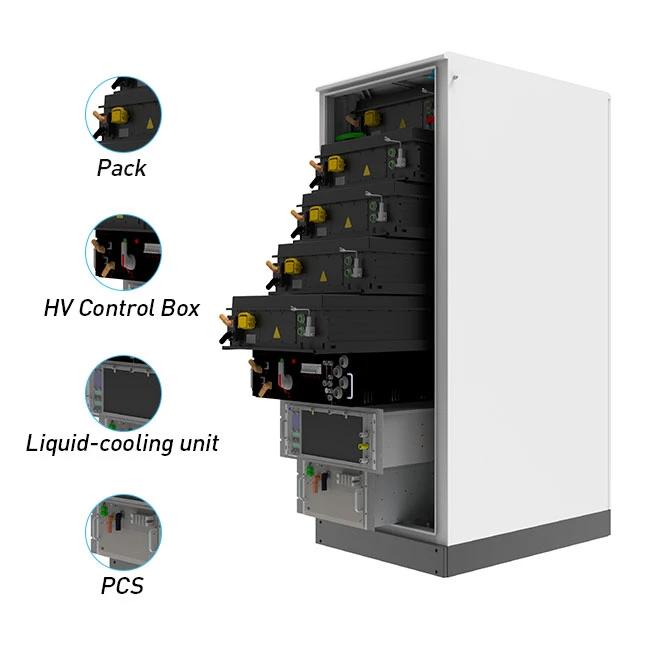
- Battery System (The DC Core): Composed of cells, modules, and racks. In 2026, the industry has standardized on high-capacity (300Ah+) LFP cells for their safety and longevity.
- Power Conversion System (PCS): This is the bidirectional “Gateway.” It manages the conversion between DC (battery) and AC (grid). High-tier PCS units now utilize Silicon Carbide (SiC) technology for efficiencies exceeding 98.8%.
- Battery Management System (BMS): The digital guardian. A three-tier BMS architecture monitors voltage and temperature at the cell, cluster, and system levels to prevent thermal runaway.
- Energy Management System (EMS): The intelligent “Commander.” Using AI and machine learning, the EMS performs “Value Stacking”—simultaneously managing peak shaving, arbitrage, and frequency response to maximize ROI.
Why Energy Storage Systems Are Critical for Renewable Energy
Energy Storage System for Solar and Wind Integration
Renewables suffer from the “Intermittency Problem.” A solar plus storage system performs “Time-Shifting,” moving midday solar production to the evening peak (the “Duck Curve” solution). This turns solar from a “use-it-or-lose-it” resource into a dispatchable, firm power source.
Grid Stability and Frequency Regulation with Energy Storage
Grid frequency (50/60Hz) must be maintained within tight tolerances. Grid scale energy storage provides “Inertia-like” response. When a major power plant trips, the ESS can inject massive amounts of power instantly, preventing regional blackouts.
Peak Shaving and Demand Charge Reduction Using ESS
For C&I customers, peak shaving battery storage is the most immediate path to ROI. Most utilities charge a “Demand Charge” based on the highest 15-minute spike in usage. By discharging during these spikes, the ESS lowers the recorded peak, often saving businesses thousands of dollars per month without changing their operational habits.
Types of Energy Storage Systems (Comprehensive Classification)
In 2026, the diversification of energy storage technologies allows us to match specific duration needs with the most cost-effective chemistry or physics.
Electrochemical Energy Storage Systems (Battery Energy Storage System – BESS)
This is the most dominant sector for commercial energy storage system applications.
- Lithium-ion battery storage: The “Gold Standard” for 2-4 hour duration. LFP (Lithium Iron Phosphate) has largely replaced NMC due to its 10,000+ cycle life and superior thermal safety.
- Lead-acid battery storage: Still utilized in telecommunications and low-cost emergency backup where energy density is not a priority.
- Sodium-ion battery storage: In 2026, Sodium-ion has reached mass production. It offers better performance in cold climates and a lower environmental footprint than lithium, making it a rising star for industrial energy storage solutions.
- Flow Batteries (Vanadium): Ideal for “Long-Duration Storage” (6-12 hours). They separate power (stack size) from energy (tank size), offering virtually unlimited cycles without degradation.
Mechanical Energy Storage Systems
- Pumped hydro energy storage (PHES): Represents over 90% of current large scale energy storage system capacity globally. It uses two water reservoirs at different elevations.
- Compressed air energy storage (CAES): Using excess electricity to compress air into underground caverns. During peak demand, the air is heated and expanded through a turbine.
- Flywheel energy storage: A high-speed rotating mass that stores kinetic energy. These are “Power” assets used for stabilization rather than long-term storage.
Thermal Energy Storage Systems
- Molten Salt Storage: Frequently paired with Concentrated Solar Power (CSP). It can hold heat for up to 15 hours to generate steam and electricity after sunset.
- Ice Storage: A popular solar battery storage for commercial buildings alternative. It creates ice at night (low electricity rates) and uses it to cool the building during the day, significantly reducing HVAC peak demand.
- Liquid Air Energy Storage (LAES): Cooling air to -196°C to turn it into a liquid, which is then stored in insulated tanks and expanded to drive a turbine when needed.
Electrical Energy Storage Systems
- Supercapacitors: They store energy in an electric field. They offer incredible power density and millions of cycles but have very low energy density.
- Superconducting magnetic energy storage (SMES): Storing energy in a magnetic field created by the flow of direct current in a superconducting coil. Efficiency is near 100%, but the cooling requirements make it cost-prohibitive for most microgrid energy storage system applications.
Chemical Energy Storage Systems
- Hydrogen Energy Storage: Using electrolysis to split water into hydrogen. This hydrogen can be stored in salt caverns for months, providing a solution for “Seasonal Storage.”
- Power-to-Gas (P2G): Combining hydrogen with CO2 to create synthetic methane, which can be injected into existing natural gas infrastructure.
Electrochemical Energy Storage System (Battery Storage) Advantages and Disadvantages
Advantages of Lithium Ion Battery Energy Storage System
The lithium ion battery storage system is the preferred energy storage system integration choice due to:
- Energy Density: High power in a small footprint (ideal for urban areas).
- Round-Trip Efficiency (RTE): Typically 85-95%, the highest among all technologies.
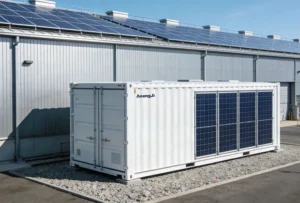
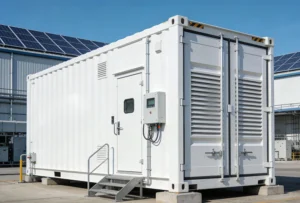
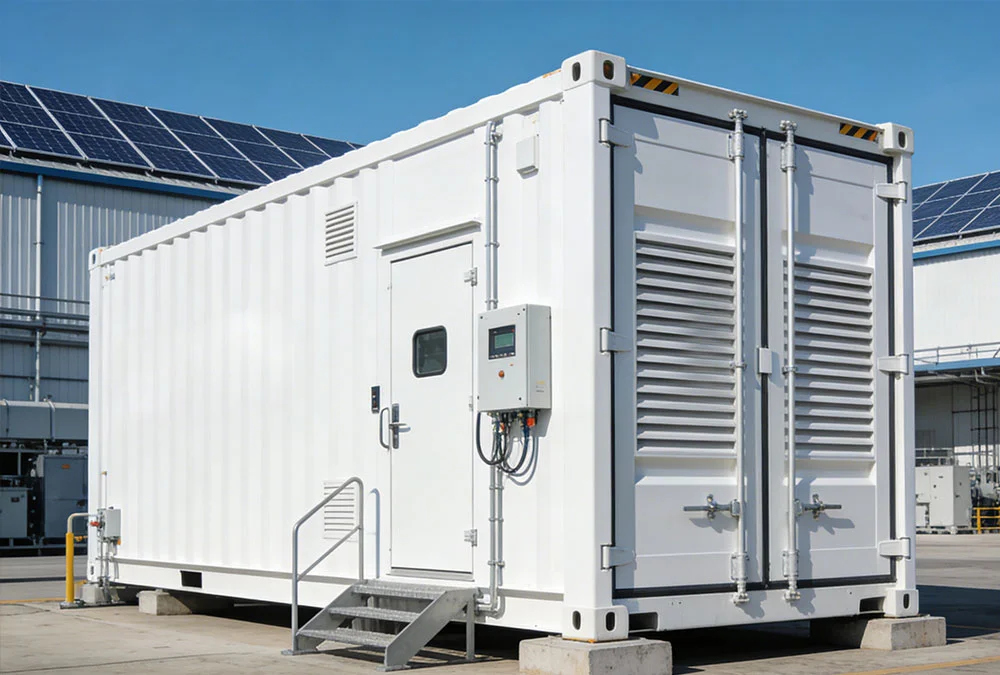
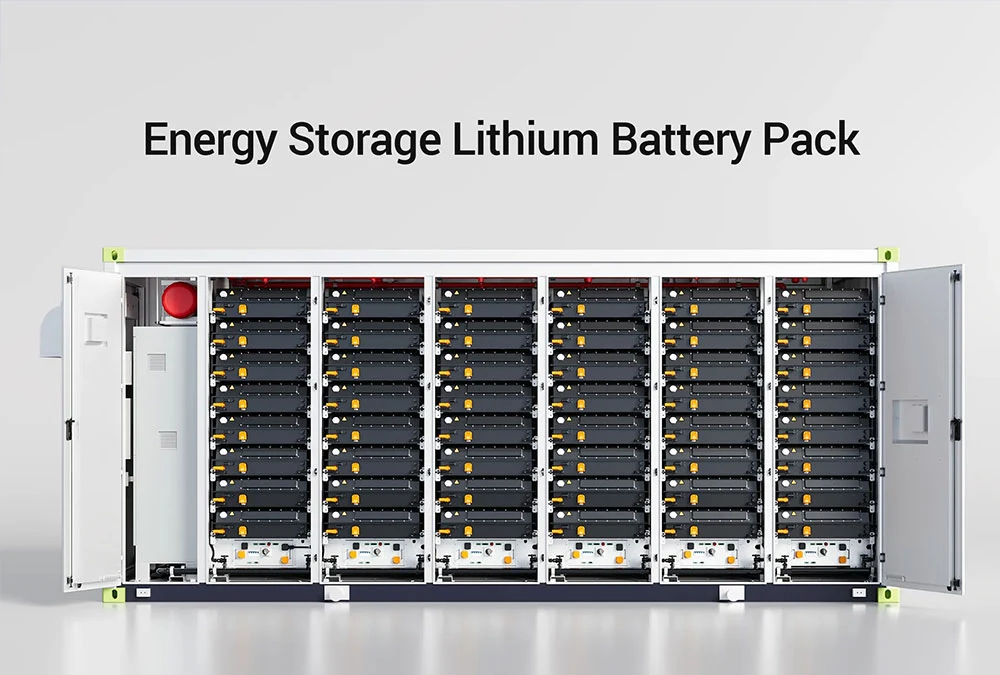
- Modular Deployment: Can be scaled from a 50kWh cabinet to a 1GWh containerized energy storage system.
Disadvantages of Battery Energy Storage Systems
- Degradation: Performance drops as a function of “Cycle Count” and “Depth of Discharge” (DoD).
- Thermal Safety: Requires sophisticated liquid cooling and fire suppression (NFPA 855 compliance).
- Supply Chain: Dependence on critical minerals (though Sodium-ion is mitigating this).
Best Applications for Battery Energy Storage Systems
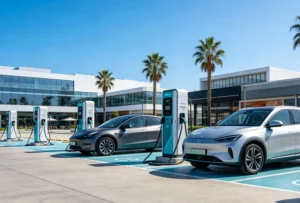
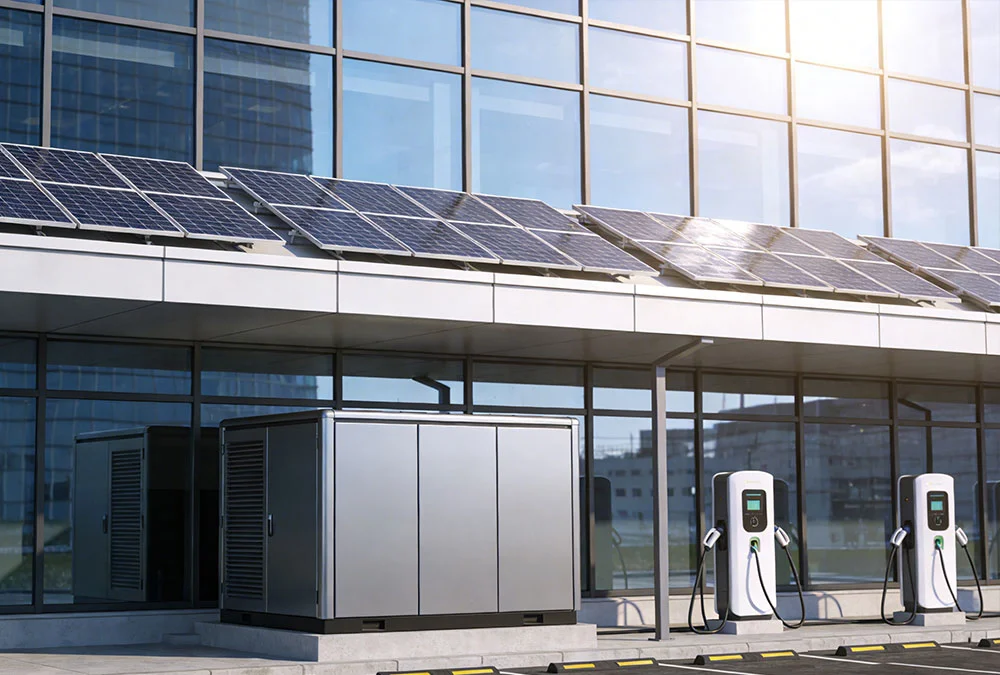
Lithium-ion is unrivaled for EV charging stations, where it buffers the massive 350kW+ spikes from ultra-fast chargers, and for C&I energy storage system peak shaving.
Mechanical Energy Storage System Comparison and Use Cases
Pumped Hydro Energy Storage Advantages and Limitations
PHES is the backbone of grid scale energy storage.
- Pro: 50+ year lifespan and the lowest cost per MWh for massive energy volumes.
- Con: High environmental impact and extremely limited by geography.
Compressed Air Energy Storage (CAES) Pros and Cons
CAES is transitioning to “Adiabatic” designs that store the heat of compression, removing the need for natural gas. This makes it a 100% green large scale energy storage system. However, it is limited to regions with suitable geological formations (salt domes or depleted gas fields).
Flywheel Energy Storage Benefits and Drawbacks
Used in data centers and microgrids for “Ride-through” power during the 10-15 seconds it takes for a diesel generator to start. It is a high-CAPEX but zero-maintenance solution.
Thermal Energy Storage System Benefits and Limitations
Advantages of Thermal Energy Storage Systems
Thermal storage is inherently safer than chemical batteries. Materials like graphite, sand, or molten salt cannot catch fire or explode. For industrial heat processes, it is the most efficient way to decarbonize.
Limitations of Thermal Storage Systems
The “Energy-to-Electricity” conversion is inefficient. Most thermal systems lose 60% of the energy when converting back to power. Therefore, they are best used when the end-use is heat rather than electricity.
Industrial Applications of Thermal Energy Storage Systems
Steel and cement plants use thermal ESS to capture “Waste Heat” and reuse it, reducing their total energy intake by up to 25%.
Electrical Energy Storage Systems: Supercapacitors and SMES
Supercapacitor Energy Storage Advantages
In a microgrid energy storage system, supercapacitors are used for “Voltage Smoothing.” When a heavy motor starts, the supercapacitor provides the initial surge, protecting the main battery bank from high-stress cycles.
SMES Energy Storage System Characteristics
Highly efficient but remains a laboratory-scale technology for 2026. Its primary potential lies in stabilizing fusion reactors or high-energy physics facilities.Chemical Energy Storage Systems: Hydrogen and Power-to-Gas
Hydrogen Energy Storage System Advantages
Hydrogen is the only viable renewable energy storage solution for “Seasonal Arbitrage”—storing summer solar for winter heating. It can also be used as a “Green Feedstock” for the chemical industry.
Challenges of Chemical Energy Storage Systems
The “Round-Trip Efficiency” of hydrogen is currently around 35-40%. For every 100kWh of electricity you put in, you only get 40kWh back. This makes it economically viable only when electricity is nearly free or when carbon taxes are high.
Energy Storage System Comparison: Which Technology Is Best?
2026 Performance Comparison Table
| Feature | Lithium-Ion (BESS) | Flow Battery | Pumped Hydro | Hydrogen (P2G) |
| Duration | 0.5 – 4 Hours | 4 – 12 Hours | 8 – 24+ Hours | Days – Months |
| Efficiency | 90% + | 70% – 75% | 75% – 80% | 35% – 40% |
| Response Time | Milliseconds | Seconds | Minutes | Minutes/Hours |
| Space Req. | Low (Container) | High (Tanks) | Massive | Medium (Tanks) |
| Primary Use | Peak Shaving/EV | Long-duration | Grid Bulk | Seasonal |
Cost Comparison of Energy Storage Technologies
For commercial energy storage system applications (under 4 hours), Lithium LFP is the cost leader at approx. $250-$350/kWh. For durations exceeding 10 hours, Flow Batteries and CAES become more competitive due to their lower “Marginal Cost of Energy” (adding more tanks is cheaper than adding more lithium cells).
Application-Based Energy Storage System Selection Guide
- Reduce Demand Charges? Choose a lithium ion battery storage system.
- Off-grid Mining Site? Choose a hybrid energy storage system (Solar + LFP + Flow).
- National Grid Reserve? Choose Pumped Hydro or grid scale energy storage.
How to Choose the Right Energy Storage System for Your Application
Energy Storage System for Commercial and Industrial Use
Select a containerized energy storage system for ease of installation. Ensure the vendor provides a “Performance Guarantee” that includes capacity augmentation—adding extra batteries in year 5 to account for natural degradation.
Energy Storage System for Utility-Scale Projects
Focus on “Software Bankability.” The EMS must be compatible with utility-grade SCADA systems and participate in wholesale energy markets (Value Stacking).
Energy Storage System for Renewable Energy Integration
The goal is “Self-Consumption.” A solar plus storage system should be sized so that your “Grid Draw” during peak hours is effectively zero, maximizing the financial yield of your PV panels.
FAQ: Energy Storage System (Optimized for Featured Snippets)
What is an energy storage system?
An energy storage system (ESS) is a suite of technologies (like batteries, flywheels, or thermal tanks) that store energy for later use. It is essential for managing grid stability and reducing electricity costs for businesses.
What are the main types of energy storage systems?
The five main types include electrochemical (BESS), mechanical (Pumped Hydro, CAES), thermal, electrical (Supercapacitors), and chemical (Hydrogen).
Which energy storage system is the most efficient?
Lithium-ion battery energy storage systems are currently the most efficient, with round-trip efficiencies typically between 85% and 95%.
What are the advantages of battery energy storage systems?
They offer the fastest response times, modular design (from small cabinets to containerized energy storage systems), high efficiency, and the most mature supply chain in 2026.
Which energy storage system is best for large-scale applications?
For massive, long-duration storage, pumped hydro and compressed air energy storage (CAES) are the most cost-effective solutions due to their long lifespans and large capacity.
Final Industry Perspective:
The “Right” energy storage system is a balance of duration, safety, and LCOS. In 2026, the market has moved beyond the “one-size-fits-all” approach. Would you like our engineering team to run a 12-month load-profile simulation for your facility to determine which energy storage technology provides the highest IRR for your specific grid constraints?