Introduction
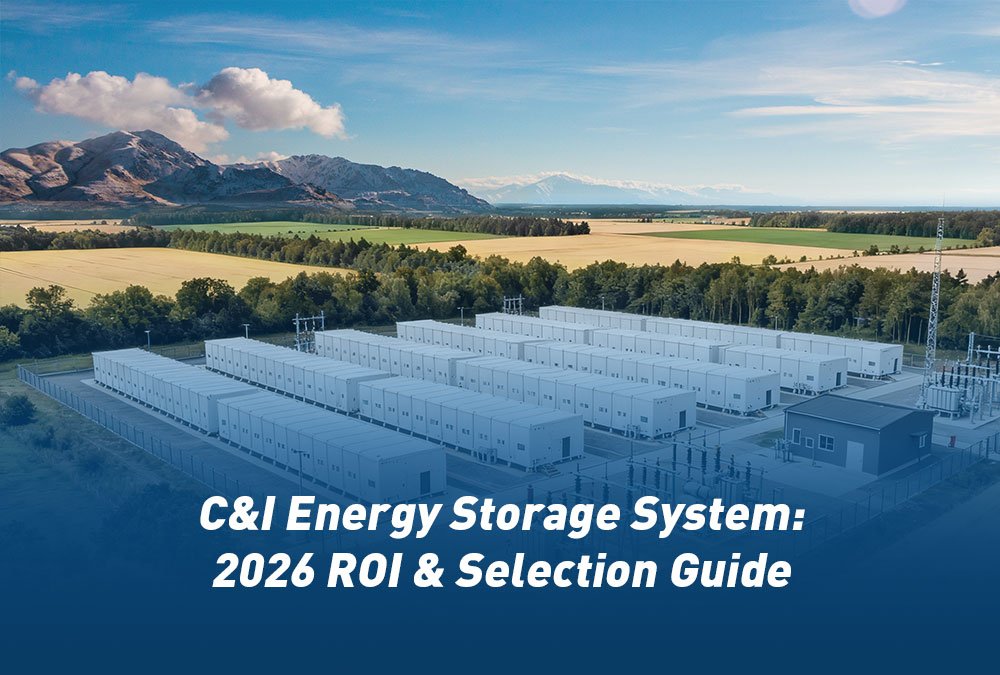
The global energy landscape is currently undergoing a massive structural shift toward decentralization and decarbonization. For businesses and manufacturing facilities, the traditional “grid-only” power model is no longer sufficient to maintain competitiveness amidst rising energy prices and stringent environmental regulations. Central to this transition is the Commercial and Industrial (C&I) Energy Storage System, a sophisticated technology that allows enterprises to take control of their power consumption, enhance grid resilience, and significantly lower operational costs. As we enter 2026, the adoption of a C&I battery energy storage system for peak shaving has moved from being an experimental luxury to a fundamental component of industrial infrastructure, providing a buffer against price volatility and power outages.
What is a C&I Energy Storage System (Commercial and Industrial Energy Storage System)
Definition of C&I Battery Energy Storage System (BESS)
A Commercial and Industrial (C&I) Energy Storage System is a modular energy solution designed specifically for businesses, factories, and utility-scale commercial buildings. Unlike residential batteries, which typically focus on basic backup, a C&I BESS is engineered for high-capacity cycles and complex energy management. It stores energy from the grid or on-site renewable sources (like solar) and releases it when needed to optimize power flow.
How C&I Energy Storage Systems Work
At its core, the system operates through a cycle of charging and discharging controlled by intelligent software. When electricity prices are low (off-peak) or renewable generation is high, the system charges its battery bank. During periods of high demand or when grid prices spike, the stored energy is discharged. This “shifting” of energy is what makes a commercial energy storage system such a powerful economic tool.
Typical Applications of Industrial Energy Storage Systems
Modern energy storage for factories is utilized in diverse environments, including:
- Manufacturing Plants: Ensuring uninterrupted production and high-power consistency.
- Data Centers: Serving as a high-capacity industrial power backup system.
- Logistics Hubs: Powering massive automation systems and EV delivery fleets.
- Commercial Real Estate: Managing the cooling and heating loads of high-rise offices.
Key Benefits of C&I Energy Storage Systems (Industrial Energy Storage Benefits)
Peak Shaving and Demand Charge Reduction
For most industrial users, a significant portion of the monthly bill is determined by the “demand charge”—a fee based on the highest amount of power used in a single 15-minute interval. By utilizing a C&I battery energy storage system for peak shaving, a facility can use its stored energy to “shave” those spikes, effectively lowering the peak demand reported to the utility and saving thousands of dollars annually.
Backup Power and Energy Reliability
Power quality is a critical engineering concern. Even a millisecond of voltage drop can cause a CNC machine or a robotic arm to fail, leading to hours of downtime. A robust industrial battery storage solution acts as a buffer, providing instantaneous power during grid dips or full blackouts, ensuring “five-nines” reliability (99.999% uptime).
Renewable Energy Integration (Solar + Storage)
Solar energy is intermittent, but industrial production is not. A C&I energy storage system for solar integration allows a factory to store excess midday solar generation and use it during evening production shifts. This maximizes “self-consumption” and accelerates the ROI of the solar installation.
Energy Cost Optimization with EMS
The energy management system (EMS) is the brain of the BESS. It uses AI to track electricity market prices in real-time, performing “energy arbitrage”—buying power at its cheapest and selling or using it at its most expensive.
Types of C&I Energy Storage Systems (Industrial Battery Storage Types)
Lithium-ion Battery Energy Storage Systems (LFP vs. NMC)
The market is currently dominated by two chemistries. Lithium Iron Phosphate (LFP) has become the gold standard for lithium-ion C&I storage systems due to its superior thermal stability and long cycle life (often exceeding 6,000–8,000 cycles). NMC (Nickel Manganese Cobalt) offers higher energy density but is increasingly reserved for mobile applications due to its higher cost and thermal sensitivity.
Containerized C&I Energy Storage Systems
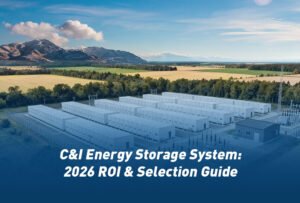
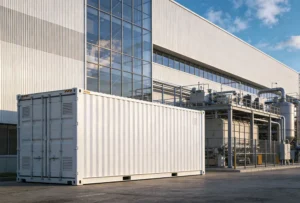
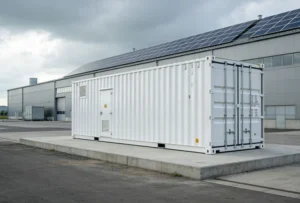
For large-scale industrial sites, containerized systems (20ft or 40ft units) offer a “plug-and-play” solution. These house the batteries, PCS, cooling, and fire suppression in a single weather-proof enclosure, making them the preferred choice for industrial energy storage system suppliers and solutions for large factories.
Distributed Energy Storage Systems
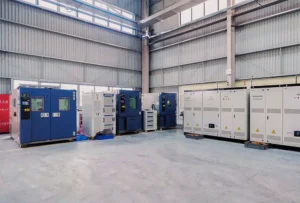
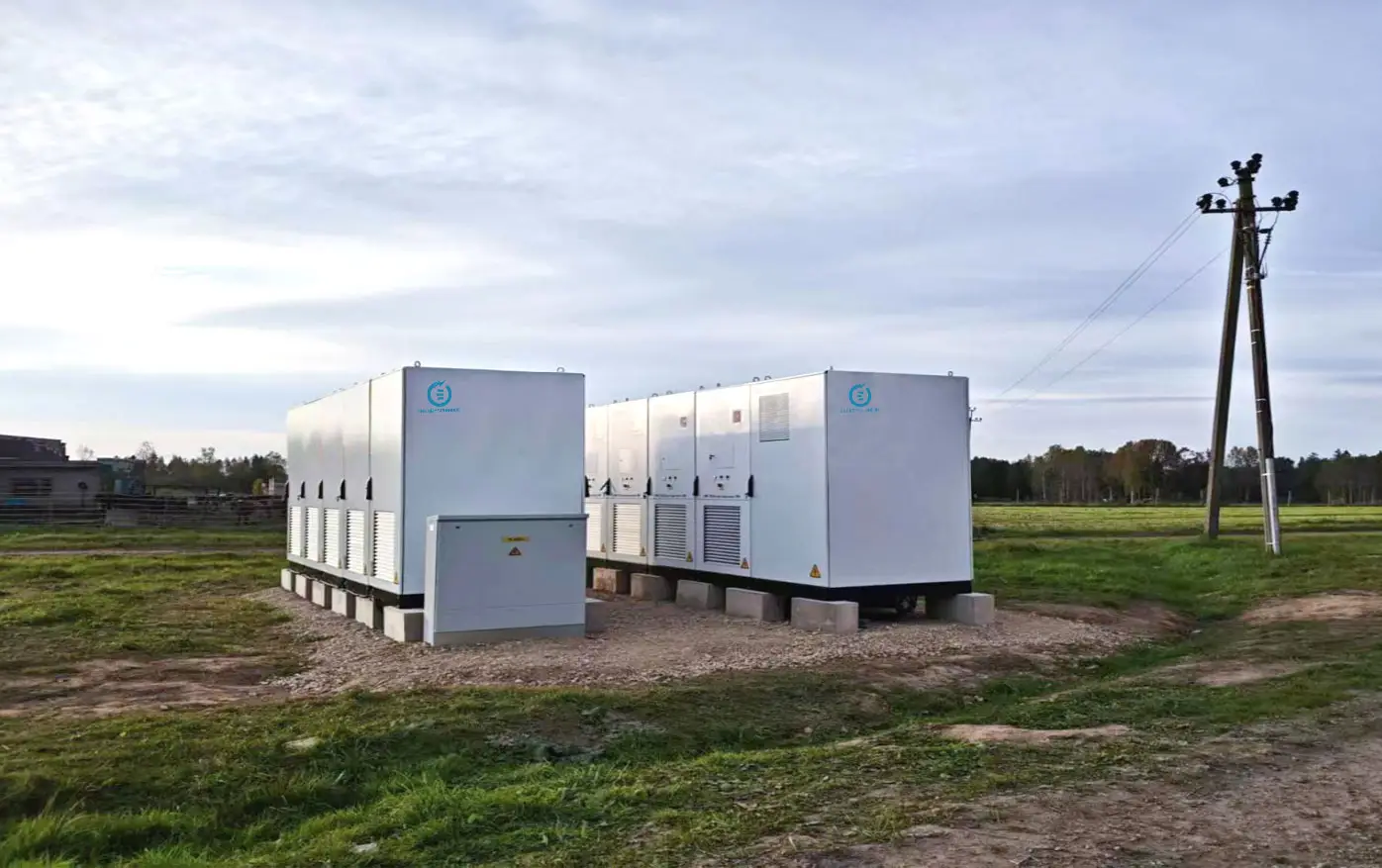
In a distributed energy storage system, smaller, modular cabinets are placed closer to the point of consumption. This is ideal for commercial buildings or smaller workshops where space is limited, providing high flexibility in scaling.
Microgrid Energy Storage Systems
A microgrid energy storage system allows a facility to disconnect from the main grid entirely and operate in “island mode.” This is essential for remote mining operations or critical infrastructure that must remain powered regardless of the state of the national grid.
Comparison of Different C&I Energy Storage Systems (BESS Comparison Guide)
Choosing the right system requires balancing engineering specs with commercial outcomes. Below is a detailed comparison to assist in the decision-making process.
Lithium-ion vs. Sodium-ion Energy Storage Systems
| Feature | Lithium-ion (LFP) | Sodium-ion (Na-ion) |
| Energy Density | High (160-200 Wh/kg) | Medium (100-140 Wh/kg) |
| Cost | Established, but sensitive to Li prices | Potentially lower (Raw material abundance) |
| Lifecycle | 6,000 – 10,000 cycles | 3,000 – 5,000 cycles |
| Safety | High (with LFP) | Excellent (Lower thermal runaway risk) |
| Maturity | Fully Commercialized | Early Commercialization (2026 Trend) |
Containerized vs. Distributed Energy Storage Systems
- Deployment Speed: Containerized systems are faster for large capacities as they arrive pre-assembled.
- Flexibility: Distributed systems allow for “granularity”—you can add 50kWh modules as your business grows.
- Scalability: Containerized is best for MW-level scaling; Distributed is best for kW-level.
Centralized vs. Modular C&I Energy Storage Systems
A centralized system uses a single, large PCS inverter for energy storage, which is cost-effective for large loads. However, a modular system offers higher “availability”; if one PCS module fails, the rest of the system continues to operate.
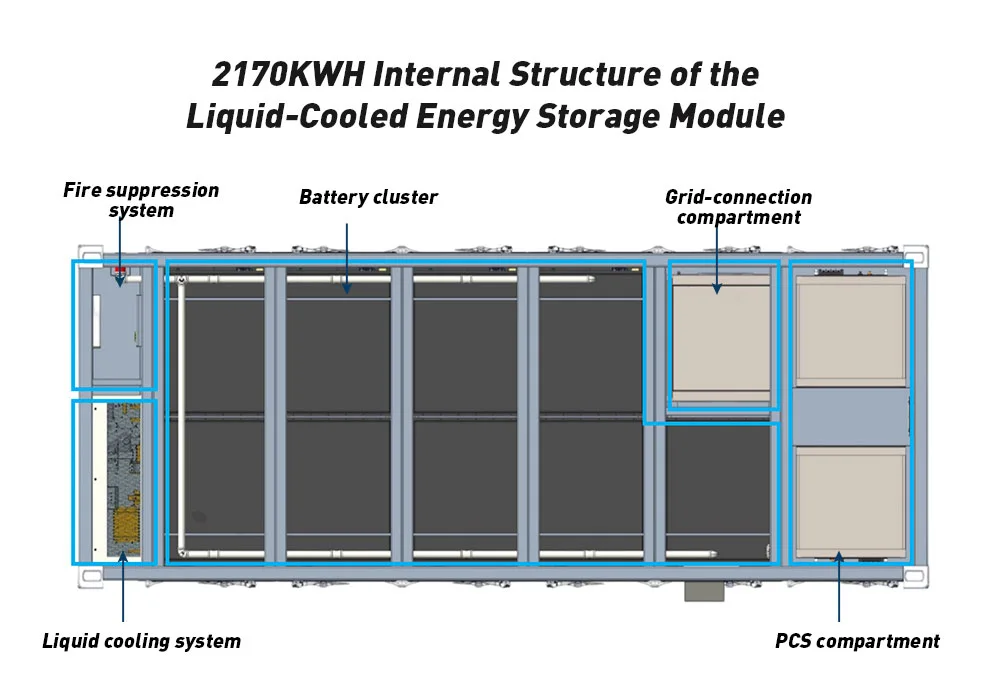
Core Components of C&I Energy Storage Systems (Battery PCS BMS EMS)
Battery System (Energy Storage Core)
This is where the energy is physically stored. For industrial use, the focus is on “Depth of Discharge” (DoD). High-quality systems allow for 90%–95% DoD without significant degradation, ensuring you get the full capacity you paid for.
PCS – Power Conversion System
The PCS is the bi-directional inverter. It converts DC power from the batteries to AC power for the factory, and vice-versa. Engineering efficiency is key here; a 1% difference in PCS efficiency can translate to tens of thousands of dollars in wasted energy over a 10-year period.
BMS – Battery Management System
The BMS safety in energy storage cannot be overstated. It monitors voltage, current, and temperature at the cell level. If it detects an anomaly (like a cell overheating), it isolates the module to prevent a fire, ensuring the safety of the industrial facility.
EMS – Energy Management System
The EMS is the software layer. As noted in McKinsey’s insights on “Powering the Future,” the value of BESS is increasingly shifting from the hardware to the software. A sophisticated EMS integrates with weather forecasts, grid price signals, and factory production schedules to maximize ROI.
How C&I Energy Storage Systems Reduce Energy Costs (Peak Shaving & EMS Optimization)
The economics of a commercial and industrial energy storage system cost and ROI are driven by three distinct strategies:
- Peak Shaving Strategy: The BESS monitors the factory’s main breaker. If the load exceeds a set threshold (e.g., 500kW), the battery discharges to cover the excess, keeping the billed peak low.
- Demand Charge Reduction: In many regions, demand charges account for up to 50% of an industrial bill. A well-sized BESS can reduce these charges by 20%–40% immediately.
- Energy Arbitrage with EMS: Charging at night (low rates) and discharging during the day (high rates). According to McKinsey’s “Battery 2035” report, the ability of BESS to participate in “revenue stacking” (doing multiple tasks at once) is what makes the business case compelling.
ROI and Payback Period
A typical commercial energy storage system has a payback period of 4 to 7 years, depending on local utility tariffs and subsidies. Given that the systems are designed to last 10–15 years, the remaining life of the system provides essentially “free” energy management.
C&I Energy Storage System Applications (Industrial & Commercial Use Cases)
Manufacturing Plants
High-energy processes like aluminum smelting or heavy stamping require massive bursts of power. A BESS provides this power locally, reducing the strain on the utility transformer and extending the life of the factory’s electrical assets.
EV Charging Stations + Energy Storage
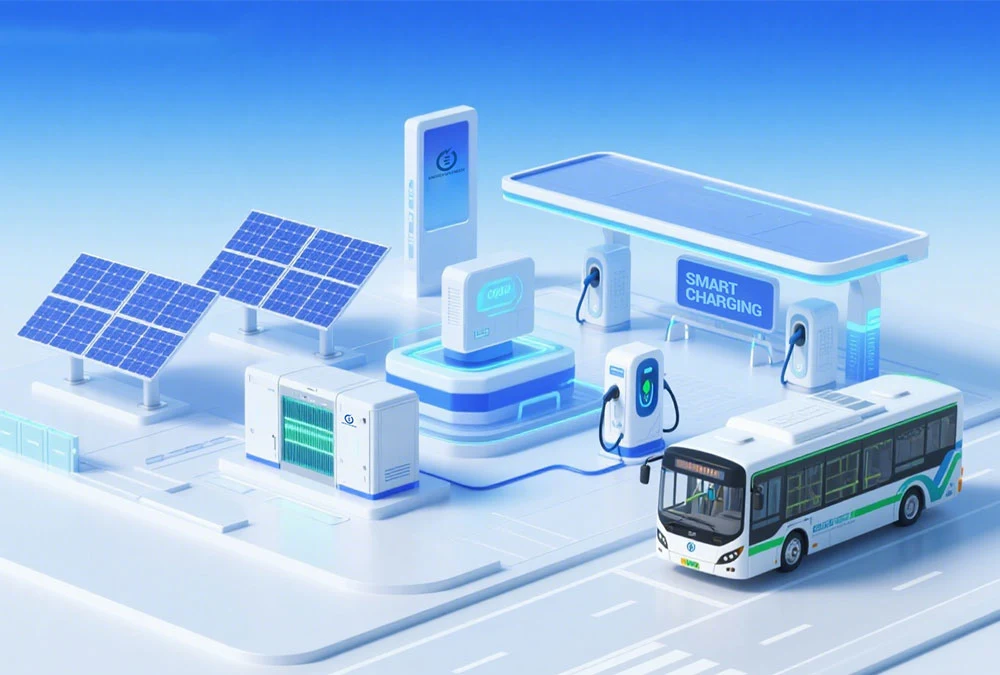
As companies transition to electric fleets, the grid often cannot handle the simultaneous charging of 20 electric trucks. By installing a C&I energy storage system for solar integration alongside EV chargers, the battery provides the high current needed for fast charging without requiring a multi-million dollar grid upgrade.
How to Choose the Right C&I Energy Storage System (Industrial BESS Selection Guide)
System Size and Capacity Selection
Engineering a system starts with a “Load Profile Analysis.” You must analyze a year’s worth of 15-minute interval data to identify your true peaks and troughs. Over-sizing leads to wasted CAPEX; under-sizing fails to provide the required peak shaving.
Safety and Compliance Standards
For commercial BESS with EMS for energy management, compliance with UL9540, UL1973, and local fire codes is non-negotiable. Always demand test reports from the industrial energy storage system suppliers and solutions you are vetting.
Future Trends of C&I Energy Storage Systems (Industrial Energy Storage Trends)
Looking toward the late 2020s, we expect:
- AI-Driven EMS: Software will not just react to prices but predict factory production anomalies to optimize energy use before a peak occurs.
- Integration with VPPs (Virtual Power Plants): C&I owners will be paid by grid operators to discharge their batteries during national grid emergencies.
- Solid-State and Sodium-ion: As McKinsey’s “Battery 2035“ highlights, the diversification of chemistry will lower costs and reduce reliance on rare-earth minerals like cobalt and lithium.
Conclusion: Why C&I Energy Storage Systems Are Essential for Businesses
The Commercial and Industrial (C&I) Energy Storage System is no longer a peripheral technology; it is the cornerstone of the modern industrial energy strategy. By integrating advanced lithium-ion C&I storage systems with intelligent energy management systems (EMS), businesses can simultaneously achieve cost reduction, carbon neutrality, and operational resilience. As energy volatility continues to rise, those who invest in BESS today will be the ones who lead the industrial markets of tomorrow.
FAQ – C&I Energy Storage Systems (Featured Snippet Ready)
What is a C&I energy storage system?
A Commercial and Industrial (C&I) Energy Storage System is a high-capacity battery system (usually 50kWh to several MWh) used by businesses to store electricity, manage demand peaks, and integrate renewable energy.
How does a C&I energy storage system reduce electricity costs?
It reduces costs through peak shaving (lowering demand charges), energy arbitrage (using cheap off-peak power during expensive peak hours), and increasing the efficiency of on-site solar systems.
What are the main components of a C&I BESS system?
The four main components are the Battery Racks, the PCS inverter for energy storage, the BMS safety in energy storage (Battery Management System), and the EMS (Energy Management System) software.
What is the typical ROI of a C&I energy storage system?
The commercial and industrial energy storage system cost and ROI generally results in a payback period of 4 to 7 years. Factors include local electricity rates, available government incentives, and the intensity of the facility’s power demand peaks.
Which type of C&I energy storage system is best?
The “best” system depends on the application. LFP-based lithium-ion C&I storage systems are currently best for safety and longevity, while containerized systems are superior for MW-level industrial sites, and distributed systems are better for commercial buildings with space constraints.