Introduction
In the volatile energy landscape of 2026, Battery Energy Storage Procurement has evolved from a simple “green initiative” into a sophisticated financial hedge. As a power electronics engineer who has spent two decades commissioning substations and high-capacity battery arrays, I can tell you that the difference between a project with a 4-year payback and a 10-year liability lies entirely in the technical nuances of the procurement phase.
With C&I (Commercial and Industrial) electricity tariffs in 2026 seeing a 30% increase in demand charges, the pressure to deploy a high-performance Battery Energy Storage System (BESS) is at an all-time high. However, the market is currently saturated with “tier-2” integrators offering low-CAPEX solutions that hide massive OPEX risks. This guide provides the granular technical and commercial framework required to navigate Battery Energy Storage Procurement with the precision of a veteran engineer.
1. What Is Battery Energy Storage Procurement in Commercial Energy Projects
Definition of Battery Energy Storage Procurement
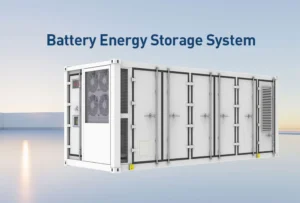
At its core, Battery Energy Storage Procurement is the strategic acquisition of a turnkey energy asset designed to manipulate a facility’s load profile. It is not merely buying batteries; it is the procurement of a synchronized ecosystem consisting of electrochemical cells, 1500V DC bus architectures, high-speed bi-directional inverters, and AI-driven energy management software.
Why Procurement Strategy Matters in BESS Projects
In my 20 years of field audits, I have seen multimillion-dollar systems fail because the procurement team focused on “Nameplate Capacity” rather than “Usable Energy over Lifetime.” A robust strategy must account for Round-Trip Efficiency (RTE) and Degradation Slopes. In 2026, a 3% loss in conversion efficiency at a 5MW facility can result in over $45,000 of lost arbitrage revenue annually. Strategic procurement ensures the hardware is physically capable of the “Value Stacking” promised by the sales team.
2. Battery Energy Storage System Procurement Process Step by Step
A successful procurement cycle in 2026 typically spans 6 to 9 months and follows a rigid engineering path.
Project Feasibility and Load Profile Analysis
We begin with “Interval Data” analysis. Using 1-minute load data from the past year, we build a Digital Twin. We aren’t just looking for total kWh; we are looking for the “Peak Coincidence”—when the facility’s demand spikes align with the grid’s most expensive windows.
Technical Specification Development for BESS Procurement
A professional RFP (Request for Proposal) must define:
- C-Rate: Is it a 0.5C system for energy shifting or a 2C system for high-power industrial motor starts?
- Response Time: For frequency regulation, you need a sub-100ms response from the EMS to the PCS.
- Augmentation Strategy: Will you add new racks in Year 6 or over-provision the system on Day 1?
3. Key Technical Components to Evaluate
Battery Technology Selection (LFP vs. NMC)
The debate is over. For 2026 C&I projects, LFP (Lithium Iron Phosphate) is the definitive choice for procurement.
| Metric | LFP (Stationary Standard) | NMC (High Density) |
| Thermal Runaway Temp | >270°C | ~210°C |
| Cycle Life (80% SOH) | 7,000 – 10,000 | 2,500 – 4,000 |
| Fire Safety Profile | Self-extinguishing tendencies | High oxygen release during fire |
Power Conversion System (PCS) Performance
Procurement must specify Grid-Forming inverters. Unlike older “Grid-Following” units, these can create their own voltage and frequency reference. In 2026, this is essential for “Black Start” capabilities—allowing your factory to run during a total grid blackout without a diesel generator.
4. Procurement Cost Breakdown (2026 Benchmarks)
Understanding the “All-in” price is where most projects lose their way.
| Component | Cost per kWh | Percentage of Budget |
| LFP Battery Racks (1500V) | $130 – $190 | 48% |
| PCS & MV Transformer | $50 – $75 | 18% |
| EMS & Control Hardware | $15 – $25 | 6% |
| EPC, Civil & Electrical Labor | $60 – $100 | 22% |
| Permitting, Studies & Insurance | $15 – $35 | 6% |
5. Supplier Selection & “Bankability”
Evaluating Manufacturer Experience
“Bankability” is the most used word in 2026 procurement. If the manufacturer isn’t on the BloombergNEF Tier 1 List, most commercial lenders will refuse to finance the project. We look for a minimum of 2 GWh of field-deployed assets.
Certification (UL9540, NFPA 855)
Local AHJs (Authorities Having Jurisdiction) now demand UL 9540A reports. This isn’t just a certificate; it’s a 100-page document showing how the system behaves during a forced fire. Without this, your 2026 insurance premiums will be astronomical.
6. Containerized BESS: The 2026 Standard
Liquid Cooling vs. Air Cooling
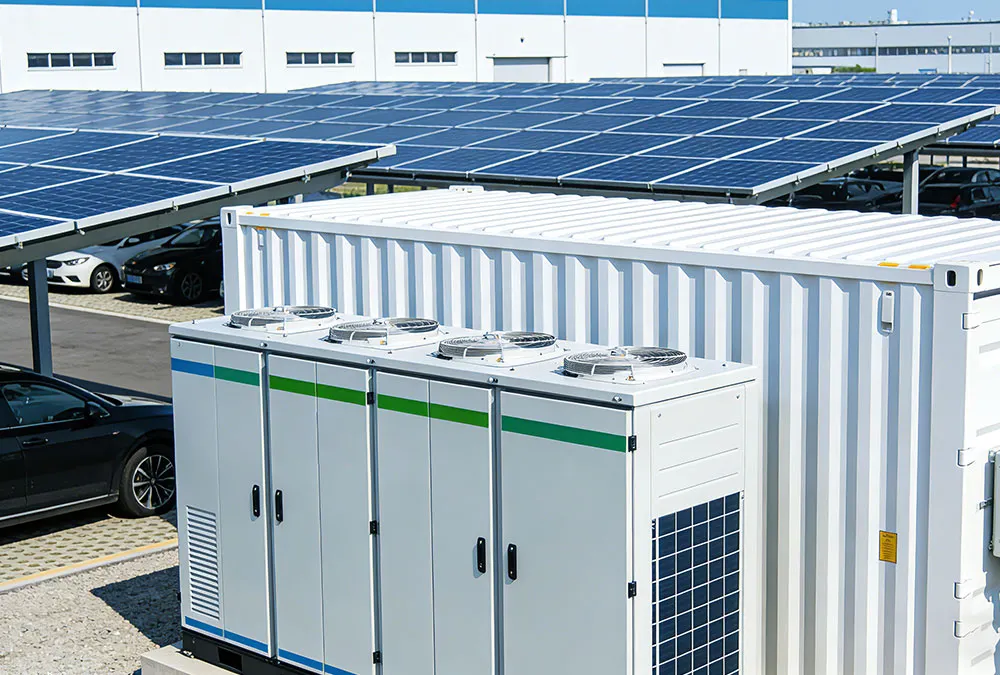
Modern 2026 containers are Liquid-Cooled. This is non-negotiable. Liquid cooling maintains cell temperature uniformity within ±2°C. Old air-cooled systems had ±7°C variances, leading to “hot spots” and premature cell death in the middle of the rack.
7. Risk Management and Performance Guarantees
Safety and Thermal Management
In 2026, we specify Off-Gas Detection. These sensors detect the “venting” of a cell up to 15 minutes before smoke detectors or heat sensors. This is the difference between a controlled shutdown and a total loss of asset.
Contractual Performance Targets
Your contract must be “Performance-Backed.” This includes:
- Availability Guarantee (98%+): Penalties for every hour the offline.
- Round-Trip Efficiency (RTE) Guarantee: Ensuring you don’t lose more than 12-15% of your energy during the AC-DC-AC conversion.
8. ROI and Financial Benefits
Peak Shaving and Demand Charge Reduction
For a typical 24/7 manufacturing plant, the “Peak Demand” might only happen once a day for 30 minutes. A well-procured BESS “shaves” this spike, often resulting in a payback period of 4 to 5.5 years.
Revenue Opportunities Through VPPs
Modern BESS can be aggregated into Virtual Power Plants (VPP). By allowing the grid to use your battery for 10 minutes to stabilize frequency, you earn “Capacity Payments” that further accelerate ROI.
9. Future Trends in Procurement
- AI-Based Energy Management: Systems that pull real-time weather and wholesale market pricing to decide when to discharge.
- Long-Duration Storage (LDES): The procurement of Iron-Flow batteries for 8-12 hour backup requirements in heavy industry.
10. FAQs About Battery Energy Storage Procurement
What is battery energy storage procurement?
It is the end-to-end process of sourcing and commissioning BESS units for C&I projects, ensuring they meet specific energy density, safety, and financial ROI targets.
What factors should be considered in procurement?
Critical factors include Cell Cycle Life (LFP preferred), Safety Certifications (UL 9540), PCS Grid Compliance, and the vendor’s long-term Bankability.
How long does the process take?
In 2026, the standard timeline is 6-10 months, from initial feasibility study to site commissioning.
Conclusion: Securing Your Energy Future
Procuring a BESS is not a “set and forget” purchase; it is a 20-year commitment to your facility’s operational health. By prioritizing engineering-led technical specifications over the lowest bid, you ensure your project becomes a revenue-generating asset. In the high-stakes world of 2026 energy, Battery Energy Storage Procurement is the ultimate tool for energy independence.