
Introduction
The proliferation of electric vehicles (EVs) has marked a significant shift in the automotive landscape, reflecting a growing commitment to sustainability and innovative technologies.
As the demand for electric vehicles increases, so too does the necessity for efficient charging solutions. An essential element of the electric vehicle ownership experience is the convenience of having a home charging station.
This setup not only provides flexibility in managing charging schedules but also minimizes the reliance on public charging infrastructures, which may be less convenient for everyday use.
Installing an EV charger at home empowers owners by allowing them to recharge their vehicles overnight, thereby eliminating range anxiety and ensuring the vehicle is ready for use each day. This capability is particularly advantageous for those with busy lifestyles or long commutes.
Additionally, home charging is often more cost-effective compared to using public charging stations, where fees can fluctuate significantly based on location and time of day.
Moreover, the environmental benefits of electric vehicles are substantial, contributing to a reduction in greenhouse gas emissions and promoting cleaner air.
Installing an EV charger at home supports this eco-friendly initiative by enabling owners to maximize the use of renewable energy sources, especially when paired with solar panel systems. This synergy can further lower electricity costs while fostering a sustainable lifestyle.
As the shift towards electrification of transportation continues to gain momentum, understanding the various types of charging options available and the associated costs becomes crucial for potential EV owners.
With these considerations in mind, the need for informed decision-making regarding home EV charger installation is clear and essential.
Types of Home Charging Stations
As electric vehicles (EVs) gain popularity, understanding the types of home charging stations becomes essential for potential owners.
Home charging stations primarily fall into three categories:
Level 1 chargers
Level 2 chargers
DC fast chargers.
Each type differs in charging speed, cost, and suitability for various household needs and EV models.
Level 1 chargers are the most basic form of home charging for electric vehicles
These chargers typically use a standard household outlet, providing a voltage of 120V. Charging an EV with a Level 1 charger can take a lengthy duration, often requiring overnight charging to create a full battery. This option is suitable for individuals who drive short distances daily and have flexible charging needs. The installation cost is minimal, as it generally does not require any special electrical work, making it an attractive choice for many homeowners.
Level 2 chargers offer a significant upgrade in charging speed
Operating at 240V, they can replenish an EV’s battery much faster than Level 1 options—often in just a few hours. These chargers require professional installation and may involve additional costs for electrical upgrades. Level 2 chargers are ideal for households where EV owners depend on their vehicles for daily commuting or longer drives. The investment in a Level 2 charger often yields benefits in terms of time saved and convenience.
DC fast chargers represent the pinnacle of home charging technology, capable of delivering a substantial charge in a remarkably short time
However, they are predominantly used in public spaces due to their higher power requirements and cost. Homeowners seeking a DC fast charger should ensure they have the necessary electrical capacity and budget, as these installations are often complex and pricey.
In summary
the choice of a home charging station largely depends on individual driving habits, budget considerations, and the specific electric vehicle model. By evaluating these factors, EV owners can select the most appropriate charging solution for their needs.
Assessing Your Home for EV Charger Installation
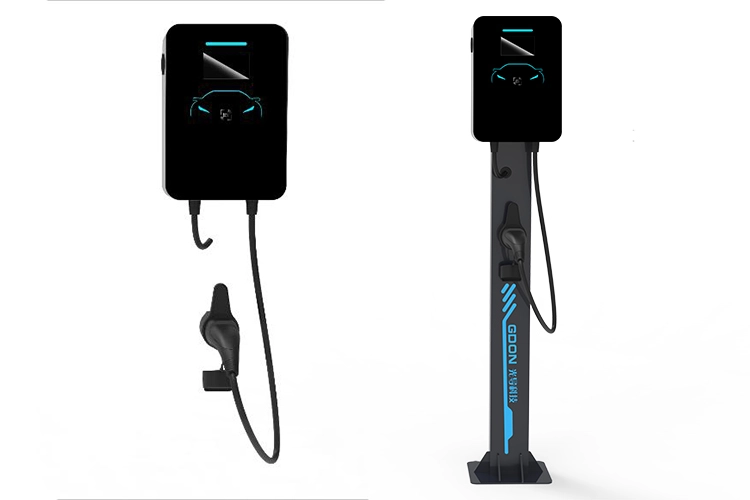
Before embarking on the installation of an electric vehicle (EV) charger at home, it is crucial to conduct a thorough assessment of your property. This multi-step process ensures that your home is suitable for a charging installation and that the project proceeds smoothly.
First and foremost, it is important to check the electrical capacity of your home
Most EV chargers operate on either a Level 1 or Level 2 charging system, with the latter requiring a more robust electrical setup. To accommodate a Level 2 charger, your home must have at least a 240-volt outlet, which typically demands a dedicated circuit. Engaging a qualified electrician can provide clarity on whether your existing electrical panel can support this demand or if an upgrade is necessary.
Secondly, determining the ideal location for the installation is key to ensuring both convenience and efficiency
The charger should be situated near your parked vehicle while also allowing for safe and easy access for charging cables. Common installation locations include a garage, driveway, or carport. Assessing the layout of your property helps in identifying these optimal spots, making sure the charging equipment is easily reachable at all times.
Another critical consideration is to evaluate any local regulations or permitting requirements that may affect the installation process
Many municipalities have specific guidelines regarding EV charger installations, including electrical codes, zoning laws, and potential homeowners’ association rules. It is advisable to consult with local authorities or your homeowners’ association to understand any stipulations that might influence your decision.
By meticulously assessing these factors—electrical capacity, ideal location, and local regulations—homeowners can make well-informed decisions regarding the installation of an EV charger at their residence.
Detailed Analysis of Installation Costs in Different Regions
The cost of installing a home electric vehicle (EV) charger varies significantly across different regions due to factors such as local labor expenses, the cost of materials, and regulatory requirements. Understanding these costs can help potential EV owners budget effectively for the transition to electric mobility.
In Europe
the average costs for installing a home charging station typically range from €800 to €2,500, covering the EV charger unit, installation labor, and additional materials needed to comply with local electrical and safety standards. However, the exact cost can vary significantly depending on the country, regional labor rates, and government incentives.
For example:
Germany – Installation costs are generally among the highest in Europe, often ranging between €1,200 and €2,500. This is largely due to strict safety standards, mandatory electrical inspections, and higher hourly labor rates. Additionally, many German homeowners opt for smart chargers with advanced energy management features, which further increases costs.
France – French homeowners typically spend between €1,000 and €2,200 for a home EV charging station. Compliance with national electrical code (NF C 15-100) and requirements for professional certification (IRVE) add to the total cost. However, government subsidies such as the “Prime Advenir” can help reduce installation expenses.
United Kingdom – In the UK, the total installation cost usually falls between £800 and £1,500 (€930–€1,750). The country’s “OZEV grant” (Office for Zero Emission Vehicles) can subsidize part of the installation cost, particularly for homeowners who meet certain criteria. Costs may vary based on the distance from the electrical panel and whether smart charging features are included.
Spain – Installation prices in Spain are relatively moderate, typically between €900 and €1,800. Labor costs are slightly lower than in Northern Europe, but additional wiring or meter upgrades can increase the total. Spain’s “MOVES III” incentive program also supports private EV charger installations, encouraging wider adoption.
Poland – In Eastern Europe, installation costs tend to be lower, and in Poland they typically range from €600 to €1,200. Labor rates are more affordable, and local electricians often offer package deals that include both the charger and installation. However, availability of advanced smart chargers may be limited compared to Western Europe.
While Western European countries
such as Germany, France, and the UK generally experience higher installation costs due to strict labor regulations and advanced safety standards, countries in Southern, Eastern, and Central Asia, including Russia and several Central Asian nations, often present more cost-effective options. In these regions, lower labor rates, simplified permitting processes, and less stringent regulatory environments contribute to reduced installation costs for home EV charging stations.
For example:
Russia – In Russia, the average cost of installing a home charging station typically ranges from €500 to €1,200, depending on the city and the type of charger. In major urban centers like Moscow or St. Petersburg, costs are higher due to modern infrastructure requirements and demand for higher-capacity chargers. However, in regional areas, simpler single-phase installations remain quite affordable.
Kazakhstan – As one of the most industrialized nations in Central Asia, Kazakhstan’s installation costs range between €600 and €1,400. The growing government interest in sustainable mobility has led to emerging incentives, particularly in Almaty and Astana, where energy companies are partnering with private firms to expand EV charging networks.
Uzbekistan – In Uzbekistan, installation costs are relatively low, typically between €500 and €1,000. Labor is inexpensive, and most installations involve basic wall-mounted chargers without smart features. However, the government’s gradual move toward EV adoption could increase future demand and regulation standards, which may impact costs.
Kyrgyzstan – Home EV charging station installation in Kyrgyzstan usually costs around €400 to €900, making it one of the most affordable in the region. The main expenses come from importing quality chargers, as local production remains limited. Still, low-cost labor helps keep total costs manageable for homeowners.
Tajikistan – In Tajikistan, costs are modest, generally €400 to €800, due to low local wages and minimal permit requirements. However, limited grid stability in rural areas can increase installation complexity, particularly for higher-powered chargers.
Turkmenistan – Installation prices in Turkmenistan range from €500 to €1,000, though the market remains in its early stages. As EV adoption grows, especially in Ashgabat, infrastructure upgrades and partnerships with foreign charger manufacturers are expected to drive both quality improvements and slight cost increases in the coming years.
Overall, while Western Europe leads in safety and regulatory standards, Russia and Central Asian countries offer lower installation costs and simpler procedures, albeit with fewer smart charging options and limited infrastructure. As regional governments introduce EV development policies and attract foreign investment, the cost landscape for home charging stations in Central Asia is expected to evolve rapidly, improving accessibility and quality for local EV owners.
Turning to Central Asia and Russia, the installation costs can vary considerably. In major urban centers such as Moscow, the average expenses are similar to those in Europe, estimating between 30,000 to 80,000 RUB. However, in more rural areas, costs may decrease, yet availability of skilled technicians and quality materials could become a barrier, thus impacting the overall pricing.
Southeast Asia
presents another picture when it comes to home EV charging installation costs. Prices in the region typically range from $300 to $1,200, influenced by differences in market maturity, energy infrastructure, and government incentives promoting electric mobility. Countries with strong policy support and well-developed energy networks often experience lower installation costs, while those with emerging EV markets may face higher prices due to limited supply chains and skilled labor shortages.
For example:
Singapore – As one of the most advanced EV markets in Southeast Asia, Singapore’s installation costs generally range between $800 and $1,200. The government’s EV Common Charger Grant (ECCG) subsidizes up to 50% of installation costs in condominiums and private residences, helping reduce upfront expenses. High-quality standards and the city’s emphasis on safety and compliance, however, keep base costs relatively high.
Malaysia – In Malaysia, installation costs typically fall between $400 and $900. The government offers various incentives through the Low Carbon Mobility Blueprint, encouraging EV adoption and supporting private home charger setups. Many local energy companies, such as TNB and Gentari, have introduced bundled installation packages that make home charging more affordable for middle-income households.
Thailand – Thailand’s growing EV market sees installation costs ranging from $350 to $800. The Electric Vehicle Promotion Policy and Board of Investment (BOI) incentives have made EV charging more accessible. Bangkok and other major cities benefit from the country’s expanding EV infrastructure, while rural areas may incur higher installation fees due to longer wiring runs and less developed grids.
Indonesia – Installation costs in Indonesia vary widely, typically between $300 and $700. The government, through Perusahaan Listrik Negara (PLN), provides subsidies for residential EV charging and discounted nighttime electricity rates to encourage EV use. However, installation expenses can increase in rural or island regions where electrical upgrades are necessary to support higher charging capacities.
Vietnam – In Vietnam, home EV charger installation costs range from $350 to $800, depending on location and charger type. While government incentives are still developing, major automakers like VinFast are driving adoption by offering discounted or free home charger installations with vehicle purchases. The market is expanding quickly, but qualified electricians and imported charger availability can influence final pricing.
Overall, Southeast Asia shows a highly dynamic and diverse cost landscape. Wealthier and policy-driven nations such as Singapore, Malaysia, and Thailand enjoy more organized charging ecosystems and cost-saving incentives. In contrast, Indonesia and Vietnam, though rapidly developing, still face infrastructure and supply chain challenges. Nonetheless, as regional governments continue to introduce EV-friendly policies and grid improvements, the affordability and accessibility of home EV charging are expected to rise across Southeast Asia in the coming years.
Lastly, in broader Asia, where markets are emerging, installation costs typically vary from $500 to $2,000, again influenced by local labor costs and the availability of charging infrastructure.
Overall, the price of installing a home EV charger reflects significant regional disparities shaped by local economic conditions, labor costs, and government policies fostering the shift to electric vehicles.
Considerations for Home Charging Station Installation
When planning to install an electric vehicle (EV) charger at home, homeowners must take several crucial factors into consideration to ensure a safe, compliant, and efficient charging experience. These factors can vary widely across different regions due to differences in infrastructure, regulations, electricity pricing, and government incentives.
1. Western Europe (e.g., Germany, France, United Kingdom)
In Western European countries, homeowners must pay close attention to electrical safety standards and certification requirements. For example, in Germany and France, national regulations mandate professional installation by certified electricians and compliance with local codes such as DIN VDE or NF C 15-100. In the UK, the installation must adhere to OZEV-approved standards to qualify for government grants. Additionally, integrating smart chargers with energy management systems is common to optimize power use and reduce peak-time electricity costs.
2. Eastern and Southern Europe (e.g., Spain, Poland)
In countries like Spain and Poland, homeowners often focus on cost efficiency and grid compatibility. Spain’s growing EV infrastructure allows for easy access to licensed installers, while Poland’s lower labor costs make installation more affordable. However, ensuring that the home’s electrical system can handle the charger’s power output remains essential. Many homeowners in these regions also explore solar EV charging solutions, combining renewable energy with at-home charging to further reduce costs.
3. Russia and Central Asia (e.g., Kazakhstan, Uzbekistan, Kyrgyzstan, Tajikistan, Turkmenistan)
In Russia and Central Asian countries, the main considerations revolve around grid stability, charger availability, and import quality. In large cities like Moscow or Almaty, homeowners typically choose high-quality chargers that meet international standards.
In contrast, in less urbanized areas, consumers often opt for basic, wall-mounted units due to limited infrastructure. Importantly, homeowners must ensure that voltage compatibility and proper grounding are met to prevent power fluctuations. In these markets, working with certified local electricians familiar with EV technology is strongly recommended.
4. Southeast Asia (e.g., Singapore, Malaysia, Thailand, Indonesia, Vietnam)
In Southeast Asia, homeowners need to consider climate conditions, building types, and government support programs.
In Singapore, strict housing regulations and humidity levels mean waterproof and heat-resistant chargers are essential.
Malaysia and Thailand emphasize proper grounding and adherence to national energy safety codes.
While Indonesia and Vietnam may require homeowners to upgrade existing electrical panels due to lower baseline voltage capacity.
Many countries in this region also offer installation rebates or discounted tariffs, encouraging the adoption of home EV chargers through public–private partnerships.
5. General Best Practices Across All Regions
Regardless of region, several universal best practices apply:
Professional Installation: Always use certified electricians familiar with EV systems.
Electrical Load Assessment: Ensure your home’s wiring and circuit breakers can support the charger’s power level.
Smart Charging Features: Consider units with scheduling and energy monitoring to save costs.
Compliance with Local Regulations: Follow regional electrical codes and permit requirements.
Future-Proofing: Choose a charger compatible with higher amperage or bi-directional (V2H/V2G) capabilities for long-term value.
Conclusion
Ultimately, while the principles of safety and efficiency remain constant, the specific considerations for installing a home EV charger differ across Europe, Central Asia, and Southeast Asia.
Homeowners should evaluate local infrastructure quality, regulation strictness, and incentive programs before installation. By aligning with regional standards and leveraging government support, EV owners can ensure a reliable, cost-effective, and future-ready home charging experience.
owners should investigate available incentives or rebates that can help offset the installation costs of an EV charger. Various federal, state, and local programs may provide financial assistance for EV charging station installation, making it more accessible and affordable. Certain utilities also offer rebates or discounts on electricity rates for EV owners, further enhancing the cost-effectiveness of home charging solutions.
Ultimately, careful consideration of safety standards, potential electrical upgrades, and financial incentives plays a crucial role in the successful installation of an EV charger at home. By addressing these aspects, homeowners can ensure a safe, efficient, and cost-effective charging experience for their electric vehicles.
Local Policies and Regulations
The installation of electric vehicle (EV) chargers at home is subject to various local policies and regulations that can impact the process, costs, and feasibility for homeowners.
Understanding these regulations is crucial, as they often dictate the necessary permits and compliance with building codes. Each region may have distinct rules, which can vary dramatically even within the same state. Therefore, prospective EV charger installers should review specific local ordinances.
Building codes are an essential aspect of the home charging station installation process. These codes ensure safety and reliability in the electrical systems of homes.
Depending on the jurisdiction, certain upgrades to the home’s electrical system may be required to support an EV charger.
Homeowners should consult with local building departments or licensed electrical contractors to understand which codes apply and whether an inspection or additional upgrade is necessary before installation.
Permits are another critical component of the local policies surrounding EV charger installations. Most municipalities require permits to ensure that the installation complies with safety and zoning regulations.
The permit application process may involve submitting plans and specifications for the proposed installation. Homeowners are advised to check with their local government units for detailed requirements and the associated fees.
Moreover, many regions offer government incentives or subsidies to encourage the adoption of electric vehicles and the installation of EV chargers. These programs are designed to offset the costs related to purchasing and installing charging equipment.
Homeowners should investigate any available rebates, tax credits, or financing options that may apply to their situation. By staying informed about local policies, homeowners can effectively navigate the complexities associated with installing an EV charger at home.
Sales Trends of Home Charging Stations
The market for home charging stations has seen substantial growth in recent years, with sales trends indicating a robust future. The increasing adoption of electric vehicles (EVs) across Europe, Central Asia, Russia, Southeast Asia, and Asia has driven the demand for home charging solutions. According to recent statistics, the global market for home charging stations is projected to witness a compound annual growth rate (CAGR) of approximately 25% through 2028, reflecting a significant shift towards sustainable transportation options.
In Europe
The demand for home charging stations is particularly notable, driven by stringent government regulations aiming to reduce carbon emissions and the proliferation of EV models. Countries such as Germany, France, and the Netherlands have reported remarkable increases in home charger installations, showcasing a growing consumer preference for convenient and accessible charging solutions. For instance, in 2022, Germany alone recorded an increase of over 30% in home charger sales compared to the previous year.
In Central Asia and Russia
The development of infrastructure for home charging is still at a nascent stage. However, emerging brands are beginning to cater to the market’s needs, with local companies investing in innovative charging solutions that fit the regional landscape. These initiatives are essential to boosting consumer confidence and driving adoption among potential EV owners.
Southeast Asia
Remains a developing market, where awareness of EV benefits and home charging solutions is gradually increasing. Brands are employing targeted marketing strategies to entice customers, and several national policies are supporting this shift towards more sustainable transportation. The appeal of home charging stations is growing as consumers look for practical solutions that allow for easy and efficient vehicle refueling.
Ultimately, the analysis of these market trends indicates a promising trajectory for home charging stations, characterized by an expanding consumer base, innovative solutions from emerging brands, and continued investment in charging infrastructure. These factors collectively contribute to the evolution of the home charging station landscape across different regions.
Market Prospects and Future Developments
The market for home EV chargers is poised for significant growth, driven by increasing demand for electric vehicles (EVs) and the overall transition towards sustainable energy solutions. As governments worldwide implement stringent regulations to reduce carbon emissions, the adoption of EVs is expected to escalate exponentially. The U.S., Europe, and Asia-Pacific regions are leading this trend, creating a robust environment for home charging infrastructure expansion.
Technological advancements continue to catalyze this sector. Innovations such as smart charging systems that optimize energy use and integrate with home solar panels are becoming more accessible. These systems allow users to manage their energy consumption efficiently, utilizing off-peak electricity rates and reducing overall costs. Furthermore, developments in charging speed are enhancing user experience, promoting convenience, and potentially increasing the willingness of homeowners to invest in charging solutions.
However, the market does not come without its challenges. The initial installation costs of home chargers can be a barrier for many potential users, despite long-term savings on fuel and maintenance. Additionally, the availability of electrician services specialized in EV charger installations may vary, impacting the speed at which homeowners can install these essential systems. Regulatory frameworks are also evolving, leading to varying incentives and support structures that may impact investment attractiveness across different regions.
The future of the EV charger market appears promising with continued investment in research and development. Companies are focusing on enhancing charging efficiency, developing wireless charging technologies, and integrating artificial intelligence for better user interaction. Such innovations are likely to position home charging stations as an integral part of the sustainable transportation ecosystem, aligning with global sustainability goals.
Conclusion and Recommendations
As electric vehicles (EVs) continue to rise in popularity, the installation of an EV charger at home is becoming increasingly essential for users. Throughout this guide, we have discussed the various types of chargers available, their associated costs, and the latest market trends affecting EV charging infrastructure. This information serves as a vital resource for homeowners contemplating the installation of a charger in their garages or near their driveways.
When choosing the right EV charger, it is crucial to consider the charging speed, compatibility with your vehicle, and your household’s electrical capacity. Level 2 chargers are often recommended due to their rapid charging capabilities and widespread compatibility with most electric vehicles. However, it is essential to confirm that the chosen charger aligns with your specific vehicle make and model to avoid compatibility issues.
Furthermore, navigating regional regulations can be a complex process. It is advisable to research local building codes, permitting requirements, and any rebates or incentives offered for installing EV chargers. Many jurisdictions have adopted streamlined processes to encourage EV adoption, so taking advantage of these initiatives can alleviate some of the financial burden associated with the installation.
As you embark on this journey, consider consulting with a professional electrician experienced in EV charger installations. This ensures that the process adheres to local regulations and that safety standards are met. Investing in a quality charger and appropriate installation not only enhances convenience but also increases property value and contributes to a sustainable future.
By understanding the financial implications, recognizing the types of chargers available, and closely following regional guidelines, selecting and installing an EV charger at home can be a seamless and rewarding experience. This forward-thinking decision will contribute positively to both your lifestyle and the environment.