

1.Introduction to EV Chargers
As the demand for electric vehicles (EVs) continues to rise, understanding the nuances of EV chargers becomes increasingly essential for both current and prospective owners.
EV chargers are vital components in the electric vehicle ecosystem, designed to supply electric energy to recharge the traction batteries of EVs. Without adequate charging infrastructure, the convenience and practicality of electric transportation would be significantly compromised.
There are primarily three types of EV chargers categorized by their charging speed and installation requirements:
Level 1
Level 2
Level 3 DC Fast Chargers
1.1 Level 1 chargers
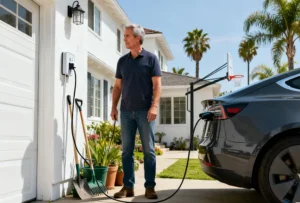
Level 1 chargers utilize a standard household outlet (120V) and provide a slow charging solution, typically adding about 4-5 miles of range per hour. This type is suitable for overnight charging at home, making it an appropriate option for users with short daily commutes.
1.2 Level 2 chargers
In contrast, Level 2 chargers operate on a higher voltage (240V) and can deliver a substantial increase in charging speed, typically ranging from 10 to 60 miles of range per hour, depending on the vehicle and charger specifications. This type of charger is commonly installed in residential and commercial settings to accommodate the needs of users who require quicker turnaround times between charges.
1.3 Level 3 DC Fast Chargers
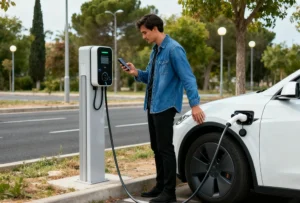
DC Fast Chargers, on the other hand, are designed for rapid charging, allowing journey-planning convenience for longer trips. These chargers can restore up to 80% battery capacity in as little as 30 minutes, depending on the vehicle and charger capabilities. While they are generally found at public charging stations, their installation involves significant infrastructure and costs, necessitating careful consideration by potential operators.
Overall, the installation of EV chargers is a critical step in fostering broader EV adoption and facilitating a seamless experience for electric vehicle users. As more individuals and businesses invest in electric vehicles, understanding these charging options will play a pivotal role in the expansion of the charging network and the accessibility of electric transportation.
Anengjienergy, a leading global EV charging technology provider, delivers turnkey solutions covering equipment manufacturing, site planning, installation guidance, and remote platform management. This article explores the essentials of EV charger installation for global B2B clients, highlighting best practices, performance standards, and customization opportunities.

2. Understanding EV Charger Installation
EV charger installation involves more than just connecting hardware — it requires comprehensive site evaluation, grid compatibility assessment, and adherence to local safety and power distribution standards.
2.1 Assessing Your Home’s Electrical System
Before proceeding with the installation of an electric vehicle (EV) charger, a thorough assessment of your home’s electrical system is essential.
This evaluation helps to ensure that the existing infrastructure can safely handle the additional load that an EV charger introduces.
The primary factors to consider include the condition of your circuit breakers, the amperage requirements of the charger, and any potential upgrades that may be necessary.
2.1.1 This evaluation involves inspecting your circuit breakers.
Most homes are equipped with a standard 100 amp electrical service; however, newer homes may have 200 amps or more.
If your home has a 100-amp service, you must determine whether this is sufficient to support an EV charger alongside existing electrical demands. An EV charger typically requires at least 240 volts and can demand anywhere from 20 to 50 amps, depending on the model and charging speed.
Thus, ensuring your circuit breakers can accommodate this configuration is crucial.
2.1.2 Consider the amperage requirements.
Different EV chargers have varying power needs. Level 1 chargers (120 volts) are slower and may require less amperage than Level 2 chargers (240 volts).
As a result, it is vital to know what type of charger you plan to install and whether your electrical system can support it effectively. Consulting an electrician for an accurate assessment can provide valuable insight here.
2.1.3 Upgrade dedicated circuits
If your home’s electrical system is not equipped to handle the additional load, you might need to upgrade your service panel or install dedicated circuits. This may involve costs but ensuring safety and efficiency in your EV charging systems is well worth the investment. Taking these proactive measures will help prevent overloading your electrical system and reduce the risk of fire hazards.
2.2 For commercial and industrial clients
the process typically includes:
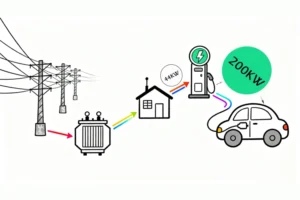
Load Capacity Assessment – Determining available electrical infrastructure and transformer capacity.
Site Design and Layout – Planning cable routing, parking space allocation, and accessibility.
Equipment Selection – Choosing between AC (Level 2) and DC fast chargers depending on use case.
Network Integration – Connecting chargers via OCPP protocol for remote management.
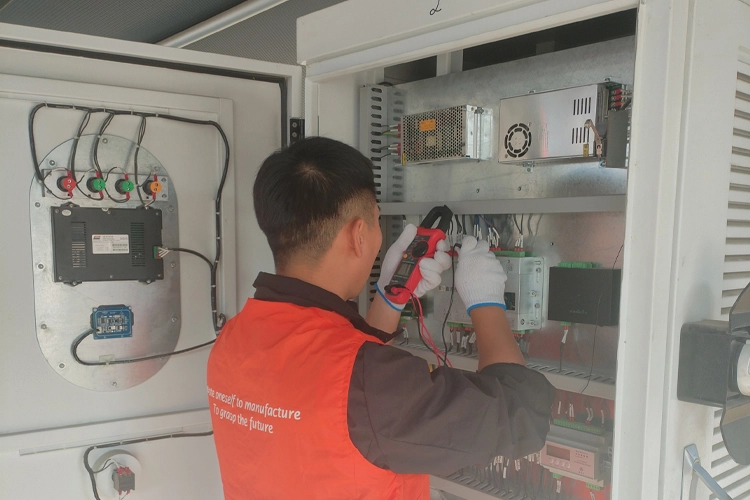
Testing & Commissioning – Verifying performance, safety, and communication functions before operation.
3. Commercial vs. Residential EV Charger Installation
| Type | Typical Power Range | Use Case | Installation Time | Key Features |
|---|---|---|---|---|
| Residential (AC) | 7–22kW | Homes, small businesses | 1–2 hours | Compact, easy plug-and-play |
| Commercial (DC) | 60–360kW | Public charging, fleets | 3–6 hours | High power, smart payment options |
Commercial EV charger installations often require more planning and advanced cooling systems, while residential units focus on simplicity and safety.
According to the International Energy Agency (IEA, 2024), the number of public fast chargers worldwide exceeded 3 million by the end of 2024, with commercial deployment growing fastest in Asia and Europe.
3.1 Choosing the Right EV Charger for Your Needs
When selecting the most suitable electric vehicle (EV) charger for your requirements, several factors merit consideration. Understanding these elements will help ensure that your investment meets your charging demands effectively and efficiently.
3.1.1 Charging speed
EV chargers typically come in three levels: Level 1, Level 2, and Level 3 DC fast charging.
Level 1 chargers use standard household outlets, providing a slower charging option, while Level 2 chargers are designed for quicker charging, ideal for home use. Level 3 DC fast chargers are primarily found in commercial settings and provide the fastest charging time, making them suitable for long-distance travel.
3.1.2 Connector types
Different EV manufacturers utilize various connector standards; thus, it’s crucial to select a charger compatible with your vehicle.
The two most common types of connectors are the SAE J1772 for Level 1 and 2 chargers, and the CCS (Combined Charging System) for DC fast chargers.
Research your electric vehicle’s specifications to ensure you choose a charger that aligns with the model you own.
3.1.3 EV charge smart features
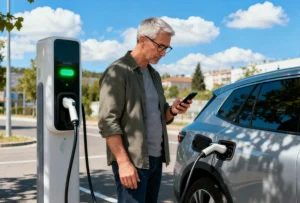
Smart chargers often provide features such as real-time monitoring, scheduling, and remote access. These capabilities allow users to manage their charging processes more effectively and optimize their energy usage.
3.1.4 Compatibility
Compatibility with different EV models is critical. Many chargers on the market can accommodate a range of vehicles, while others may cater specifically to particular brands or types. Therefore, it’s advisable to verify the charger’s compatibility with other potential future EVs you might consider.
In conclusion
when investing in an EV charger, take the time to evaluate charging speed, connector types, smart features, and compatibility with your vehicle. Doing so will result in a more satisfying and efficient charging experience.

4. Key Technical Considerations
4.1 Technical parameters
When planning EV charger installation, several technical parameters determine overall performance and cost efficiency:
Input Voltage & Frequency: Typically 380V AC ±15%, 50/60Hz.
Charging Standards: CCS2, GB/T, Type 2, or CHAdeMO depending on the region.
Protection Levels: IP54–IP65 to ensure outdoor safety and durability.
Communication Protocols: OCPP 1.6/2.0 for interoperability with backend systems.
Cooling Systems: Air-cooled or liquid-cooled for high-power DC chargers.
Smart Functions: RFID authentication, app payment, plug & charge automation.
Proper installation ensures longer charger lifespan, higher uptime, and improved ROI for B2B clients.
4.2 For proper installation, you need to find a qualified electrician to install
When considering the installation of an electric vehicle (EV) charger, the importance of hiring a qualified and licensed electrician cannot be overstated. A professional electrician with specific experience in EV charger installations will ensure that the job meets safety standards and is completed efficiently. Substandard installations can lead to electrical issues, decreased performance of the EV charger, and even safety hazards for your home.
5. Understanding the Installation Process
The installation of an electric vehicle (EV) charger is a systematic process that involves several key phases designed to ensure functionality, safety, and compliance with local regulations.
5.1 The first step is the site assessment, where a qualified electrician evaluates the installation location.
This assessment considers factors such as the electrical capacity of the home, the distance from the electrical panel to the desired charger location, and any potential obstacles that might impede the installation process. It is essential for homeowners to provide accurate information about their electric vehicle and its charging needs to facilitate a thorough evaluation.
5.2 Obtaining the necessary permits from local authorities
This step is pivotal as it ensures that the installation complies with jurisdictional codes and standards. Depending on local regulations, the permitting process can take time, and it is advisable for homeowners to familiarize themselves with their specific area’s requirements. The electrician usually assists in this process, ensuring that all documentation is accurate and submitted in a timely manner.
5.3 Installation
Once permits are secured, the installation phase can commence. This phase involves the physical installation of the EV charger, which includes mounting the charging unit and wiring it to the home’s electrical system. Electricians typically follow manufacturer instructions closely, ensuring that the charger operates at optimal performance. It is essential to use a qualified electrician for this step to avoid potential hazards and to comply with electrical codes.
5.4 Inspection
The final phase of the installation process is the inspection. After the charger has been installed, it must be inspected to verify that the installation meets all safety standards and regulations. Homeowners should expect an inspection of both the charging unit and the electrical work, which ultimately ensures that their new EV charger is safe and functional for use.

6.Cost Considerations for EV Charger Installation
Installing an [internal link: EV charger] involves several factors that affect overall costs — from hardware and labor to infrastructure readiness and local regulations. Although installation procedures are similar globally, regional differences in power pricing, subsidies, and construction standards have a major impact on total expenses. Below is a detailed cost comparison across Europe, Central Asia, Southeast Asia, Russia, and the Middle East — key regions driving the global EV charging market.
6.1. Europe
Europe is a mature market for [EV charging stations], driven by ambitious climate policies and generous public incentives. However, costs differ between Western and Eastern Europe because of variations in labor, electricity rates, and certification requirements.
Hardware and Equipment: A commercial [DC fast charger] costs between €15,000–€50,000, while AC wall chargers range from €1,000–€3,000 per unit.
Installation and Labor: In Germany, France, and the Netherlands, professional installation — including trenching, wiring, and testing — typically costs €5,000–€10,000.
Grid Connection and Permits: Upgrading to higher-capacity electrical connections may add €2,000–€20,000 depending on the site’s grid strength.
Government Incentives: Many EU countries offer subsidies covering up to 60% of installation costs, supporting both residential and [commercial charging station] projects.
Key takeaway: Europe leads in regulation and reliability, but high labor and compliance costs make careful cost planning essential for EV infrastructure investment.
6.2. Central Asia (Kazakhstan, Uzbekistan, Kyrgyzstan, Tajikistan, Turkmenistan)
The Central Asian EV market is still developing, but demand for [public EV chargers] is increasing rapidly, especially in Kazakhstan and Uzbekistan.
Hardware and Equipment: Imported DC fast chargers cost about $18,000–$40,000, depending on supplier origin and shipping costs.
Installation and Labor: Due to limited local expertise, installation services can add $5,000–$8,000 per site.
Grid Readiness: Some areas require transformer upgrades or dedicated lines, increasing total setup costs by $3,000–$15,000.
Government Support: Kazakhstan has introduced pilot subsidies for EV infrastructure, while other nations depend mainly on private investors and foreign cooperation.
Key takeaway: Central Asia offers strong long-term growth potential but higher upfront infrastructure costs, making it ideal for early investors establishing EV charging networks.
6.3. Southeast Asia (Thailand, Malaysia, Vietnam, Indonesia, Philippines, Singapore)
Southeast Asia is experiencing fast EV adoption, supported by government incentives and private investment in EV charging solutions.
Hardware and Equipment: Locally assembled AC chargers cost $800–$2,000, while imported DC chargers range from $12,000–$30,000.
Installation and Labor: Labor costs are moderate — typically $2,000–$6,000 — with additional expenses for electrical permits or power upgrades.
Energy Tariffs: Electricity prices differ greatly by country; lower in Malaysia and Indonesia, higher in Singapore — impacting long-term [EV charging operating costs].
Government Incentives: Thailand offers tax deductions, while Singapore provides rebates and grants for EV charging infrastructure installation.
Key takeaway: The region combines affordable installation with high consumer demand, positioning Southeast Asia as one of the most profitable areas for EV charger deployment in the coming decade.
6.4. Russia
Russia’s EV charging infrastructure is growing steadily, centered around major urban areas like Moscow, St. Petersburg, and Kazan.
Hardware and Equipment: Importedcommercial DC chargers cost ₽1,200,000–₽3,500,000.
Installation and Labor: Skilled labor and site preparation range between ₽300,000–₽600,000, depending on city and grid conditions.
Grid and Power Supply: In some cases, a [high-capacity EV power connection] or substation upgrade is required, adding to total costs.
Government Programs: Russia has launched pilot programs subsidizing public EV charging stations, signaling growing government support.
Key takeaway: While initial investment is higher, Russia’s developing EV market presents opportunities for early entry and partnership in EV infrastructure expansion.
6.5. Middle East (UAE, Saudi Arabia, Qatar, Oman, Israel)
The Middle East is rapidly investing in smart EV charging infrastructure as part of national clean energy and smart city initiatives.
Hardware and Equipment: High-end DC fast chargers cost around $20,000–$40,000, often imported from Europe or China.
Installation and Labor: Average installation costs range from $4,000–$8,000, influenced by local site preparation and grid accessibility.
Climate and Infrastructure: Hot weather requires additional cooling systems and IP-rated enclosures to ensure long-term reliability.
Incentives: The UAE and Saudi Arabia offer generous import duty exemptions and government-backed support for [EV charging projects].
Key takeaway: Despite higher initial costs, the Middle East’s strong policy backing and growing EV adoption make it one of the most profitable markets for EV charging station investment.
The cost of installing an EV charger varies significantly across global regions. Europe offers advanced infrastructure but high compliance costs; Central Asia and Russia provide high-growth potential with logistical challenges; Southeast Asia and the Middle East deliver cost-effective setups backed by strong policy support.
For businesses planning to expand internationally, conducting a region-specific EV charger cost analysis and building local partnerships are key to maximizing ROI and long-term market presence.
7. Maintaining Your EV Charger
Proper maintenance of your electric vehicle (EV) charger is essential for ensuring its longevity and optimal performance. Regular inspections should be conducted to identify any potential issues early on.
7.1 During these inspections
Check for any visible wear on the charging cable and connector, as well as ensuring that there are no signs of damage to the charging unit itself. Additionally, observe if the EV charger is functioning properly and producing the expected results when in use.
7.2 Cleaning
Cleaning is another critical aspect of maintenance. Accumulation of dust, debris, and other environmental factors can affect both the performance and aesthetics of your charger. Regularly wiping down the exterior with a soft cloth will help keep it in good condition.
For the connectors, use a damp cloth to remove any buildup. It’s advisable to avoid using harsh chemicals that may damage the materials. Ensure that the charger is powered off while you are cleaning to avoid any electric hazards.
7.3 Learn how to handle common problems
It is important to familiarize yourself with common issues you might encounter while using your EV charger. These can include slower charging times, inconsistent power delivery, or the charger not responding at all. Often, these can be resolved by checking the power source, inspecting the charging cable for damage, or resetting the unit. If troubleshooting does not resolve the issue, it may be necessary to consult the manufacturer’s manual or technical support.
7.4 Contact technical staff
Finally, knowing when to call a professional is crucial for effective maintenance. If you encounter significant issues, such as electrical malfunctions or persistent error codes, do not hesitate to seek the expertise of a qualified technician. Regular maintenance and prompt attention to problems will significantly enhance the reliability and lifespan of your EV charger.
8. The Future of EV Charging Infrastructure
The landscape of EV charging infrastructure is rapidly evolving, driven by advancements in technology and a growing commitment to sustainable transportation. Various innovations are shaping the way electric vehicles (EVs) are charged, enhancing user experience and accessibility.
8.1 Supercharging station
One significant development is the emergence of faster charging solutions, including ultra-fast DC chargers that can replenish an EV’s battery in a matter of minutes. These advancements not only cater to the need for speed but also significantly reduce charging time, making electric vehicles a more practical option for consumers.
8.2 Increase public charging networks
The expansion of public charging networks plays a crucial role in the future of EV charging infrastructure. As more charging stations are established in urban areas, highways, and alongside commercial centers, the convenience of charging will greatly improve. This growth is supported by various stakeholders, including government initiatives and private sector investments, which aim to create a comprehensive charging ecosystem.
The proliferation of Level 2 and Level 3 DC fast chargers will help to alleviate range anxiety among potential EV buyers, encouraging a smoother transition towards electric mobility.
8.3 Smart technologies charging stations
Additionally, the increasing shift towards smart technologies is transforming the charging experience. Features such as mobile applications that locate charging stations, provide live availability updates, and facilitate payment options are becoming standard. These innovations not only streamline the charging process but also integrate renewable energy sources, promoting eco-friendly charging practices. As the EV landscape evolves, home EV charger installations are likely to reflect these trends, with more homeowners opting for smart chargers that can interact with their home management systems.
In conclusion
The future of EV charging infrastructure appears promising, marked by technological advancements, an expanding network of public charging stations, and smarter home charging solutions. These developments will undoubtedly shape the way consumers adopt electric vehicles, paving the way for a more sustainable future in transportation.