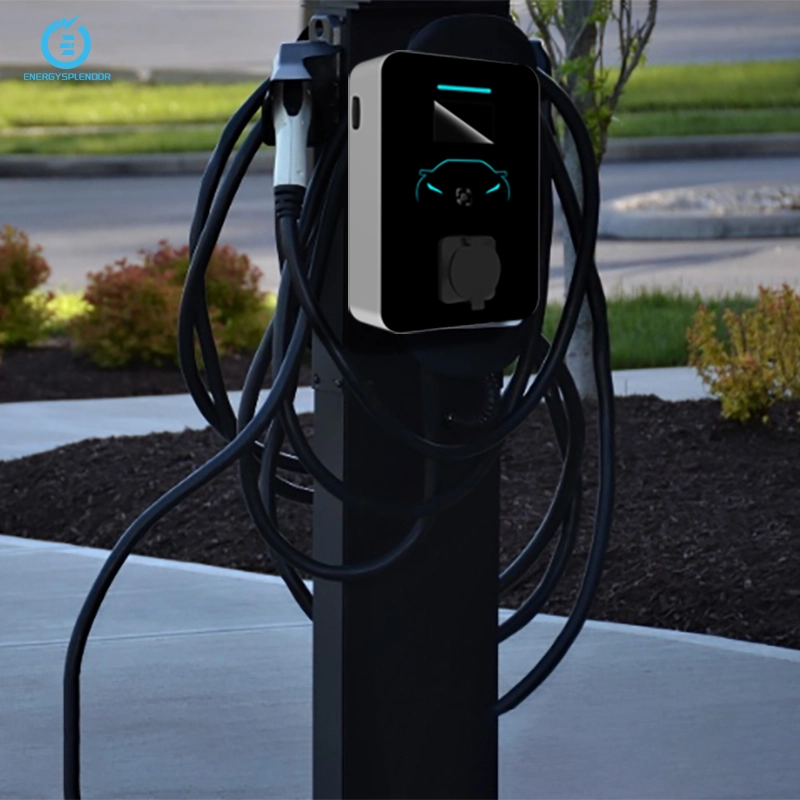


Strandard Type:
GBT:11KW/22KW
Type:7KW/11KW/22KW
Working voltage:AC230V/AC380V(L1,L2,L3+N+PE)
Frequency:50Hz
Output current:0A~32A
IP Degree:IP65
Working temperature:-30℃—+50℃
Working humidity:5%~95%HR
The cooling way:Natural air cooling
Installation mode:floor mounted or wall mounted
7kw 11kw 22kw AC EV Charging Station Information
について 7kW, 11kW, and 22kW AC EV charging station is a versatile and reliable solution, highly attractive for entrepreneurs entering the EV charging station business for sale. It features a clear viewing screen for charging data, indicator and modeling lights for easy monitoring, and swiping card access to support secure payments. The station also includes a universal socket, 4G/Ethernet connectivity, and an emergency stop button for enhanced safety. Built with durable components and intelligent software, it ensures compatibility with most electric vehicles on the market.
From an investment perspective, this AC EV charging station delivers low maintenance costs, long service life, and scalable configurations, ensuring a fast return on investment (ROI). Ideal for commercial parking lots, residential communities, and business operators, it provides not only dependable charging but also a strong business model to grow in the rapidly expanding EV infrastructure market.
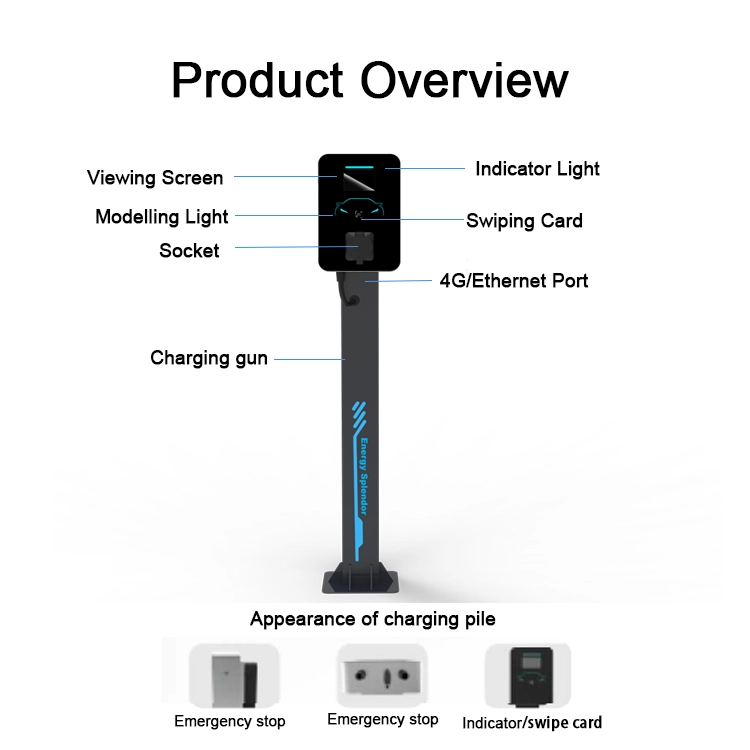
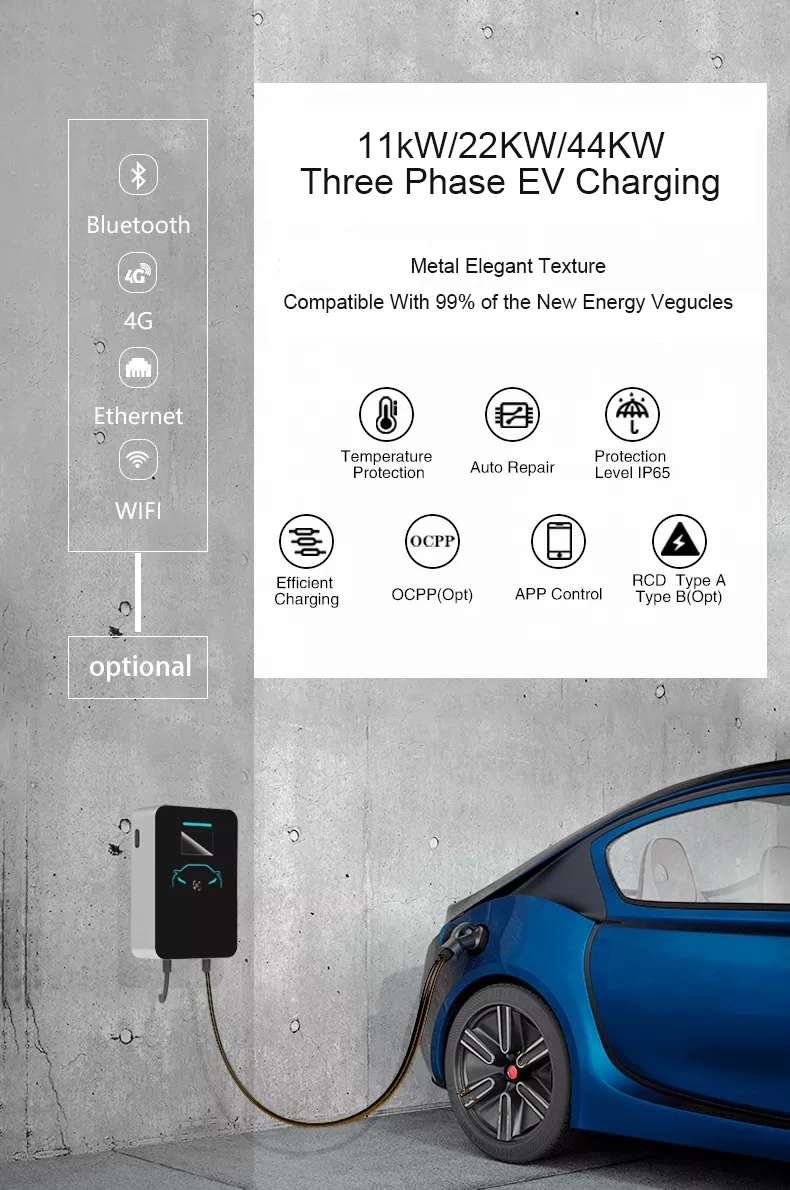
Level 2 GBT Type 2 AC EV Charging Stations Function
As the electric vehicle (EV) market continues to grow rapidly, businesses are increasingly exploring opportunities in the AC EV charging stations business for sale. Among the available solutions, Level 2 GBT Type 2 AC EV charging stations stand out due to their advanced functionality, reliability, and compatibility with a wide range of new energy vehicles.
One of the key advantages of Level 2 GBT Type 2 chargers is their compatibility with 99% of new energy vehicles on the market. This ensures that EV owners can charge seamlessly without worrying about connector mismatches or voltage compatibility. Whether it’s for private EV fleets, commercial parking lots, or public charging hubs, these stations provide a versatile and future-proof solution.
Modern AC EV charging stations come equipped with temperature monitoring systems そして auto repair capabilities. The temperature control ensures that the charger operates safely under high or low environmental conditions, preventing overheating and enhancing component lifespan. Auto repair functions allow the station to detect minor faults and automatically correct them, reducing downtime and maintenance costs for operators.
Durability is crucial for EV charging infrastructure. Level 2 GBT Type 2 AC chargers feature IP65-rated enclosures, making them highly resistant to dust, water, and harsh weather conditions. This rugged design ensures reliable operation in both indoor and outdoor environments, which is especially important for businesses seeking to expand their AC EV charging stations business for sale in different locations.
To meet the growing demand for smart energy management, these charging stations support OCPP(オープン・チャージ・ポイント・プロトコル). OCPP compliance enables seamless integration with energy management systems, remote monitoring, and real-time data reporting. Businesses investing in an AC EV charging stations business for sale can leverage this feature to optimize operations, track usage, and offer subscription-based or pay-per-use services effectively.
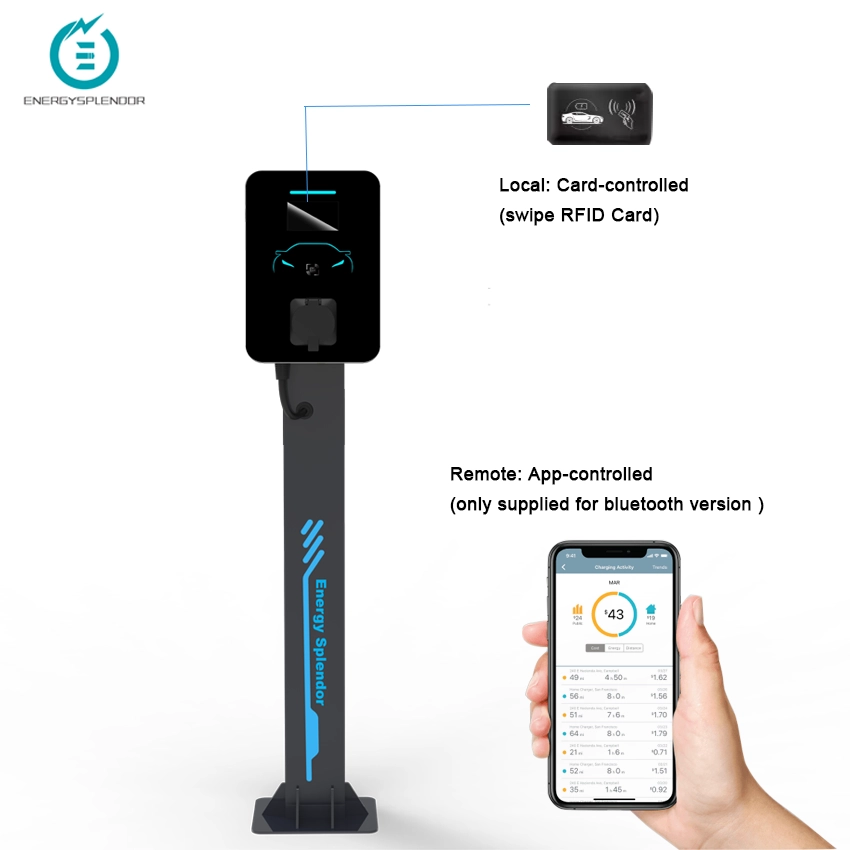
AC EV Charging Stations with App Control and Swipe RFID Card
As the electric vehicle (EV) market grows, AC Level 2 EV charging stations business for sale has become a lucrative opportunity for investors and operators. Modern charging stations now offer advanced features such as app control そして RFID card access, making them more convenient, secure, and user-friendly for both operators and EV owners.
One of the standout features of these AC EV charging stations is the mobile app control. Through the dedicated app, users can easily locate nearby chargers, check real-time availability, and remotely start or stop charging sessions. The app also provides detailed charging status updates, including energy consumption, charging speed, and estimated completion time.
For business operators, app integration allows remote monitoring and management, including firmware updates, usage analytics, and energy load balancing. This smart functionality ensures efficient station operation while enhancing user experience, a key factor when considering an AC Level 2 EV charging station business for sale.
In addition to app control, RFID card functionality offers secure and convenient access to EV charging stations. Users can simply swipe a registered card to initiate a charging session, eliminating the need for cash or mobile authentication every time. This feature is particularly useful in commercial or public locations where multiple users need controlled access.
For operators, RFID cards also allow user tracking and billing management, making it easy to implement subscription plans or pay-per-use models. The combination of RFID access and app control creates a flexible, secure, and scalable solution for both customers and charging station operators.
AC EV charging stations with app control and swipe RFID card access represent the next generation of EV infrastructure. By combining user convenience, secure access, and smart management tools, these stations offer an attractive solution for operators and investors looking to enter the rapidly expanding EV charging market.
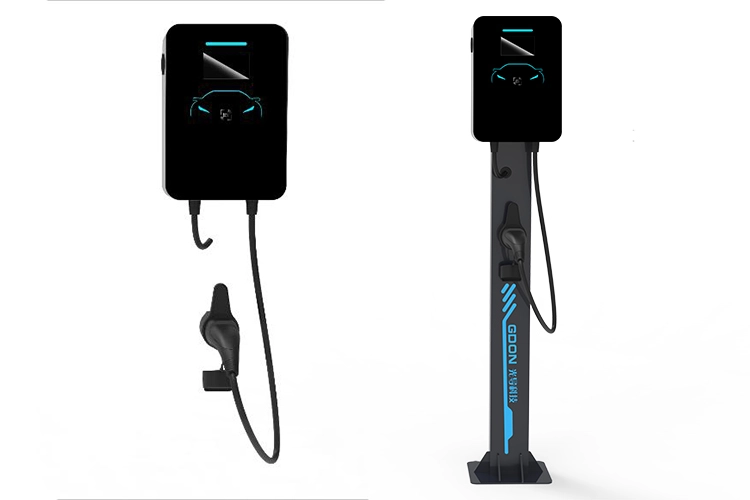
Floor Mounted Or Wall Mounted AC EV Charging Station For Sale
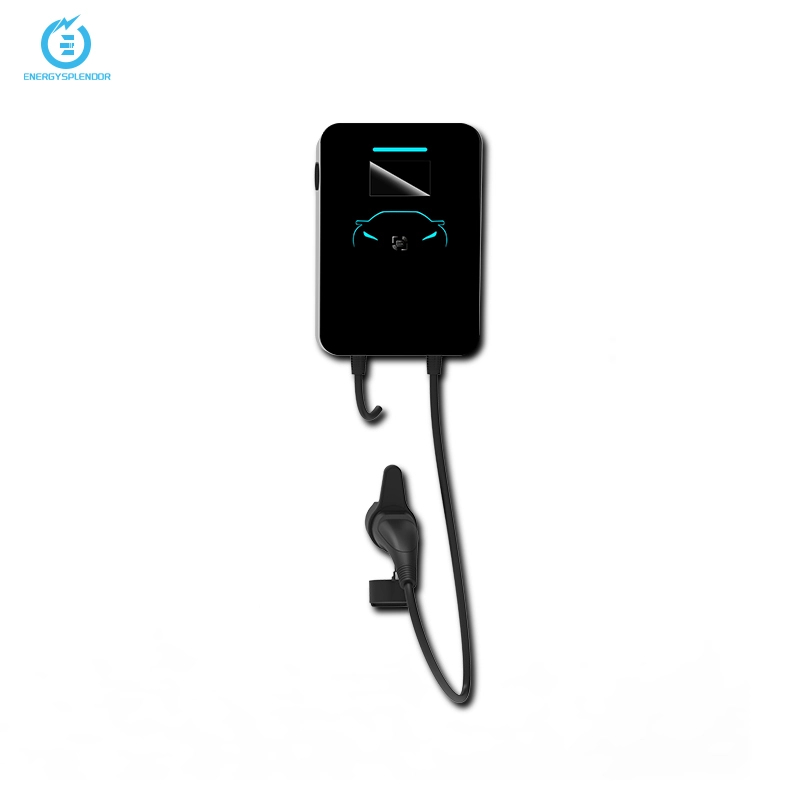
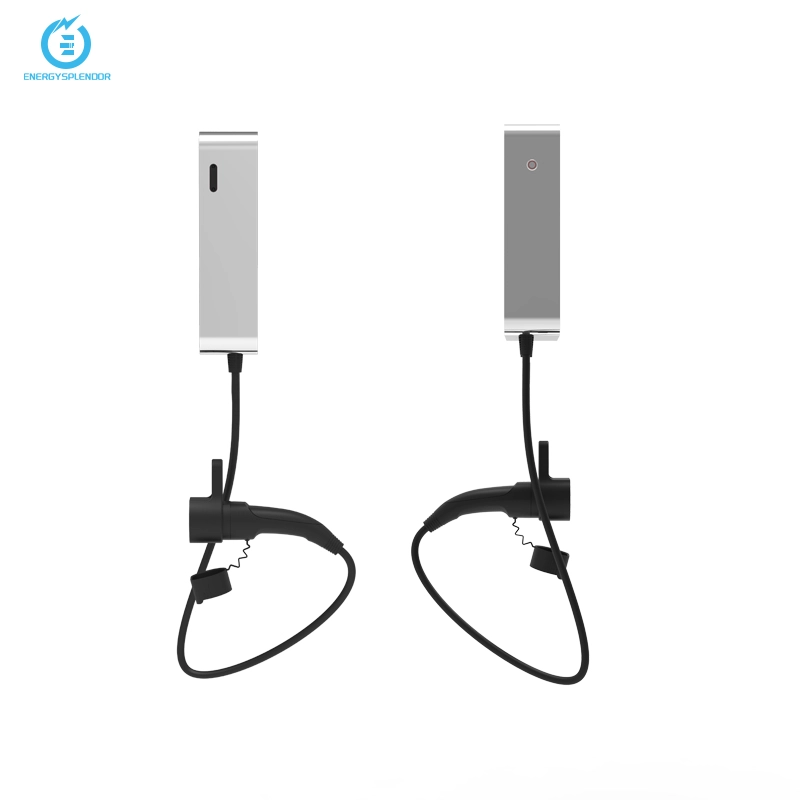
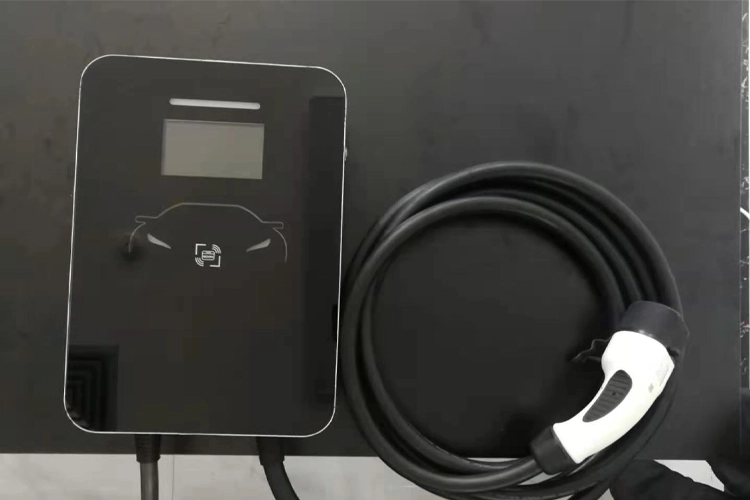
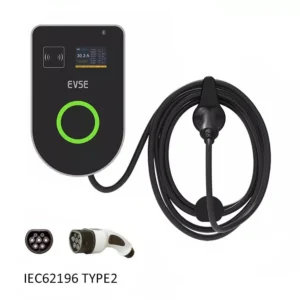
wall mounted ac ev charging station shows a sleek black AC EV charging station with a built-in screen and RFID card icon, accompanied by a coiled charging cable and connector. This smart wall-mounted EV charger is suitable for residential garages, commercial charging stations, and supplier business opportunities. It provides reliable AC charging solutions for electric vehicles and supports growing EV infrastructure demand.
AC EV Charging Stations Wholesale Business For Sale
As the electric vehicle (EV) market accelerates globally, the demand for AC EV charging stations has skyrocketed. For entrepreneurs and investors, acquiring an AC EV charging stations wholesale business for sale presents a lucrative opportunity to enter the rapidly expanding EV infrastructure market.
The wholesale model allows businesses to supply multiple AC EV charging stations to commercial operators, public charging hubs, and residential developers. By focusing on bulk distribution, wholesalers benefit from economies of scale, higher margins, and long-term partnerships with clients in the EV ecosystem.
Wholesale businesses can cater to a variety of customers, including:
Commercial parking lots seeking multiple charging points.
Property developers integrating EV infrastructure into residential complexes.
Fleet operators looking to electrify company vehicles efficiently.
Modern AC EV charging stations come with features that appeal to both operators and end-users:
App control and monitoring: Users can start, stop, and track charging sessions remotely.
RFID card access: Secure and convenient authentication for multiple users.
OCPP compliance: Ensures seamless integration with energy management systems.
Fast and efficient charging: Level 2 AC stations reduce downtime for EVs.
IP65 durability: Weatherproof design suitable for indoor and outdoor installations.
These features increase usability, reliability, and profitability, making wholesale distribution a smart business choice.
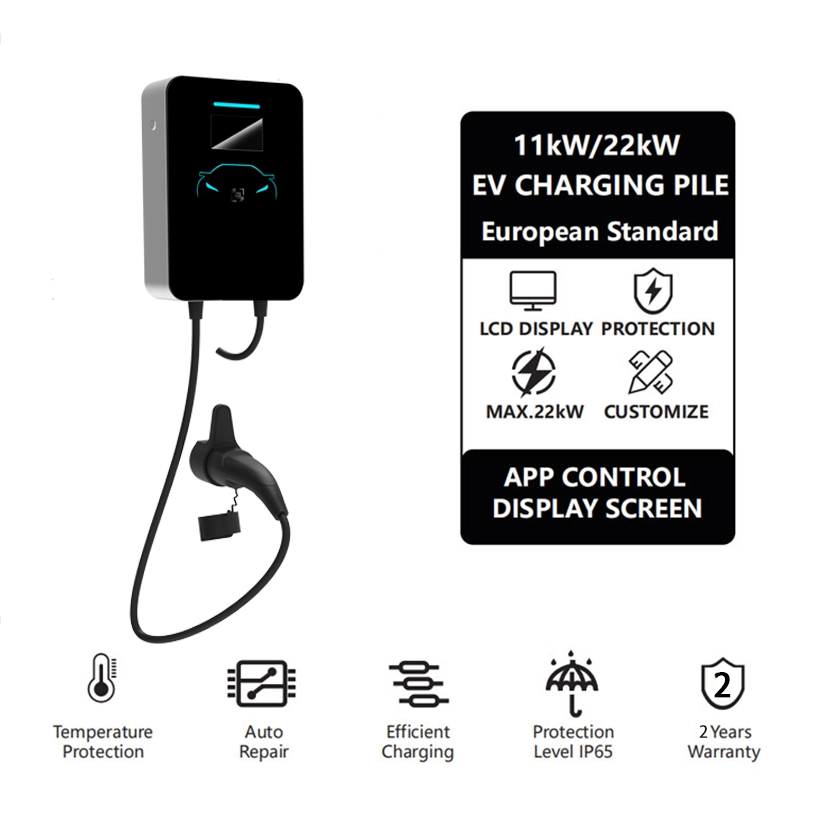
China Custom AC EV Charging Stations Manufacturer For Sale
As the electric vehicle (EV) market expands globally, the demand for custom AC EV charging stations continues to grow. アネンジエネルギー, a leading Chinese manufacturer, offers businesses the opportunity to acquire a high-quality, reliable source of custom AC EV chargers while also providing flexible manufacturing solutions tailored to client needs.
At Anengjienergy, customization is a key advantage. The company can provide:
Customized Power Ratings: From Level 2 AC chargers suitable for home and commercial use, to higher-capacity solutions for fleet operators.
Connector Types: Options include GBT Type 2 and other international standards to ensure compatibility with 99% of new energy vehicles.
Branding & Design: Businesses can request custom logos, colors, and housing designs to create unique products for their market.
Software Integration: App-controlled chargers and OCPP compliance can be tailored to match client management platforms.
These capabilities make Anengjienergy an ideal partner for companies looking to enter the AC EV charging station market with unique, differentiated products.


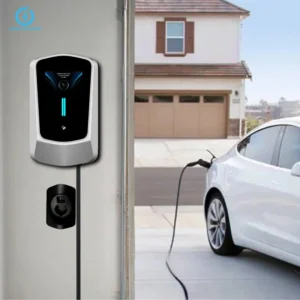


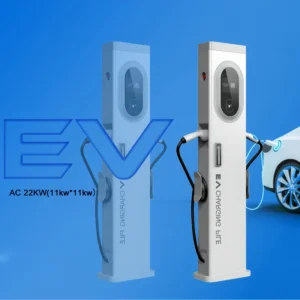
We acquired AC EV charging stations from this wholesale business for multiple commercial projects. The units are reliable, fast, and compatible with various EV models. Easy installation and OCPP support make management seamless, providing excellent value and efficiency for large-scale operations.
Partnering with this AC EV charging stations supplier has been excellent for our business. The units are reliable, easy to install, and support multiple EV models. OCPP integration simplifies monitoring and management, making it a smart and scalable solution for commercial and wholesale opportunities.
We purchased AC EV charging stations from this distributor business and are very satisfied. The chargers are fast, reliable, and compatible with multiple EV models. Easy to install and OCPP-enabled for remote monitoring, they provide efficient operations and excellent support for our commercial projects.
We installed EV charging stations at multiple commercial properties and are impressed. They provide fast, reliable charging, support various EV models, and are built for heavy use. OCPP integration enables remote monitoring and smart management, ensuring smooth, efficient operations for tenants and visitors.
We implemented EV charging stations across several office buildings. They deliver fast, reliable charging for employees and visitors, support multiple EV models, and are built for heavy daily use. OCPP integration allows easy remote monitoring and management, ensuring smooth and efficient operations.
We deployed EV charging stations in multiple shopping malls and are very satisfied. They provide fast, reliable charging for visitors, support various EV models, and handle heavy daily usage. OCPP-enabled remote monitoring ensures efficient management and a seamless customer experience.
EV Charging Station Business Maintenance Services
EV Charging Station Business Maintenance Services are essential for ensuring reliable operation, safety, and longevity of charging infrastructure. For businesses operating commercial or public EV charging stations, proper maintenance not only protects the investment but also enhances user satisfaction and operational efficiency.
Regular Inspection & Testing
Check all electrical connections, plugs, sockets, and cables for wear and tear.
Test chargers for proper voltage, current, and safety compliance.
Inspect indicator lights, touchscreens, and user interfaces for functionality.
Software Updates & Remote Monitoring
Update firmware and software to improve performance and add new features.
Enable remote diagnostics to monitor charging activity, detect errors, and reduce downtime.
Preventive Maintenance
Scheduled inspections to replace worn components before failures occur.
Cleaning of charging ports, vents, and screens to prevent debris buildup.
Emergency Repair Services
Rapid response for faulty chargers, damaged cables, or power outages.
On-site repairs to minimize disruption for users.
Load Management & Calibration
Ensure chargers are balanced across circuits to prevent overloads.
Calibrate meters for accurate billing and energy monitoring.
Safety Compliance Checks
Verify that all units comply with local electrical codes and safety standards (CE, UL, IEC).
Test emergency stop features and circuit protections.
Maximized Uptime: Well-maintained chargers reduce downtime, ensuring users can always charge their vehicles.
Extended Equipment Life: Regular servicing increases the lifespan of costly charging units.
Improved User Experience: Functioning chargers with fast response times enhance customer satisfaction.
Regulatory Compliance: Routine checks keep stations aligned with safety and reporting requirements.
Operational Efficiency: Remote monitoring and preventive maintenance reduce service costs and unplanned outages.
Summary:
For an EV充電ステーション事業, professional maintenance services are crucial to keep the network reliable, safe, and efficient. Providers like アネンジエネルギー offer comprehensive maintenance support, を含む。 software updates, preventive inspections, emergency repair, and load management, helping commercial operators maximize uptime and ensure customer satisfaction.
How profitable is an AC EV charging station business?
アン AC EV charging station business can be quite profitable, especially as electric vehicle adoption grows worldwide and charging infrastructure becomes a critical service. Here’s a detailed analysis of profitability factors:
Charging Fees
Businesses can charge per kWh, per session, or via subscription plans.
AC chargers (Level 2, 7–22 kW) are ideal for workplaces, commercial properties, and residential complexes, offering moderate charging speeds suitable for several hours of parking.
Value-Added Services
App-based features like reservation systems, membership plans, and loyalty programs.
Advertising on charger interfaces or at charging locations.
Partnerships & Fleet Services
Serving commercial fleets, ride-hailing EVs, or delivery vehicles can generate steady contracts and predictable revenue.
設置費用
AC Level 2 chargers are less expensive than DC fast chargers, typically ranging from $3,000–$10,000 per unit depending on power and features.
Costs include electrical upgrades, permits, and labor.
Operational Costs
Electricity costs, software management, and occasional maintenance.
AC chargers have lower energy demands and fewer maintenance issues compared to DC fast chargers.
Maintenance & Support
Routine inspections, software updates, and emergency repairs.
Choosing reliable suppliers like アネンジエネルギー can reduce downtime and repair costs, improving profitability.
Utilization Rate
Profit grows with higher station usage, e.g., in commercial areas, shopping malls, or apartment complexes.
Pricing Strategy
Charging per kWh or session can yield 10–25% margin depending on electricity cost and local market rates.
Location Advantage
High-traffic areas with long dwell times (offices, malls, hotels) increase charging sessions per day.
政府インセンティブ
Subsidies, tax breaks, or grants can reduce upfront costs and improve ROI.
Many countries offer incentives for businesses installing AC EV chargers.
Payback Period: Typically 2–5 years for AC charging stations, depending on location, electricity cost, and usage.
Long-Term Profitability: と EV adoption projected to rise sharply, AC chargers provide steady recurring revenue, especially in workplaces and commercial properties.
AC vs DC charging stations business for sale
評価 AC vs DC charging stations for business investment or sale, it’s important to consider cost, speed, target market, and revenue potential. Here’s a detailed comparison:
Features:
Power: 7–22 kW (single or three-phase).
Charging speed: Adds 15–40 miles of range per hour, depending on EV and charger rating.
Typical use: Workplaces, commercial properties, residential complexes, and long parking dwell times.
Business Considerations:
Lower installation cost: $3,000–$10,000 per unit, depending on features and infrastructure.
Lower operational cost: Less energy-intensive than DC fast chargers.
Revenue potential: Steady, recurring income from long-duration parking sessions.
Market suitability:に最適 commercial properties, shopping centers, and fleet parking, where vehicles park for several hours.
Advantages:
Cost-effective to deploy in multiple locations.
Compatible with most EVs (Type 1, Type 2, GBT, Tesla adapters).
Easier maintenance and fewer technical issues.
Features:
Power: 50 kW–350 kW or more.
Charging speed: Adds 150–300 miles of range per hour, enabling fast turnaround.
Typical use: Highway stops, service stations, fleet depots, and public fast-charging hubs.
Business Considerations:
Higher installation cost: $30,000–$150,000 per unit (includes grid upgrades, high-power equipment).
Higher operational cost: Significant electricity demand and cooling requirements.
Revenue potential: Higher per-session revenue due to fast charging, but requires heavy utilization.
Market suitability: Best for commercial hubs, highway stations, and fleet operators needing rapid turnaround.
Advantages:
Attracts high-value users who need quick charging.
Supports fleet and commercial EV operations efficiently.
Often eligible for government incentives for high-speed infrastructure.
AC Stations for Sale: Lower entry cost, easier to manage, suitable for small-to-medium commercial properties.
DC Stations for Sale: High capital cost but higher revenue per session; suitable for large-scale commercial or public charging businesses.
Location is critical: DC chargers perform best along highways and urban fast-charging hubs; AC chargers excel in long-stay parking areas.
Hybrid Business Model: Some investors combine AC and DC stations to serve both long-duration and quick-charging needs, maximizing revenue streams.
Summary:
AC Charging Business: Cost-effective, steady revenue, ideal for commercial properties, workplaces, and residential complexes.
DC Charging Business: High-speed, high-revenue potential, best for highways, public hubs, and fleet operations.
What is the cost of buying AC EV charging stations?
について cost of buying AC EV charging stations varies depending on power rating, features, and deployment scale. Here’s a breakdown:
Power Rating: 7–11 kW
Price Range: $500–$2,000 per unit
Use Case: Home installations, small offices, or boutique commercial properties
Notes: Usually plug-and-play with single-phase power; installation costs may be additional.
Power Rating: 11–22 kW (single or three-phase)
Price Range: $2,500–$10,000 per unit
Use Case: Shopping malls, office complexes, multi-family residential buildings, fleet depots
Notes: Supports multiple plug types (Type 1, Type 2, GBT, Tesla adapters); may include smart management features, touchscreens, or app integration.
Number of Ports: Dual or multi-port chargers cost more but allow multiple vehicles to charge simultaneously.
Smart Features: App control, scheduling, remote monitoring, energy tracking, and billing increase the unit price.
Installation Costs: Electrical upgrades, trenching, conduit, and labor can add $1,000–$5,000 depending on site conditions.
Quality & Certifications: Units from reliable manufacturers like アネンジエネルギー often include CE, TUV, or UL certification, ensuring 安全性と耐久性, which may slightly increase upfront cost but reduce maintenance expenses.
High-quality components ensure long lifespan and minimal downtime.
Cost-effective pricing makes it feasible to deploy multiple units for commercial properties.
Flexible modular design allows scaling up as EV demand grows.
Summary:
For a commercial AC EV charging station, you can expect to pay around $2,500–$10,000 per unit, with additional installation costs. Choosing trusted suppliers like Anengjienergy ensures high performance, reliability, and excellent value for money, making it a smart investment for businesses looking to enter the EV charging market.
Are AC EV charging stations good for commercial use?
Yes, AC EV charging stations are very suitable for commercial use, particularly in locations where vehicles are parked for several hours, such as offices, shopping centers, hotels, and fleet depots. Here’s why:
AC chargers (Level 2, 7–22 kW) are significantly cheaper than DC fast chargers, both in hardware and installation costs.
They often require less complex electrical infrastructure, reducing upfront investment for businesses.
AC chargers support most EV models using Type 1, Type 2, GBT, or Tesla adapters.
This makes them ideal for public-facing commercial properties where multiple EV brands are expected.
Level 2 AC chargers typically provide 15–40 miles of range per hour, suitable for employees, shoppers, or tenants who park for several hours.
This matches the parking duration patterns of most commercial locations, optimizing utilization without excessive energy draw.
Modern AC chargers can include app control, user authentication, billing, and energy monitoring, making it easy for businesses to manage multiple users and generate revenue.
Load management features ensure efficient energy distribution across multiple chargers, avoiding overloading circuits.
AC chargers have fewer complex components than DC fast chargers, which reduces downtime and maintenance costs.
Choosing high-quality manufacturers like アネンジエネルギー ensures durable construction, safety compliance, and long-term reliability.
Businesses can monetize charging by offering per-session or subscription-based charging fees.
AC chargers are ideal for fleet management, commercial properties, and multi-family residential complexes, providing steady, recurring revenue.
Summary:
AC EV charging stations are cost-effective, reliable, and compatible with a wide range of vehicles, making them excellent for commercial use. For businesses looking to deploy EV charging infrastructure, high-quality AC chargers from suppliers like Anengjienergy provide flexible, scalable, and smart solutions that balance installation cost, usability, and profitability.
EV Charging Stations Business For Residential Apartments
If you’re considering acquiring or establishing an EV charging station business for residential apartments, there are several avenues to explore, each offering unique opportunities and considerations. Here’s a comprehensive guide to help you navigate your options:
Collaborating with established EV charging providers can streamline the process of integrating charging stations into residential properties. Here are some reputable companies offering solutions tailored for multifamily dwellings:
Blink Charging: Offers turnkey solutions for installing EV charging stations in apartments and condos. Their services include equipment provision, installation, and maintenance, making it easier for property owners to offer charging amenities to residents.
Hypercharge: Provides EV charging stations designed for easy integration into existing electrical systems of apartments and condos. Their software enables property managers to monitor and manage power consumption efficiently, ensuring seamless operations.
チャージポイント: Offers a range of EV charging solutions suitable for residential properties. Their networked chargers allow property managers to monitor usage, set pricing, and manage access, providing a comprehensive solution for apartment complexes.
EVESCO: Specializes in EV charging solutions for multifamily properties, utilizing intelligent energy storage to lower energy bills and optimize energy usage. They offer flexible business models, including leasing options, to suit various property needs.
Installing EV charging stations in residential apartments requires careful planning and investment. Key considerations include:
設置費用: Level 2 charging stations typically range from $1,000 to $4,000 per port, with installation costs varying based on site conditions and electrical infrastructure.
Electrical Infrastructure: Assessing the existing electrical capacity is crucial. Some properties may require upgrades to handle the additional load of EV chargers.
Permits and Regulations: Navigating local regulations and obtaining necessary permits is essential to ensure compliance and avoid potential delays.
There are several business models to consider when integrating EV charging stations into residential properties:
Host-Owned Model: The property owner installs and maintains the charging stations, generating revenue by charging residents for usage. This model provides full control over pricing and operations.
Provider-Owned Model: An external provider installs and operates the charging stations, sharing a portion of the revenue with the property owner. This model reduces the upfront investment for the property owner.
Leasing Model: Some providers offer leasing options, allowing property owners to install EV charging stations with minimal upfront costs. The property owner then shares a portion of the revenue with the provider.
To successfully establish an EV charging station business in residential apartments, consider the following steps:
Assess Demand: Conduct surveys or gather data to determine the interest level among residents for EV charging stations.
Evaluate Infrastructure: Assess the existing electrical infrastructure to determine if upgrades are necessary to support EV chargers.
Select a Provider: Choose a reputable EV charging provider that offers solutions tailored for multifamily properties.
Obtain Permits: Navigate local regulations and obtain the necessary permits for installation.
Install and Maintain: Oversee the installation process and ensure ongoing maintenance to keep the charging stations operational.
もっと見る
電気自動車充電ステーション製品
コミュニケーションへようこそ