

1. Overview: The Rise of Electric Mobility in Central Asia
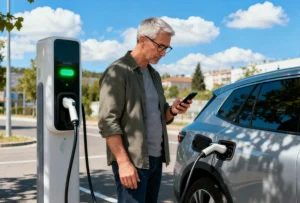
The electric vehicle (EV) market in Central Asia is undergoing a significant transformation, driven by global sustainability goals and the rising demand for clean transportation. As electric mobility expands, the need for robust charging infrastructure becomes critical to ensure smooth adoption.
In recent years, high fuel prices and growing environmental awareness have pushed both consumers and governments to support EV adoption. Central Asian countries are implementing policies to reduce greenhouse gas emissions and promote renewable energy, signaling a long-term commitment to sustainable development.
However, the expansion of EVs also brings challenges—particularly the availability and accessibility of charging stations. Establishing a comprehensive charging network is essential to reduce range anxiety and boost consumer confidence in electric mobility.
2. The Leaders in Charging Station Manufacturing
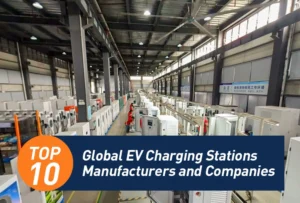
The success of EV infrastructure in Central Asia largely depends on the efforts of innovative charging station manufacturers. Several companies have taken the lead in introducing efficient, sustainable, and region-specific solutions.
2.1. Anengjienergy: Pioneering Smart Charging Technology
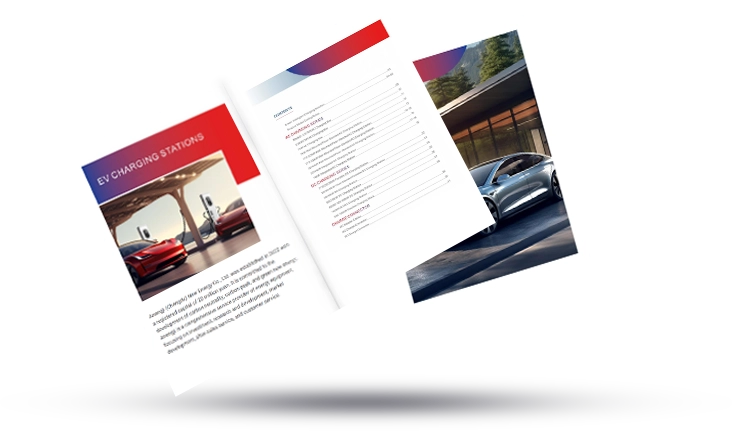
Anengjienergy has emerged as a top manufacturer in the region, recognized for its advanced EV charging systems that combine reliability with intelligent technology. Their range of fast and slow chargers caters to both residential and commercial sectors, helping expand EV accessibility across Central Asia.
2.2. Technopark Group: Accelerating Fast-Charging Networks
Technopark Group has built a reputation for producing high-speed EV chargers that drastically cut charging times. Their collaborations with local governments and businesses have helped deploy charging networks in major cities, improving convenience for EV users.
2.3. GreenPower Solutions: Promoting Renewable Energy Integration
Focusing on sustainability, GreenPower Solutions integrates solar and wind energy into its charging stations. This reduces the carbon footprint associated with EV charging and aligns with global decarbonization targets.
2.4. AgriTech Innovations: Expanding Access in Rural Areas
AgriTech Innovations has developed affordable and accessible charging stations for rural and remote areas. Their approach ensures that EV infrastructure development is inclusive, supporting the broader vision of sustainable mobility across all regions of Central Asia.
3. Successful EV Charging Projects Across the Region
The rollout of EV charging infrastructure in Central Asia has seen notable progress, with several successful projects improving charging accessibility and efficiency.
3.1. Thailand: Building Fast-Charging Corridors
Thailand’s EV network expansion includes fast-charging stations along major highways and in remote locations. Collaboration between manufacturers and local authorities has boosted user confidence and accelerated EV adoption.
3.2. Indonesia: Integrating Charging Hubs in Urban Centers
Indonesia’s initiative focuses on installing EV charging points in shopping centers and transport hubs, ensuring that urban EV users enjoy reliable service during peak hours. The project’s success has inspired further government-backed investments.
3.3. Georgia, Uzbekistan, dan Kazakhstan: Regional Collaboration and Growth
In Georgia, government partnerships have resulted in cross-border EV charging networks, improving travel convenience. Similarly, Uzbekistan and Kazakhstan are investing in national charging corridors, boosting EV market growth and regional cooperation.
4. Future Trends and Challenges in EV Infrastructure
As the Central Asian EV industry continues to evolve, two key trends are shaping the future: fast-charging innovation dan renewable energy integration.
4.1. Fast-Charging Technology: Reducing Wait Times
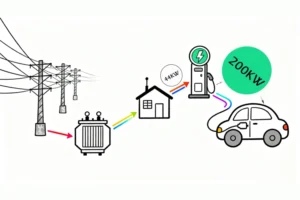
Manufacturers are prioritizing ultra-fast charging solutions to enhance user experience and support growing EV adoption. This technology plays a vital role in reducing downtime and making EVs more practical for daily use.
4.2. Renewable Energy Integration: Toward Sustainable Power
Integrating renewable sources such as solar and wind power into EV charging stations minimizes environmental impact and operational costs. This approach aligns with the region’s sustainability goals and helps reduce dependency on fossil fuels.
4.3. Overcoming Regulatory and Investment Barriers
Despite rapid progress, challenges remain. Regulatory inconsistencies across Central Asian countries complicate standardization of charging infrastructure. Additionally, high infrastructure costs and competition from global players demand continuous innovation and strategic partnerships.
Collaboration among governments, energy providers, and manufacturers will be crucial to overcoming these barriers and ensuring sustainable EV infrastructure growth.
5. Conclusion: A Promising Road Ahead for Central Asia’s EV Market
The development of charging stations in Central Asia reflects a region poised for sustainable growth. Through technological innovation, renewable integration, and strong collaboration between public and private sectors, Central Asia is paving the way for a greener, smarter transportation future.