

The UK added 777 new public EV charging devices in October, according to monthly figures published by Zapmap.
The additional units push the national network further toward full geographic coverage, especially across major transport corridors and high-demand urban locations.
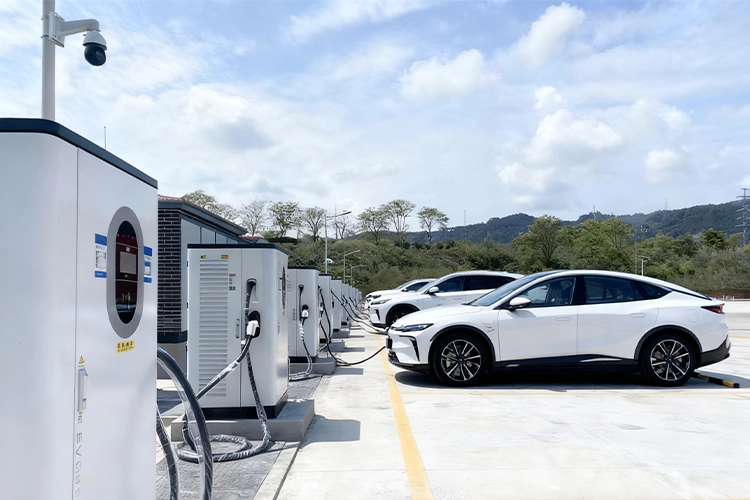
A significant share of the new chargers were high-power or rapid devices, reflecting a continued shift away from early low-power infrastructure. Many of these were deployed at multi-unit hubs, rather than single standalone chargers, showing that operators are prioritizing reliability and queue reduction.
Rapid chargers show the strongest month-on-month growth
While low-power destination chargers still account for the largest share of the UK network overall, rapid and ultra-rapid installations saw the highest percentage growth in October.
Growth was driven by motorway service areas and retail locations adding new high-power units
Several operators launched or expanded large charging hubs of 6–12 devices per site
The trend indicates a push to support long-distance travel and faster charging turnaround times
Network distribution trends
According to Zapmap’s breakdown, installation patterns continue to shift:
Urban concentration remains high, but regions outside London and the South East are expanding faster per capita
Areas previously classified as “charging deserts” saw gradual improvement as local authorities released funding
Multi-charger hub deployment is becoming more common than single points, especially from energy suppliers and supermarket operators
Private sector leads most growth
Much of the October expansion came from private charging networks, reflecting strong investment interest from chargepoint operators, retail groups, and forecourt owners.
At the same time, councils continued deploying on-street residential chargers—particularly in areas with low driveway access—helped by central government support schemes.
Long-term outlook
With consistent month-on-month additions, experts expect:
Higher density of rapid hubs on major A-roads and strategic freight routes
Increased interoperability between networks
More roaming access through unified charging apps and payment platforms
Industry analysts say this steady rollout is critical for EV adoption, especially for drivers without home charging access.