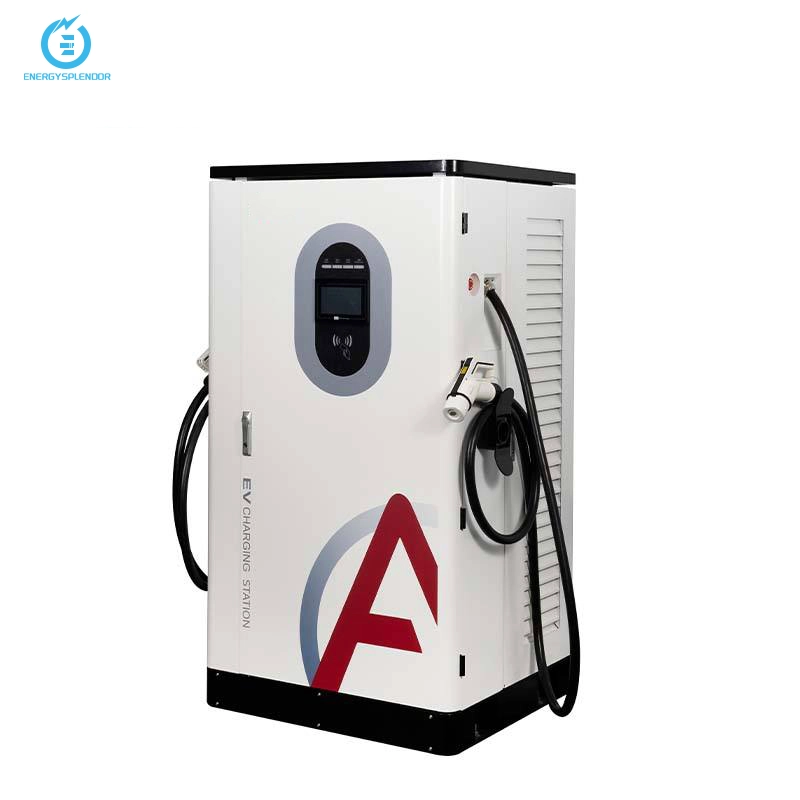
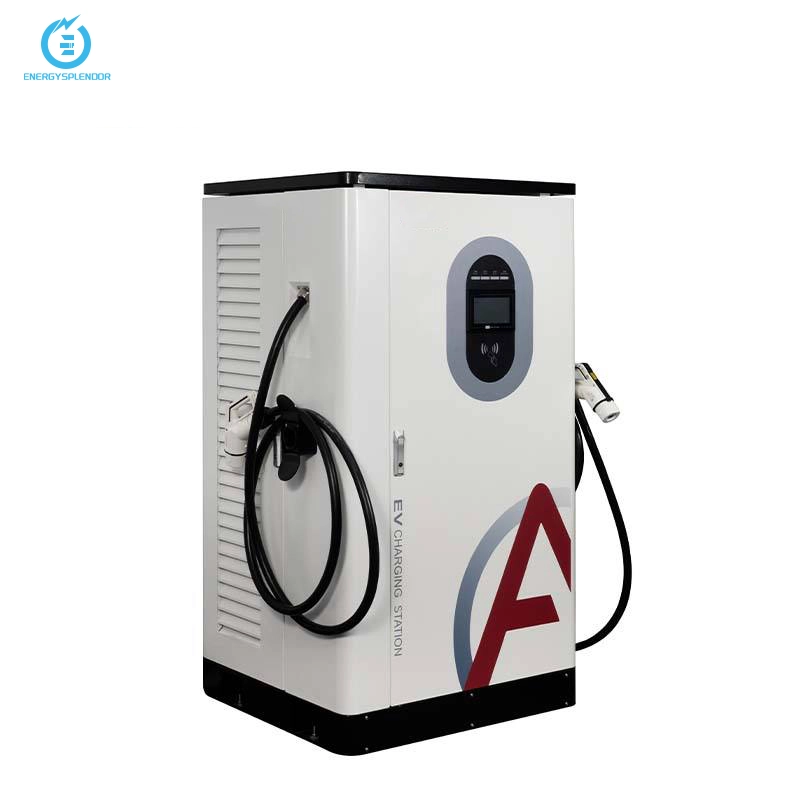
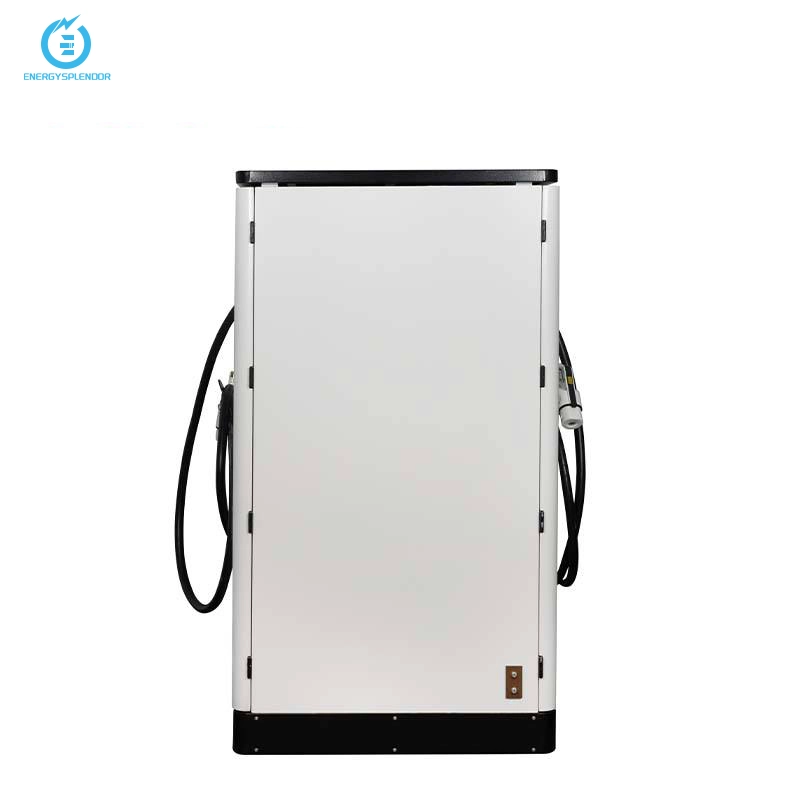
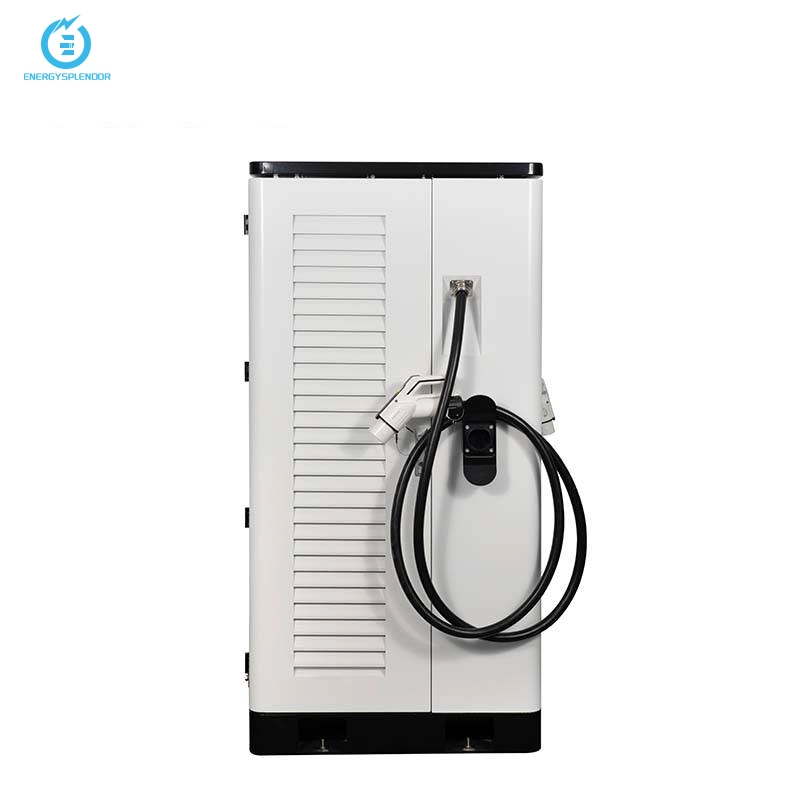
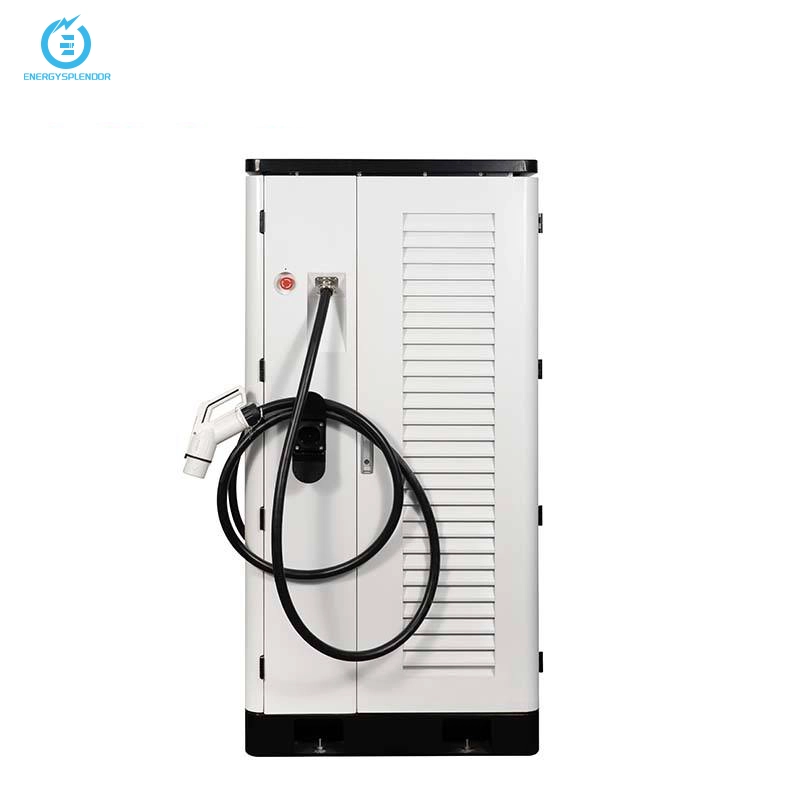
| Eingangsspannung | AC380V±15% | |||
| Ausgangsspannung | 200-1000VDC | |||
| Effizienz | ≥95% | |||
| Cooling method | forced air cooling | |||
| Aufladeverfahren | Swipe card charging/scan code charging/password charging | |||
| protection grade | IP54 | |||
| operation temperature | -20℃~+50℃ | |||
| altitude | <2000m | |||
Level 3 EV Charging Stations – DC Fast Electric Vehicle Charger
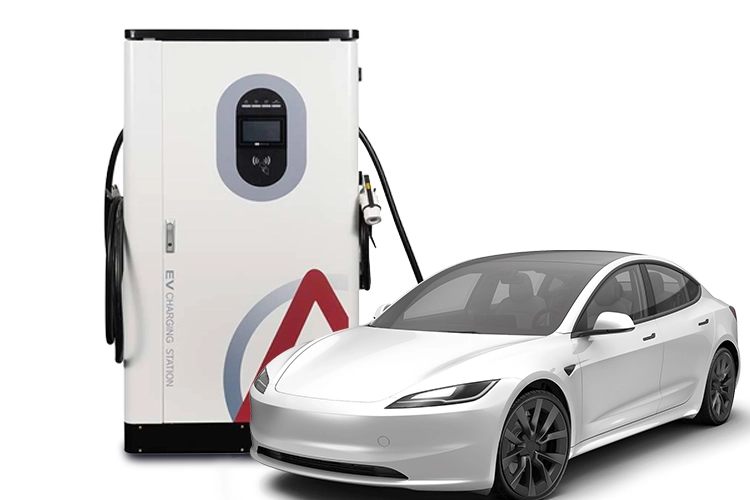
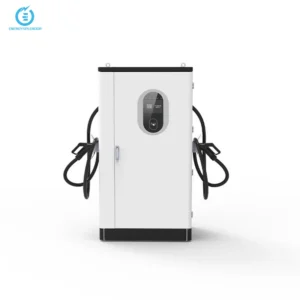
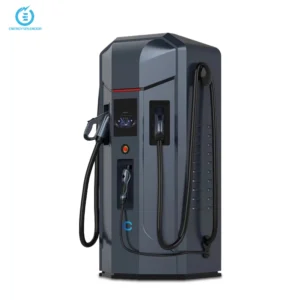
Die Level 3 EV-Ladestationen deliver ultra-fast charging performance with customizable power options of 320kW, 360kW, 400kW, and 480kW. Designed for public and commercial use, this DC fast electric vehicle charger can charge up to 80% in just 30 minutes, offering efficient energy delivery and intelligent control for all types of electric vehicles. Ideal for EV charging networks, highway service areas, and commercial fleets, it supports OEM/ODM customization to meet different installation requirements.
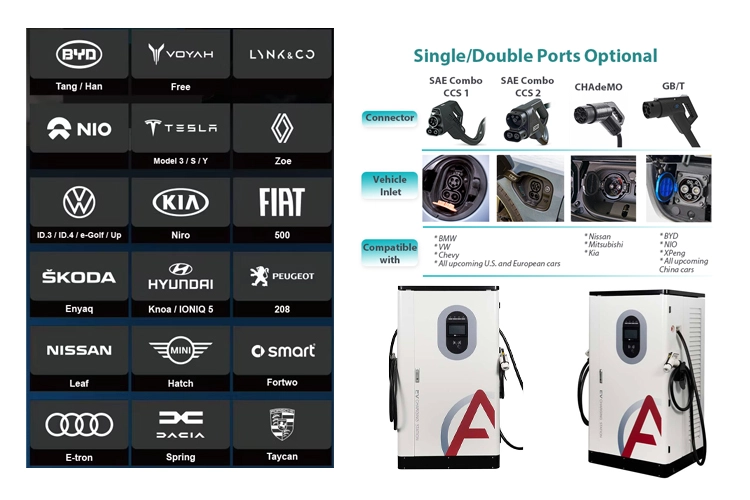
EV Charger Level 3 – CCS1 CCS2 GBT CHAdeMO (Optional)
Die EV Charger Level 3 supports CCS1, CCS2, GBT, and CHAdeMO charging connectors, allowing dual-gun customization for flexible use. It is compatible with 99% of electric vehicle models on the market, offering fast and reliable DC charging for both commercial and public applications. Designed for efficiency and adaptability, this DC fast EV charging station is ideal for EV fleets, public charging networks, and OEM/ODM customization projects.
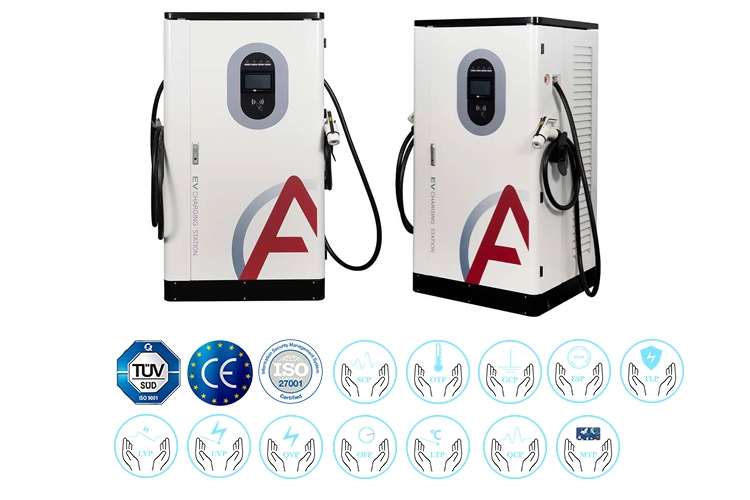
Level 3 EV Charging Station – TUV CE CB Certification
Level 3 EV-Ladestation is certified by TUV, CE, and CB, ensuring global compliance across Europe, Asia, and Russia. Built with 12 advanced safety protection systems, this DC fast charger guarantees the safety of users, vehicles, and charging facilities. With superior quality, intelligent design, and reliable performance, it provides a safe and efficient charging experience for all types of electric vehicles.
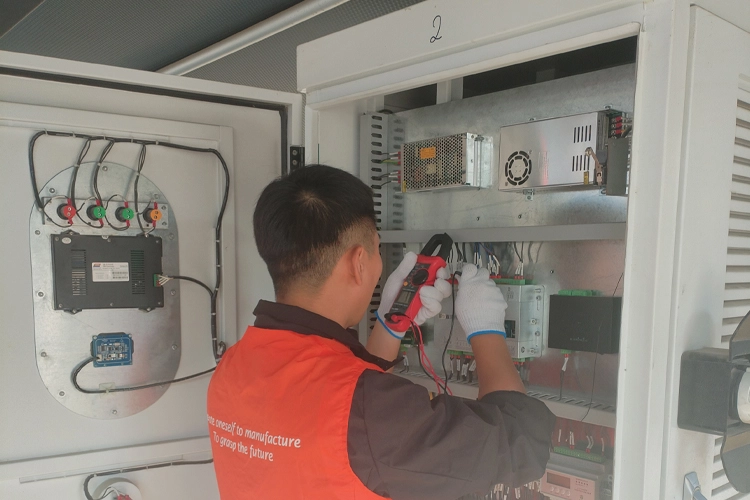
EV Charging Stations Level 3 – Easy Maintenance
Die EV charging stations level 3 are designed for simple and efficient maintenance, requiring only one engineer to complete service tasks. Featuring plug-in modular components, replacement can be done in as little as five minutes, ensuring minimal downtime.
With an IP54-rated enclosure, the charger is waterproof and dustproof, allowing easy cleaning with a simple wipe. The intelligent motherboard chip continuously monitors the operating environment, transmitting real-time charging data to the remote management platform for convenient tracking and control.
This thoughtful design ensures long-term reliability, reduced maintenance costs, and effortless operation—making level 3 EV chargers an ideal solution for commercial and high-demand charging networks.
Level 3 EV Charging – Full Process Service
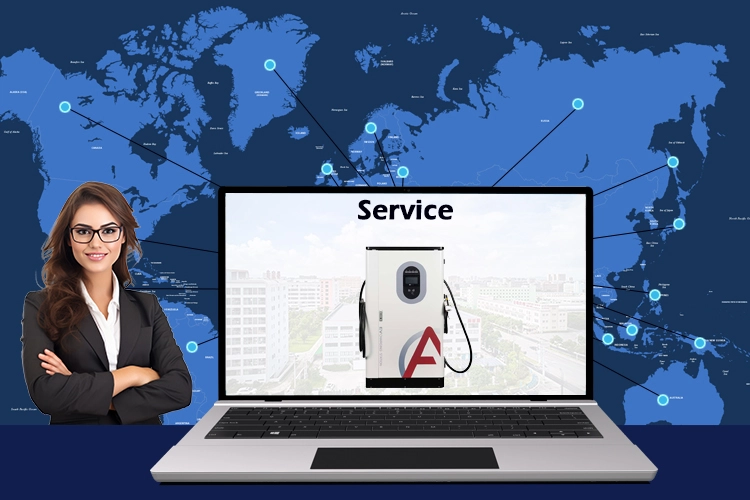
Die Level 3 EV charging system offers complete lifecycle support for customers worldwide. From purchase to long-term operation, we ensure smooth service and reliable performance. Our global network provides 24/7 after-sales support, with paid service options available beyond the warranty period.
Customers can enjoy remote software testing before purchase, helping evaluate compatibility and performance. We also offer remote or on-site installation guidance, product replacement and upgrade services, und online remote firmware updates.
This full-service system guarantees that every Level 3 EV charger operates efficiently, delivering convenience, reliability, and continuous technical support wherever you are.
Custom Level 3 EV Charger for Sale
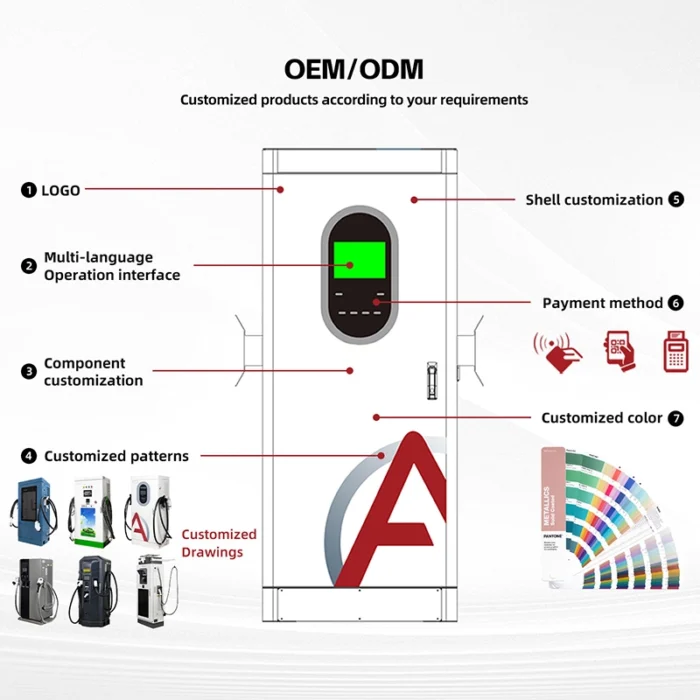
Our factory offers fully customizable Level 3 EV chargers, tailored to meet your brand and operational needs. We support customization of logo, shell design, multi-language operation interface, payment methods, internal components, colors, patterns, and shapes, giving your product a unique identity and professional appearance.
Whether you are building a new EV charging station network or expanding your current infrastructure, we provide reliable solutions and long-term cooperation. With flexible customization options and strong technical support, our custom Level 3 EV charger is your best partner for developing a high-quality, efficient, and user-friendly charging network.



bought a Level 3 EV charger for my business near Paris, and it’s amazing. The design feels premium, charging is super fast, and it adds real value to my parking area. French engineering standards matter to me, and this charger meets them perfectly—elegant, efficient, reliable.
We ordered several Level 3 EV-Ladestationen for our company fleet in Almaty. Installation was smooth, even in cold weather. The chargers deliver stable, fast power every time. Great support from the supplier—reliable technology that works perfectly across Kazakhstan’s roads.
As a German EV owner, I value quality and precision. This EV charger Level 3 truly delivers both. Solid build, consistent fast charging, and flawless safety features. It integrates perfectly with my EV system—engineering excellence at its best. Sehr gut product!
I installed a Level 3 EV-Ladestation for our transport company in Ho Chi Minh City. It charges quickly and saves so much time for our drivers. Easy setup, energy-efficient, and great service. Perfect choice for Vietnam’s growing electric vehicle market!
We recently upgraded to Level 3 EV charging for our delivery fleet in Jakarta. It’s fast, stable, and helps us save time every day. The charger performs well even in hot weather. Great investment for any business in Indonesia looking to modernize its EV operations.
I purchased an EV Level 3 charger for my garage in Moscow, and it’s outstanding. Works perfectly in winter, with strong build quality and excellent power output. Fast, safe, and durable—ideal for Russian conditions. Truly reliable technology for modern EV users.
What is a Level 3 EV Charger?
A Level 3 EV charger, also often called a DC fast charger (DCFC), is the highest-speed public charging solution currently widely available for electric vehicles.
Key features:
It uses direct current (DC) to the vehicle battery, bypassing the onboard AC-to-DC converter.
Typical power outputs range from 50 kW up to 350 kW or more for many models.
It’s designed for fast turnaround: a typical EV may reach ~80% charge in about 15-60 minutes, depending on vehicle and charger.
It is primarily used in public locations, highways, fleet depots — not for typical residential use.
So, when you see the phrase “Level 3 EV charger”, it denotes a high-power public charging station for fast EV recharging, not a standard home unit.
How does a Level 3 EV Charger work?
Understanding the operation helps clarify why it is faster and more complex than Level 1 or Level 2.
The charger is connected to a high-voltage AC grid supply (often 480 V three-phase or higher). Inside the unit, there is conversion electronics (rectifier/inverter) that turns AC into high-voltage DC for the vehicle.
The charger communicates with the vehicle’s Battery Management System (BMS) to determine allowable current/voltage, temperature, and state of charge (SOC). As the battery approaches full, charging current is reduced (“tapering”).
The charger supports high currents (hundreds of amps) and high voltages (some systems up to ~1000 V DC) to deliver fast energy transfer.
Because of the power involved, associated infrastructure is heavier: thicker cables (often liquid-cooled), robust grounding, stringent safety systems, and often integration with backend networks for billing and monitoring.
Thus, the “fast” in fast charging comes from delivering more power in less time, enabled by charging architecture outside the vehicle.
What are the main benefits and limitations of Level 3 EV Charging?
Speed: Allows EVs to charge much faster than Level 2 — useful for long trips or commercial fleets.
Reduced range anxiety: Since charging time can be comparable to a coffee break, the vehicle can be back on the road quicker.
Commercial & public appeal: Suited for highway rest-areas, gas-station conversions, fleet depots, urban fast-charging hubs.
Supports heavier duty vehicles: Some trucks or commercial electric vehicles are designed with higher voltage inlets to leverage DC fast charging.
High installation & infrastructure cost: Requires substantial grid connection, maybe transformer upgrades, heavy-duty cables and cooling systems.
Not all EVs support the highest speeds: Some cars can only accept limited DC power, making them less ideal for full benefit.
Battery impact: Frequent high-power DC charging may affect battery longevity if not managed well.
Usage scenario: For many daily drivers who charge overnight at home, Level 2 may suffice — Level 3 is more for “on-the-go” or commercial use.
Comparison: Level 1 vs Level 2 vs Level 3 EV Chargers
| Merkmal | Stufe 1 | Level 2 | Level 3 (DC Fast) |
|---|---|---|---|
| Typische Leistungsabgabe | ~1 kW | ~7-22 kW | ~50-350 kW (or more) |
| Charging Time | Many hours (overnight) | Few hours | 15-60 minutes for ~80% |
| Anwendungsfall | Home, overnight charging | Home, workplace, public parking | Highway stops, commercial depots |
| Infrastructure Complexity | Niedrig | Moderate | High: heavy grid connection, safety, cooling |
| Cost per unit / installation | Niedrig | Moderate | High |
Schlussfolgerung: If your daily driving allows overnight home charging, Level 2 is likely sufficient. But for fast turnaround, long trips, fleet operations or public infrastructure, a Level 3 system is the appropriate choice.
Where are Level 3 EV Chargers used and when should you install one?
Highway rest-areas or travel corridors: To enable long-distance EV travel, drivers need a quick top-up.
Fleet charging depots: Logistics vans, delivery vehicles, ride-share fleets need minimal downtime.
Commercial properties: Large shopping centers, transit stations, hotel parking, where fast replenishment attracts customers.
Public charging hubs: Urban centers where people may only park for short durations.
If you expect many users needing <1 hour charging.
If your site has robust power infrastructure (≥480 V, three-phase, high current).
If you are investing in charging as part of an EV-service business (pay-per-use, revenue model).
If you want future-proofing for high-voltage EVs (800 V+).
For typical residential properties, installing Level 3 is usually not cost-effective due to infrastructure demands.
You’ll need to check utility tariffs, permit requirements, cooling & safety systems.
Monitor usage patterns: if most users stay >2 hours, maybe Level 2 is sufficient.
How much does a Level 3 EV Charger cost and what factors affect pricing?
Die cost of a Level 3 EV charger depends on power output, brand, and installation requirements.
Here’s a general overview:
| Leistungsbereich | Example Model | Approx. Price (USD) | Ideale Verwendung |
|---|---|---|---|
| 50 kW | Delta DC-Wallbox | $18,000–$25,000 | Small businesses |
| 120 kW | ABB Terra 124 | $28,000–$45,000 | Public stations |
| 180–350 kW | Tritium RTM or StarCharge DC350 | $50,000–$80,000 | Highway & fleets |
Additional costs include:
Installation & electrical upgrade: $5,000–$20,000
Network management software (OCPP cloud)
Permitting and utility coordination
Despite the high upfront cost, Level 3 EV chargers provide long-term ROI through public charging fees, fleet contracts, and sustainability incentives.
Mehr entdecken
Produkte für Ladestationen für Elektrofahrzeuge
Willkommen bei Communicate