

1、Introduction to EV Charging Stations
Electric vehicle (EV) charging stations play a crucial role in supporting the growing prevalence of electric transportation. As more consumers transition to electric vehicles, understanding the infrastructure that supports this shift is essential.
EV charging stations are designed to replenish the battery capacity of electric vehicles, enabling convenient and efficient travel. With the expansion of this technology, various types of charging stations are now available, each catering to distinct user needs and environments.
1.1 Charging Stations Generally Fall Into Three Categories
Level 1,Level 2,DC Fast Charging.
1.1.1 Level 1 chargers utilize a standard household outlet and provide a slow charging rate, making them suitable for home use.
1.1.2 Level 2 chargers, often found in residential and commercial settings, require specialized equipment, allowing for a significantly faster charge than Level 1.
1.1.3 DC Fast Charging stations are designed for rapid recharging, typically located in commercial areas, enabling EV users to recharge their vehicles quickly during long trips.
1.2 The distinctions between home and commercial charging stations are important to consider.
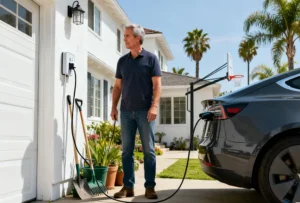
1.2.1 Home charging can be more convenient, as it allows users to charge overnight and start each day with a full battery.
1.2.2 In contrast, commercial charging stations often cater to drivers in need of quick charging during their day-to-day activities, further promoting the practicality of electric vehicle use.
1.2.3 As the EV market continues to evolve, both home and commercial charging options will be essential in creating a comprehensive and accessible charging ecosystem for electric vehicle owners.
2、Understanding Electric Vehicle Charging Levels
| Charging Level | Voltage Range | Current Range | Leistungsbereich | Typical Charging Time | Target Users |
|---|---|---|---|---|---|
| Level 1 (AC) | 120–230V | 8–20A | 1.4–3.5 kW | 8–12 hrs | Home users |
| Level 2 (AC) | 208–400V | 16–80A | 3.3–22 kW | 3–8 hrs | Residential / Commercial |
| DC Fast (Level 3) | 200–1000V | 100–600A+ | 30–600 kW+ | 20–40 mins | Public / Fleet / Highway |
Electric vehicle (EV) charging stations are categorized into different levels based on their charging speed and technology.
The three primary levels of EV charging are Level 1, Level 2, and DC Fast Charging, each serving distinct purposes and user needs.
2.1 Level 1 Charging
Level 1 charging is the most basic and involves connecting the vehicle to a standard household outlet, typically 120 volts. This method is widely available, as it requires no specialized equipment. However, it is the slowest charging option, adding around 2 to 5 miles of range per hour. Level 1 is ideal for overnight charging at home, particularly for those with shorter daily commutes or who do not require a rapid recharge.
2.2 Level 2 Charging
Level 2 charging, on the other hand, operates on a 240-volt system, similar to what’s used for large appliances. This level provides a considerably faster charging experience, generally delivering 10 to 60 miles of range per hour. Level 2 charging stations are often found in public locations such as parking lots, shopping centers, and workplaces. They are suitable for regular users who need a mid-range solution, enabling EV owners to recharge their vehicles during work hours or while shopping.
2.3 DC Fast Charging
DC Fast Charging offers the quickest charging option, capable of replenishing up to 80% of battery capacity in about 20 to 30 minutes, depending on the vehicle. This technology utilizes direct current instead of alternating current, resulting in faster charging speeds. Designed primarily for long-distance travel, DC Fast Charging stations can be found along highways and in major transit areas, catering to EV drivers who require rapid charging during their journeys.
Understanding these charging levels will help EV owners select the most appropriate charging station based on their needs and driving habits, contributing to a more efficient and satisfying electric vehicle experience.
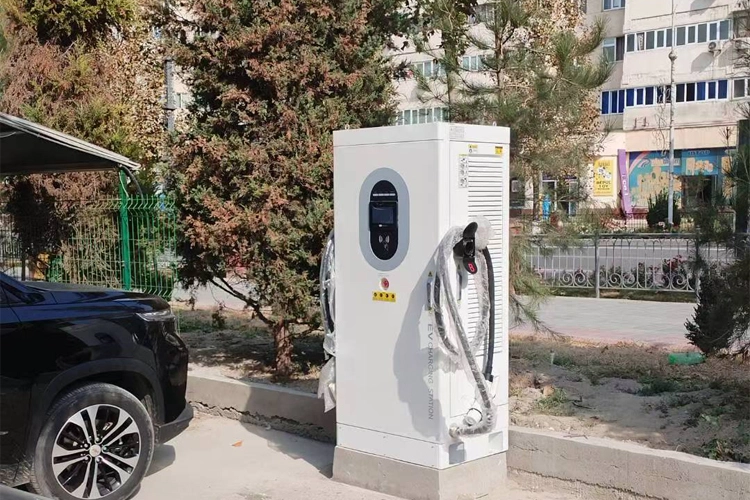
3、Using a Home Charging Station: Step-by-Step Guide
Utilizing a home charging station for electric vehicles (EVs) presents numerous advantages, from convenience to cost savings.
3.1 Step 1:Installing A Charging Station
The first step in this process involves the installation of the charging station. Homeowners should ensure that the charging equipment they choose is compatible with their specific EV model. Most electric cars can work with Level 1 chargers, utilizing a standard household outlet, but Level 2 chargers offer faster charging times. It is advisable to consult with a licensed electrician who can assess the electrical capacity of your home and recommend the appropriate charger based on your vehicle’s requirements.
3.2 Step 2:Read The Tutorial
Once the installation is complete, familiarize yourself with the features of your home charging station.
Many devices come with smart technology that allows users to monitor the charging process via mobile applications. These applications often provide real-time data on charging times, energy consumption, and cost, which can help EV owners manage their energy use efficiently.
Charging your vehicle at home is typically more economical, especially when charging overnight during off-peak hours, which can yield significant savings on utility bills.
3.3 Step 3:Understand Common Problems That May Arise
While charging at home is generally straightforward, it is essential to be aware of common issues that may arise.
For instance, malfunctioning electric outlets, tripped circuit breakers, or problems with the charging cable can hinder the charging process. Should any of these issues occur, it is recommended to check the connections, ensure that the station is powered, and consult your electric vehicle’s manual for troubleshooting tips.
If problems persist, contact a certified technician for assistance.
In Conclusion
having a home charging station greatly enhances the experience of owning an electric vehicle, providing not only convenience but also empowering EV owners to take control of their energy usage.
By following the proper installation procedures and understanding the functionality of the charging equipment, users can simplify the charging process and maximize the benefits of electric vehicle ownership.

4、Using a Commercial Charging Station: Step-by-Step Guide
Utilizing a commercial charging station can initially seem daunting for new electric vehicle (EV) owners. However, by following a straightforward process, users can effectively navigate the charging experience in public settings.
4.1 Step 1:Find a Suitable Charging Station
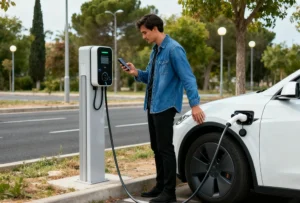
Locate a suitable commercial charging station. Several mobile applications and online maps can help locate these stations efficiently. Many apps provide real-time information on the availability of chargers, as well as their charging speed and pricing.
This information allows users to choose a station that fits their specific needs, whether they require a fast charger or a more economical option.
4.2 Step 2:Determine the Type of Connector
Most commercial stations are equipped with a variety of connectors to accommodate different EV models. Users should ensure they have the correct connector type, which is often specified in their vehicle’s manual.
CCS1,CCS2,GBT,CHAdeMO,Tesla.
4.3 Step 3:Connected Elelctric Vehicle Car
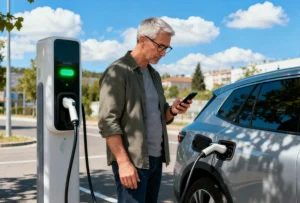
Once the appropriate equipment has been identified, the next phase involves connecting the vehicle to the charging unit. This is typically done by plugging one end of the charging cable into the station and the other into the vehicle’s charging port. It is essential to establish a secure connection to prevent any interruptions during the charging process.
4.4 Step 4:Start the Charging Session Effortlessly
Experience a seamless charging process designed for every user scenario:
4.4.1 Via Mobile App
Launch your provider’s app, scan the QR code on the charger, and tap “Start Charging.” The system will automatically authenticate your account and begin the session instantly.
4.4.2 Via RFID Card
Simply tap your registered RFID or membership card on the reader to authorize and start charging — ideal for regular users and fleet operators.
4.4.3 Via Credit or Contactless Card
Many commercial chargers feature built-in payment terminals. Just tap your credit or contactless card to activate charging, no mobile app required.
4.4.4 Plug & Charge Technology
With the latest Plug & Charge (ISO 15118) protocol, compatible EVs can start charging automatically once connected — no app, card, or extra step needed.
Payment methods for commercial charging stations vary, so users must take note of the payment options available. Many stations accept credit cards, while others may require a mobile app or RFID card specific to the charging network. It is advisable to register for an account with major charging networks, as this can streamline the payment process during future visits.
4.5 Step 5:Monitor and Complete Your Charging Session
Stay in control of every charging session with real-time monitoring and flexible completion options:
Real-Time Status Updates
Track charging progress directly through the mobile app or station display. View metrics like current power, voltage, session duration, and estimated completion time.
Automatic Billing & Payment
For prepaid or credit-based systems, payments are processed automatically. Any unused pre-authorized amount is instantly refunded, ensuring transparent billing for both operators and users.
Session Alerts & Notifications
Receive notifications via app or SMS when charging reaches a predefined level, or if any issue asise during the session.
Safe Session Termination
End the session safely by unplugging the vehicle or through the app. The system logs the session details and updates usage reports for fleet management or commercial operators.
4.6 Step 6:Restore Charging Connection Device
Once charging is complete, disconnect the cable, return it to its place, and ensure the charging port is securely closed. Following this guide can help enhance the experience of using commercial charging stations and alleviate potential concerns associated with public EV charging.
5、Key Differences Between Home and Commercial Charging Stations
As electric vehicles (EVs) become increasingly popular, understanding the distinctions between home and commercial charging stations is essential for potential users.
5.1.One Of The Principal Differences Lies In The Installation Requirements
5.1.1 Home charging stations are often more straightforward to install since they can typically be connected to a standard electrical outlet or a dedicated circuit in a garage or driveway.
5.1.2 In contrast, commercial charging stations usually require more complex installation processes that may include upgrading existing electrical systems to handle higher power outputs, which can lead to longer wait times and increased expenses.
5.2 Cost Is Another Significant Factor Separating Home Charging Stations From Their Commercial Counterparts
5.2.1 While the initial investment for a home EV charger can range from a few hundred to several thousand dollars, depending on the type and installation complexities, commercial charging stations can incur substantially higher costs.
5.2.3 Businesses often must consider not only the equipment itself but also installation, maintenance, and operational costs that can aggregate significantly over time. However, while the upfront costs may be higher for commercial installations, these can often be offset by the ability to serve multiple customers and the potential for revenue generation.
5.3 Charging Speed Is Also A Critical Point Of Differentiation
5.3.1 Home charging typically provides Level 1 (120V) or Level 2 (240V) charging options, which might take several hours for a full charge.
5.3.2 On the other hand, commercial charging stations can offer faster options, such as DC fast charging, allowing drivers to recharge their vehicles in a matter of minutes. This enhanced speed is pivotal for minimizing downtime for users and can greatly benefit businesses that want to attract customers to their locations.
5.4 Accessibility And Payment Processes Further Define The Contrast Between Home And Commercial Charging Stations
Home chargers are unique to the individual owner, whereas commercial stations need to accommodate various users, often implementing membership or pay-per-use systems. This accessibility consideration impacts the convenience factor for EV drivers who might be unfamiliar with a specific station’s payment methods. Understanding these differences can assist EV owners in making informed decisions about their charging options.
6、Common Misconceptions about EV Charging Stations
As electric vehicles (EVs) become increasingly mainstream, various misconceptions related to EV charging stations continue to circulate. Addressing these myths is crucial for the wider acceptance and adoption of electric vehicles.
6.1 One Of The Most Prevalent Concerns Is Regarding Battery Life
Many potential EV owners worry that frequent charging can damage or diminish the battery’s lifespan. However, most modern EVs are equipped with sophisticated battery management systems that regulate charging practices, optimizing performance and longevity.
In fact, manufacturers often provide warranties that cover the battery for a significant duration, signalling confidence in their durability.
6.2 Another Common Myth Pertains To The Amount Of Time Required To Charge An Electric Vehicle
Some individuals assume that charging times are excessively long when, in truth, charging options vary widely. Home charging systems, often powered by Level 2 chargers, can refuel a vehicle overnight, while public commercial stations, especially fast chargers, can achieve significant battery gains in as little as 30 minutes.
It is also essential to consider the daily driving habits of the user; most EV drivers typically charge while parked at home, allowing for a convenient and efficient charging cycle.
6.3 Concerns About The Safety Of Charging Stations Also Contribute To A General Wariness Of Electric Vehicles
Some individuals fear electric shock or fire hazards associated with charging infrastructure. Contrary to these fears, EV charging stations are designed with multiple safety protocols and are subject to rigorous testing and compliance standards. Additionally, public charging stations undergo regular maintenance to ensure proper functioning. Understanding these facts can help dispel the myths surrounding EV charging, fostering a more informed perspective on its technology and benefits.
7、Safety Tips When Using EV Charging Stations
The increasing popularity of electric vehicles (EVs) has led to a corresponding rise in the use of EV charging stations, both residential and commercial. Ensuring safety during charging sessions is paramount to prevent accidents and ensure optimal functioning of the equipment. Here are some essential safety tips for users of EV charging stations.
7.1 First And Foremost, Tt Is Critical To Inspect The Charging Equipment Before Use
Check for any visible damages such as frayed wires, tarnished connectors, or evidence of wear and tear on the charging cable. If any issues are detected, do not use that charger. Instead, seek out another station or report the malfunction to a relevant authority to ensure it is repaired. Regular maintenance of charging stations, especially for commercial setups, can significantly reduce safety risks.
7.2 When Connecting Your Ev To A Charger, Make Sure The Vehicle Is Turned Off
This practice can help prevent short circuits and electrical hazards. In addition, always follow the manufacturer’s instructions for your particular vehicle model to ensure compatibility and safety during the charging process.
7.3 Home Use Professional Circuits
For residential charging, it is advisable to use a dedicated circuit, as sharing the circuit with other high-power appliances may overload the electrical system, generating heat and posing a fire risk. Furthermore, utilizing surge protectors can provide an added layer of safety against electrical surges that may harm both the vehicle and charging equipment.
7.4 At Commercial Charging Stations, Always Observe Any Posted Safety Guidelines And Instructions
If excessive crowds are present, maintain a safe distance while waiting. Additionally, never attempt to disassemble or repair any part of the charging unit yourself; instead, report issues to qualified personnel. Ultimately, adhering to these safety practices can significantly enhance your EV charging experience while minimizing risks associated with electrical hazards.
8、Future of EV Charging Infrastructure
8.1 Electric Vehicle Charging Stations Are Developing Rapidly
The electric vehicle (EV) charging infrastructure is undergoing significant transformation, shaped by a confluence of technological advancements, increasing demand, and supportive governmental policies. As the adoption of electric vehicles continues to rise, it becomes imperative to understand the key trends that define the future of EV charging stations, both at home and in commercial settings.
One notable trend is the rapid development of advanced charging technologies. Innovations such as ultra-fast chargers are dramatically reducing the time required to charge EVs, making them more convenient for users. These fast charging networks are expected to proliferate across urban areas and along major highways, ensuring that electric vehicle owners can recharge their cars quickly and efficiently. Additionally, wireless charging technology is being explored, offering a seamless charging experience for users while enhancing the potential for optimizing charging times.
8.2 Being Widely Popularized
Moreover, the expansion of public and commercial charging networks is essential for the widespread adoption of electric mobility. Governments worldwide are rolling out initiatives aimed at boosting EV infrastructure. This includes funding for the installation of charging stations in public places, incentives for businesses to providing charging solutions, and supportive regulations to encourage the deployment of EV chargers in new building developments. Such initiatives will not only enhance accessibility for electric vehicle users but also alleviate range anxiety, which remains a barrier to widespread EV adoption.
8.3 Intelligent
Furthermore, there is a growing emphasis on integrating smart technology within charging stations. Features such as real-time data monitoring, mobile application integration, and user-friendly payment systems are predicted to enhance the customer experience. As EV charging infrastructure continues to evolve, it is clear that an ecosystem focusing on user-centric solutions is becoming essential.
In the coming years, stakeholders in the electric mobility sector can anticipate a more robust and interconnected network of EV charging stations, as technology, policy, and consumer demand converge to pave the way for sustainable transportation solutions.
Conclusion: Embracing the Electric Revolution
As we stand at the forefront of an electric revolution, understanding the nuances of utilizing electric vehicle (EV) charging stations is paramount. The transition from traditional gasoline-powered vehicles to electric models not only represents a shift in the automotive industry but also signifies a broader commitment to sustainable practices. Home and commercial charging options each offer distinct advantages that cater to varying needs and lifestyles. Home charging units present convenience and accessibility, allowing owners to charge their vehicles overnight. Conversely, commercial charging stations enhance flexibility for those frequently on the road, ensuring that electric vehicle users have access to power wherever their travels may take them.
By recognizing how to effectively engage with these charging infrastructures, individuals can make informed decisions that promote the use of electric vehicles, further encouraging the development of EV-friendly environments. The benefits of adopting electric vehicles extend beyond financial savings and operational efficiency; they also contribute significantly to reducing carbon emissions and fostering a cleaner, healthier planet. In this way, embracing electric mobility aligns with the emerging global narrative of environmental responsibility.
As readers consider their own involvement in this electric vehicle paradigm shift, there lies an opportunity to not only implement changes in personal transport habits but also to advocate for broader adoption within local communities. Joining the growing network of electric vehicle users fosters a culture of support and education that is crucial to spreading awareness about the benefits of moving away from fossil fuels. Ultimately, by opting for electric vehicles and actively engaging with EV charging solutions, individuals can play a vital role in a more sustainable future, paving the way for the subsequent generations looking to thrive in an environmentally conscious world.